

Stuttgart is where the car was invented. Walk into the Mercedes-Benz Museum and the spiral building carries you down through 140 years of it, from Karl Benz's first Patent-Motorwagen to Formula 1 machines. Across town, the Porsche Museum lines up its sports cars under spotlights, vintage prototypes through to the latest models. But the city is more than its factories. There's the Königstrasse pedestrian zone for shopping, Maultaschen and Spätzle on every traditional menu, a 217-metre TV tower, and wine terraces climbing the hills right at the edge of downtown — this is one of Germany's wine regions.
It isn't Berlin or Munich, and it doesn't try to be. Stuttgart is a working city that happens to hold two of the best automotive museums in the world. It is prosperous and efficient, one of Germany's wealthiest cities, but understated with it, more interested in engineering and Swabian craftsmanship than in showing off. It is also greener than most visitors expect, with parks and vineyards inside the city limits and Schlossplatz, the palace square, serving as its unofficial living room.
I've spent time here and the city won me over. Give it two or three days and you come away with a real feel for German engineering culture, a taste for hearty Swabian cooking, and a lot of respect for a place that lets its work speak for itself.
Here's everything you need to know.
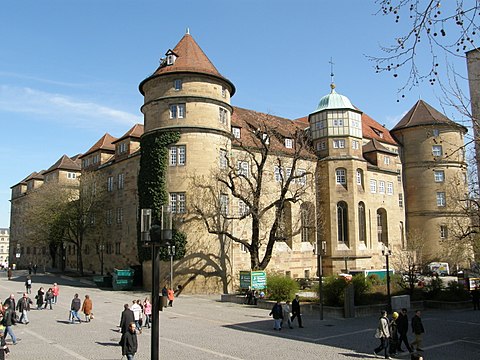
The Stuttgart Moments That'll Stay With You
The Mercedes-Benz Museum The route starts on the seventh floor and spirals down through automotive history — Karl Benz's 1886 Motorwagen, pre-war luxury cars, wartime vehicles, Formula 1 machines, the 300 SL Gullwing with its upward-opening doors. Three hours disappear. It reads less like a museum than the story of how the world learned to drive, told in the place where it began.
The Porsche Museum A low, sharp-edged glass building in Zuffenhausen holds about eighty legendary Porsches under spotlights — early prototypes, race winners, the whole 911 lineage, concept cars. A free driving simulator sits off to one side, usually worth the short wait.
Maultaschen at a Weinstube Swabian "pockets" — pasta parcels of meat and spinach, served in broth or pan-fried in butter — with a glass of wine from the hills just outside town. Hearty, honest, and about as Swabian as a meal gets.
Schlossplatz on a Saturday An outdoor café table in the palace square, the Neues Schloss behind you, people drifting between the Königstrasse shops and the lawns. This is Stuttgart at ease: comfortable and well-off without making a show of it.
The TV Tower at sunset The world's first television tower, built in 1956, with an observation deck 150 metres up. From there the city's bowl-shaped geography makes sense at a glance — red roofs, wooded hills, vineyards, and the Swabian Alps on a clear day.
Automotive Museums – The Stuttgart Experience
Mercedes-Benz Museum
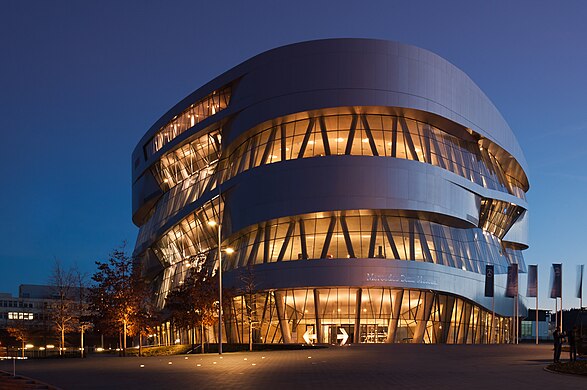
The world's most important automotive museum. Where it all began. Karl Benz invented the car here in 1886.
The building: Striking modern architecture (looks like twisted metal), 16,500 square meters, spiral design takes you down through time.
What you'll see:
- 160+ vehicles across 12 rooms
- Karl Benz Patent-Motorwagen (1886) – The first car ever
- 1920s-1930s luxury models – When Mercedes defined elegance
- Wartime vehicles – Honest look at company's WWII history
- 300 SL Gullwing – Iconic 1950s sports car with doors that open upward
- Formula 1 cars – Racing history including Lewis Hamilton's championship cars
- Future concepts – Electric and autonomous vehicles
The experience: You start on the 7th floor, take elevator up. Then spiral down through automotive history chronologically. The "Legend" rooms tell Mercedes-Benz story decade by decade. "Collection" rooms group vehicles by theme (racing, celebrities, commercial vehicles).
Time needed: 2-3 hours minimum (could easily spend 5 hours)
Cost: €10 (€5 students)
Hours: Tuesday-Sunday 9am-6pm, closed Mondays
Location: Bad Cannstatt neighborhood, 30 minutes from center by U-Bahn (U1 to Gottlieb-Daimler-Stadion)
Pro tips:
Book online – Skip ticket line
Go when it opens (9am) – Fewer crowds
Free audio guide – Essential (8 languages)
Photos allowed – Bring camera
Restaurant on-site – German food, schnitzel €12-15
Worth it? Absolutely. Even if you're not a "car person," the history, design, and engineering are fascinating. This is where modern transportation began.
Porsche Museum
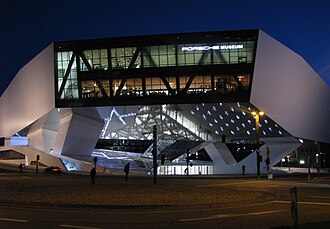
Ultra-modern building (2009) in Zuffenhausen, right next to Porsche headquarters. Eighty vehicles on 5,600 square meters.
What makes it special:
- Complete Porsche evolution – From early prototypes to newest models
- Racing legends – Le Mans winners, Formula E, rally cars
- 911 evolution – See how this iconic model developed over 60+ years
- Concept cars – Future designs, one-offs
- Free simulator – Race virtual Porsche (worth the wait!)
- Interactive displays – Touch screens, design details
Time needed: 1.5-2 hours
Cost: €12 (€6 students)
Hours: Tuesday-Sunday 9am-6pm, closed Mondays
Location: Zuffenhausen (S-Bahn S6 to Neuwirtshaus/Porscheplatz)
Pro tips:
Try the simulator – Free, but expect 20-30 min wait
Café on-site – Christophorus restaurant (expensive but good)
Gift shop impressive – Porsche merch, models, books
Same day both museums? – Possible but exhausting. Better separate days.
Mercedes vs Porsche? Mercedes is larger, more comprehensive, tells automotive history. Porsche is sleeker, more focused, pure sports car passion. If choosing one: Mercedes for history buffs, Porsche for car enthusiasts. Ideally, do both.
Factory Tours
Mercedes-Benz Factory Tour: See production lines where cars are built (book months ahead, tours limited)
Porsche Factory Tour: Guided tour of 911 production (highly recommended, book online early, €10)
Swabian Food – Hearty & Honest
Maultaschen
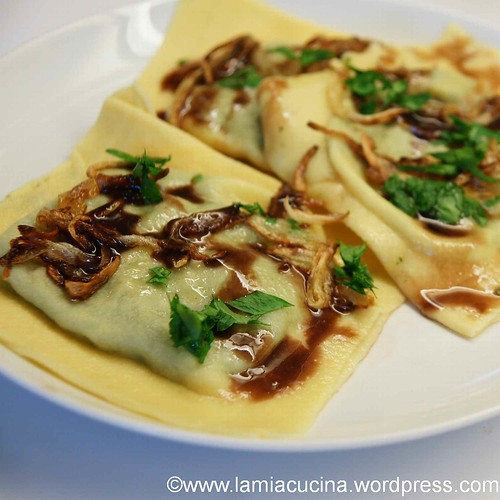
Swabian specialty. Large pasta pockets filled with meat, spinach, onions. Like giant ravioli or German wontons.
Served:
- In broth (Maultaschen in der Brühe)
- Pan-fried (Geschmelzte Maultaschen)
- Sliced and fried (Maultaschensuppe)
Where: Any traditional Swabian restaurant
Cost: €10-14
Taste: Hearty, savory, comfort food perfection
Spätzle

Swabian egg noodles. Soft, irregular shape, often with cheese (Käsespätzle).
Käsespätzle: Spätzle with cheese and fried onions—Swabian mac and cheese
Cost: €9-13
Swabian Wine
Stuttgart has vineyards within city limits! Hillside terraces produce local wines (mostly white—Riesling, Trollinger rosé).
Where to try: Wine festivals (summer/fall), traditional restaurants, Weinstuben (wine taverns)
Cost: Glass €4-6
Where to Eat:
Weinstube Fröhlich – Traditional, local favorite
Cube Restaurant – Modern, atop Kunstmuseum, city views
Markthalle Stuttgart – Indoor market, international food stalls, perfect for lunch (€6-10)
Shopping Stuttgart
Königstrasse
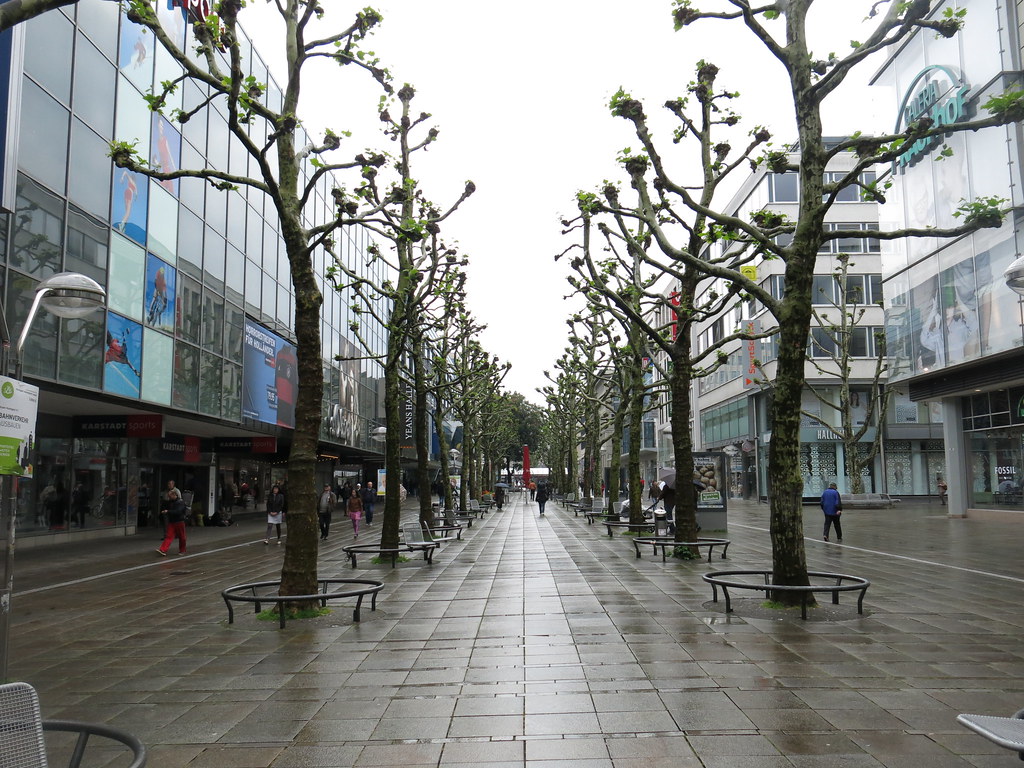
Main pedestrian shopping street. 1.2km of stores connecting Hauptbahnhof to Schlossplatz.
What's here: Zara, H&M, Breuninger (upscale department store), cafés, international brands
Vibe: Busy, efficient, clean German shopping
Milaneo Shopping Center
Large mall near train station. 200+ stores, dining, movie theater.
Breuninger
Stuttgart's iconic department store. Luxury and mid-range brands, food hall, rooftop views.
Beyond Cars – Stuttgart's Other Sides
Schlossplatz (Palace Square)
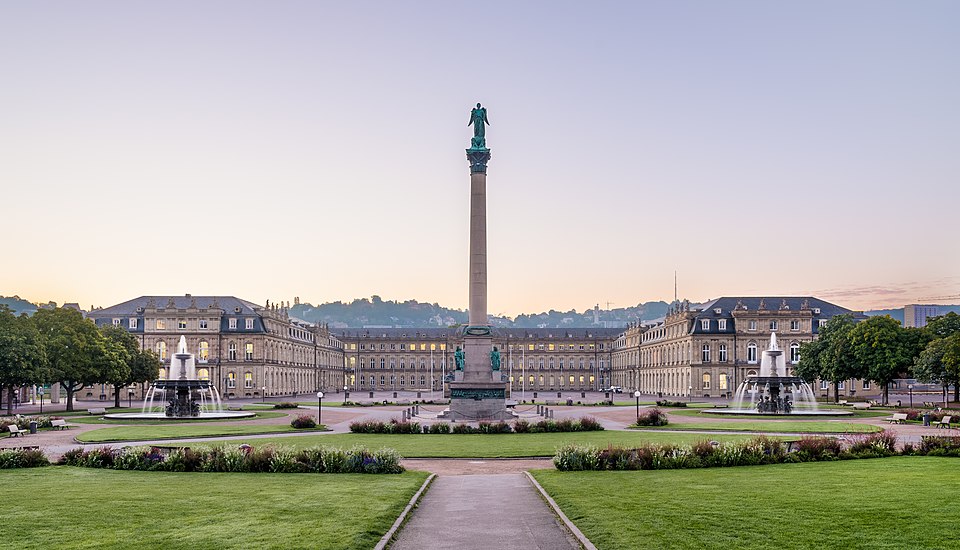
Stuttgart's central square. Neues Schloss (New Palace), fountain, green space, cafés.
Vibe: Relaxed, people lounge on grass, outdoor cafés busy, street performers
Events: Christmas market (December), concerts (summer)
Fernsehturm (TV Tower)
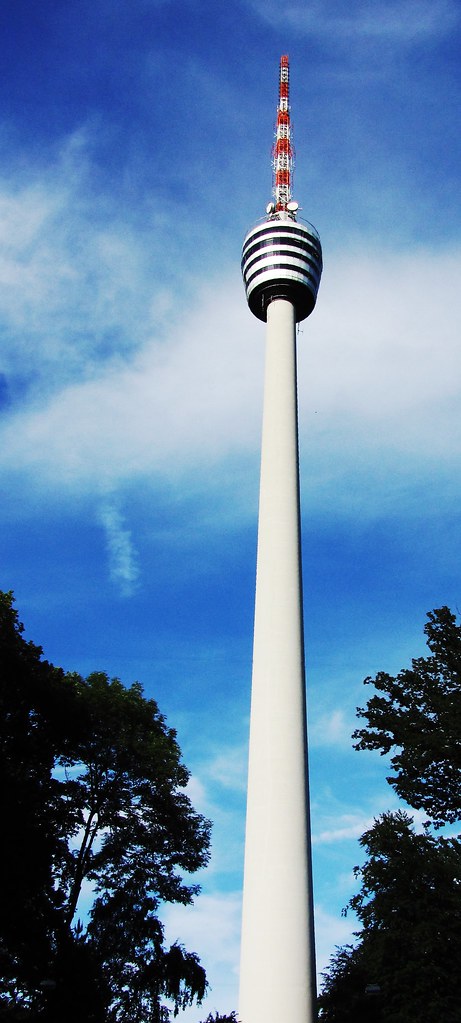
World's first TV tower (1956). 217 meters tall. Observation deck at 150m with rotating restaurant.
Cost: €10
Views: See Stuttgart bowl geography, surrounding hills, Swabian Alps on clear days
Wilhelma Zoo & Botanical Garden
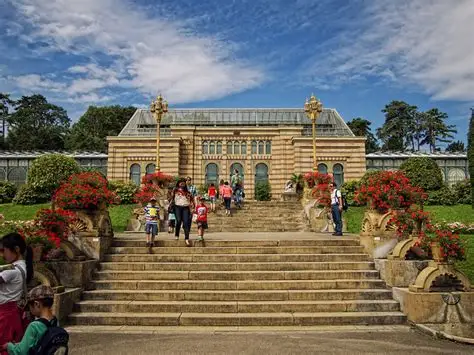
One of Europe's most beautiful zoos. Moorish architecture, botanical gardens, 10,000+ animals.
Cost: €22 | Time: 3-4 hours
Getting Around Stuttgart
U-Bahn (metro) and S-Bahn (commuter rail) cover the city well. Buses and trams supplement.
Tickets:
- Single: €3
- Day pass: €7.40
- Group day: €13.80 (up to 5 people)
- StuttCard: 24/48/72 hours, includes transit + museum discounts (€20/29/39)
Pro tips:
StuttCard if doing museums – Includes free transit
U-Bahn to Mercedes – U1 line to stadium station
S-Bahn to Porsche – S6 to Neuwirtshaus
Central Stuttgart walkable – Schlossplatz to Königstrasse easy
Stuttgart on a Budget
Stuttgart is prosperous (expensive) but manageable.
Budget tips:
Markthalle for lunch – €6-10 vs €15-20 restaurants
Student discounts – Museums half price
Group day pass – Split €13.80 among friends
Skip expensive restaurants – Traditional Weinstuben cheaper
What things cost:
- U-Bahn: €3
- Coffee: €3-4
- Beer: €4-5
- Maultaschen: €10-14
- Mercedes Museum: €10
- Porsche Museum: €12
- TV Tower: €10
Budget: €70-100/day (hostel, Markthalle meals) or €150-250/day (hotel, restaurants, tours)
When to Visit Stuttgart
Spring (April-May) – Perfect weather, wine festivals begin
Summer (June-August) – Warmest, outdoor festivals, vineyard tours, Sommerfest festival (August)
Fall (September-October) – Wine harvest season, comfortable weather
Winter (November-March) – Cold, Christmas market at Schlossplatz, museums open
Recommendation: May-June or September for weather. December for Christmas market.
The Bottom Line on Stuttgart
Stuttgart isn't flashy and doesn't chase tourists. It's a working city — Germany's automotive capital, prosperous, efficient, thoroughly Swabian — and that's exactly what makes it worth the trip. It's the place to see where the car came from, understand why "Made in Germany" carries the weight it does, and get a feel for German engineering culture up close.
My advice? Give it two or three days. Do both car museums, on separate days. Eat Maultaschen and Spätzle, walk Königstrasse, take an hour at Schlossplatz, and if the weather cooperates, go up the TV Tower. Order the local wine while you're at it.
Quick Stuttgart Checklist
Must-Do:
- Mercedes-Benz Museum
- Porsche Museum
- Maultaschen and Spätzle
- Schlossplatz
- Königstrasse shopping
- Try local Swabian wine
- Markthalle lunch
If You Have Time:
- TV Tower
- Wilhelma Zoo
- Porsche factory tour
- State Gallery art museum
- Wine tavern experience
Ready for Stuttgart? Bring appreciation for engineering, appetite for Swabian food, and camera for automotive history. Auf Wiedersehen!