
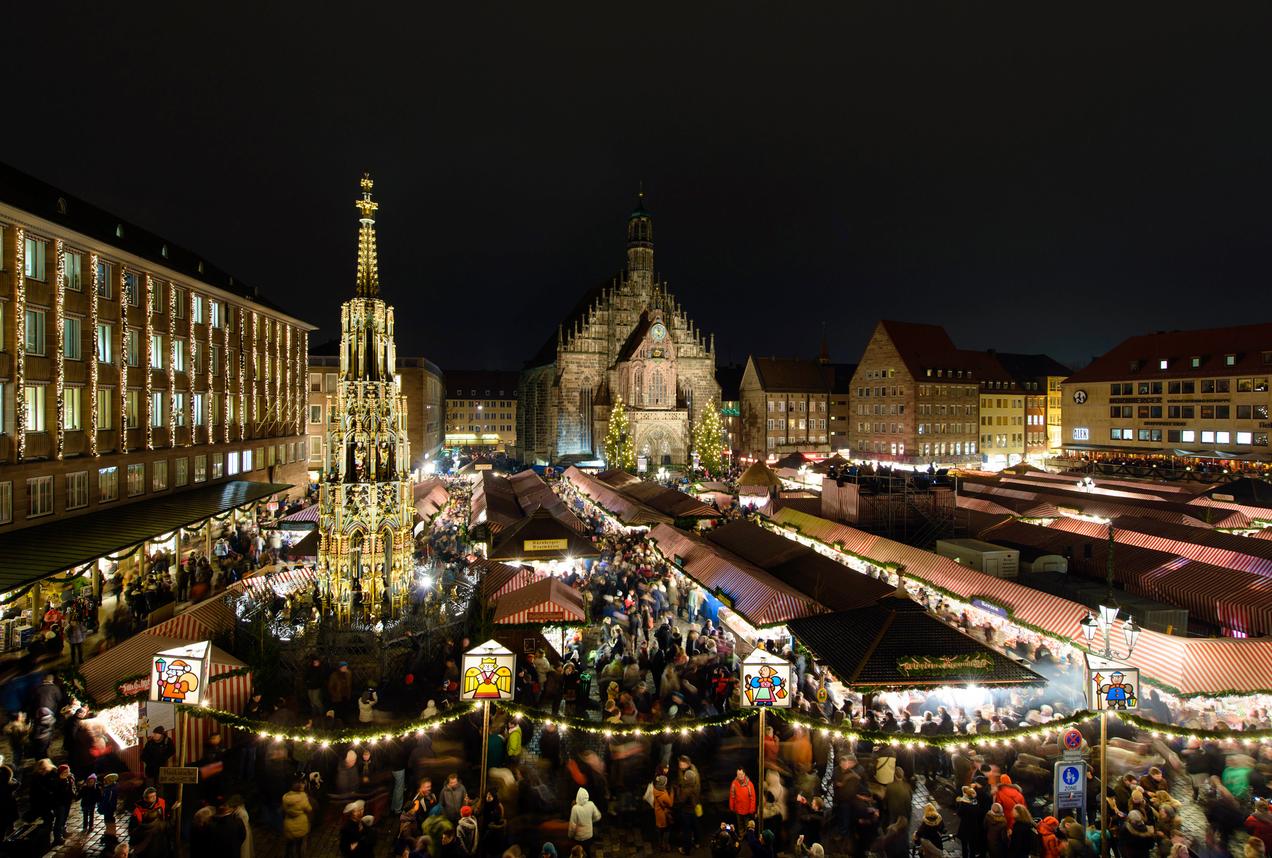
You come up out of the U-Bahn at Hauptmarkt and the first thing you see is the Schöner Brunnen — the "Beautiful Fountain," a gilded Gothic spire rising fourteen meters straight out of the cobblestones, ringed by little gold figures of electors and prophets. If it's December, you can barely see it for the wooden stalls: red-and-white striped awnings, the smell of Glühwein and roasted almonds, and thousands of people doing exactly what you're doing — just standing there, turning in a slow circle, taking it in. This is the Nürnberger Christkindlesmarkt, the market every other German Christmas market gets compared to. You'll eat a Nürnberger Rostbratwurst — thin, short, grilled over beechwood, sold three-to-a-roll — standing up, off a paper plate, because that's how it's done here. You'll walk up through the old town, past half-timbered houses that somehow survived (or were painstakingly rebuilt after) 1945, to the Kaiserburg castle looking down over the red rooftops. This is Nuremberg — the city that's equal parts fairy tale and hard history, and one of the most underrated stops in the whole country.
This is not just a Christmas market with a city attached to it.
Nuremberg is the old town (a walled medieval core you can walk in an afternoon, half-timbered buildings on both sides of the Pegnitz River). It's the Christkindlesmarkt (the market every American stationed in Bavaria ends up visiting at least once, often every year after). It's Bratwurst culture (the smallest, most argued-about sausage in Germany, and Nurembergers will absolutely tell you why theirs is the best). And it's honest history — the Nazi Party Rally Grounds and the Nuremberg Trials courtroom are both here, preserved and explained rather than hidden, and for a military audience especially, that history lands differently than it does in a guidebook.
Here's everything you need to know.
The Nuremberg Moments That'll Stay With You
Standing at the Schöner Brunnen at Dusk The fountain lights up gold against the dark, the market stalls glow amber all around it, and for a minute the whole square looks like it belongs on a postcard rather than in real life. Local legend says spinning the ring embedded in the fountain's gate brings good luck — you'll see people doing exactly that, self-consciously, every few minutes.
Your First Drei im Weggla "Three in a bun" — three Nürnberger sausages tucked into a roll, mustard optional, argument mandatory. Ask five locals which stand has the best one and you'll get five different answers, all delivered with total conviction.
Walking the City Wall Nuremberg's medieval wall still rings almost the entire old town — over four kilometers of it, with towers you can actually climb. Walk even a stretch of it and the whole layout of the old city suddenly makes sense.
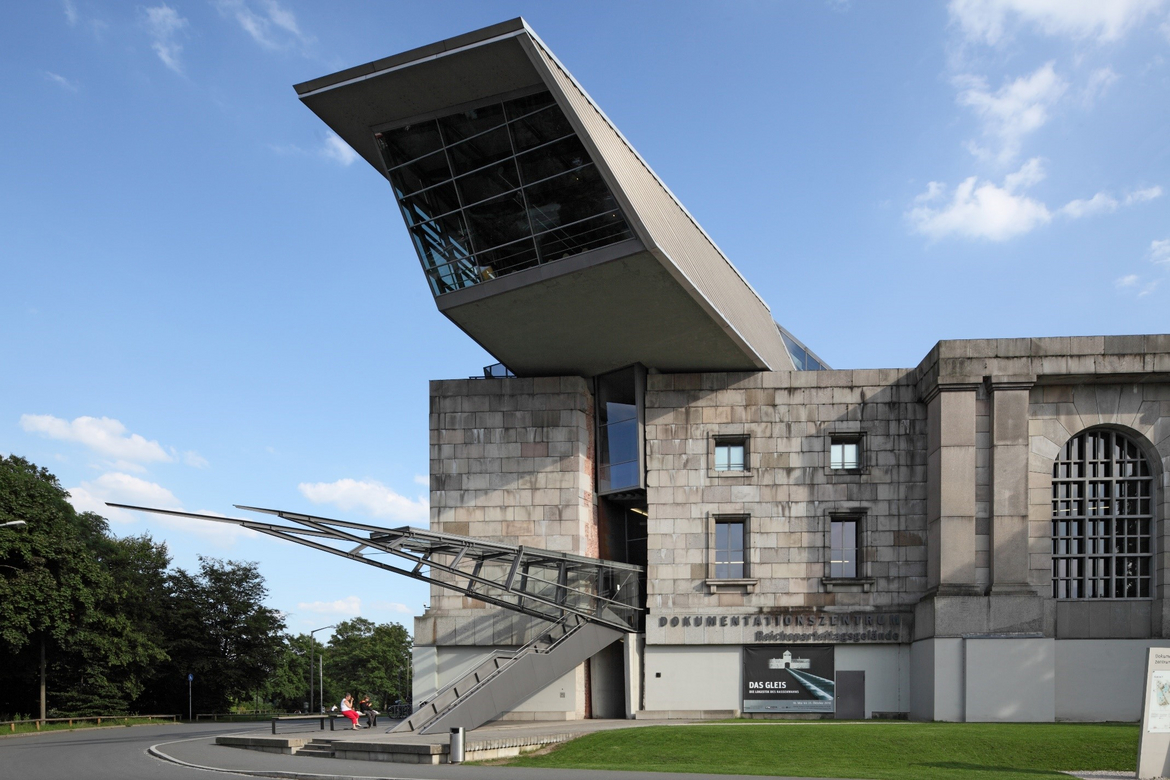
The Documentation Center at the Rally Grounds Built into the unfinished Congress Hall, this museum doesn't flinch from the city's role as the staging ground for Nazi Party rallies. It's heavy, and it's worth the visit — understanding this place is part of understanding modern Germany.
Getting There and Getting Around
Nuremberg is the natural anchor city for the Bavaria training-area cluster — Grafenwöhr, Vilseck, Ansbach, and Hohenfels are all within reasonable driving distance, and the city has its own airport (NUE) plus direct rail connections to Munich (about an hour), Frankfurt, and Berlin. The old town itself is compact and genuinely walkable; you won't need a car once you're there, and parking in the center is limited and expensive like most German old towns.
Getting around once you're there:
- The old town (Altstadt) is entirely walkable — most major sights are within a 20-minute walk of each other
- U-Bahn and tram network (VAG) covers everything outside the walls; a single ticket costs a few euros, day passes are better value if you're making more than two trips
- The main train station (Hauptbahnhof) sits just outside the southeastern wall, an easy walk into the old town
The Top Attractions
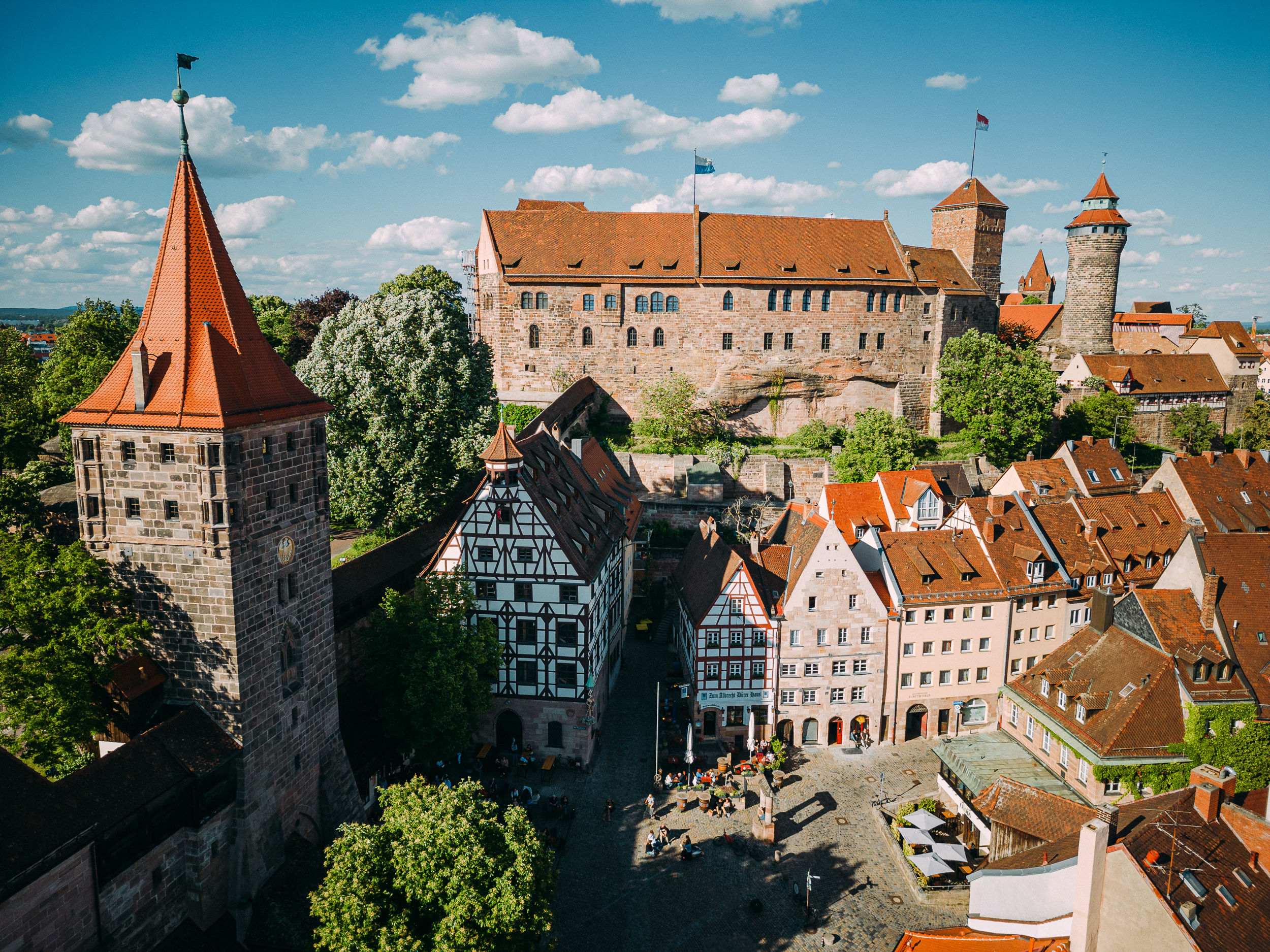
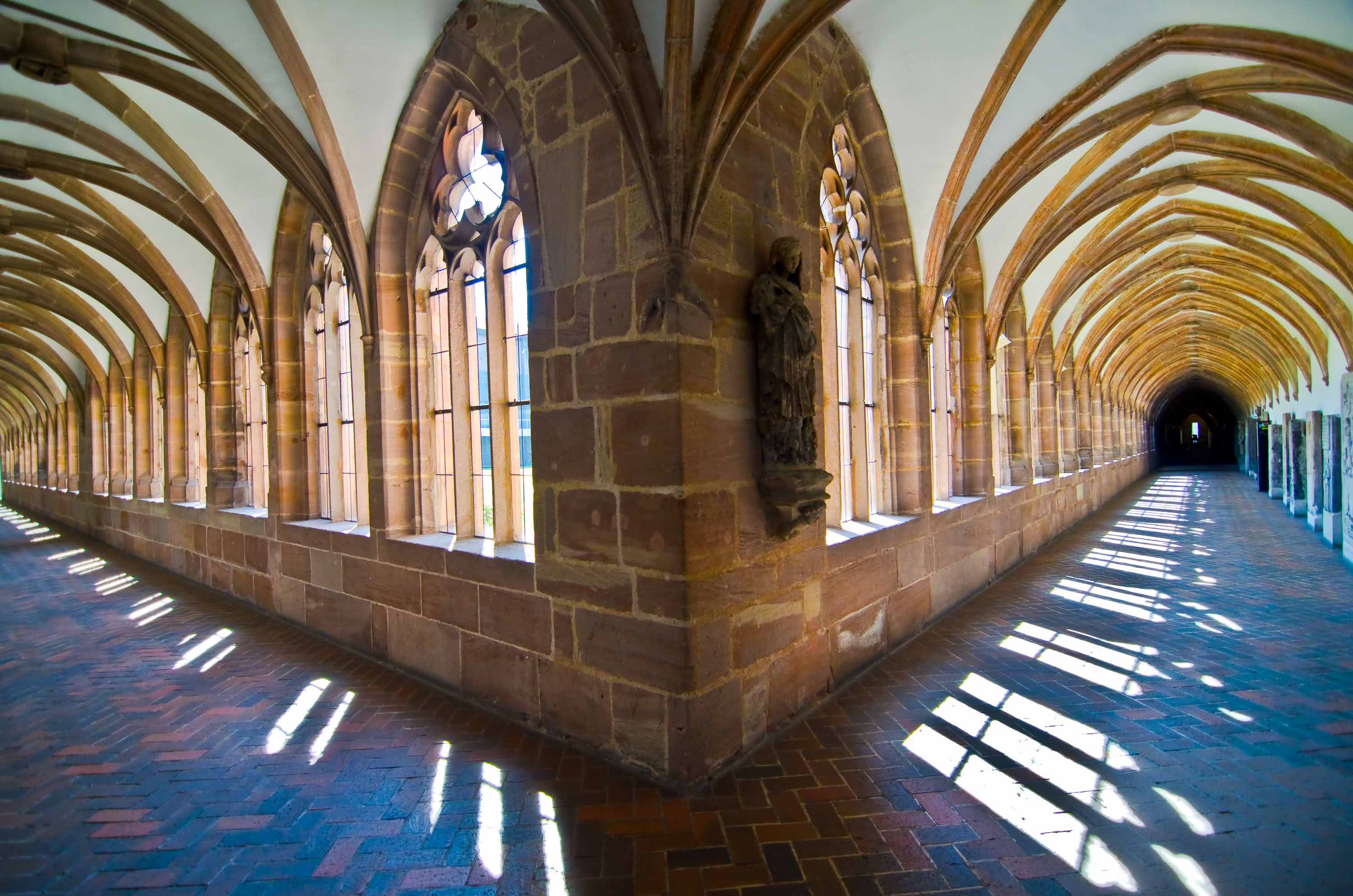
Kaiserburg (Nuremberg Castle) Sits at the highest point of the old town and was a seat of power for Holy Roman Emperors for centuries. The views over the red-tiled rooftops alone are worth the climb, and the castle's deep well and Romanesque double chapel are genuinely interesting beyond the view.
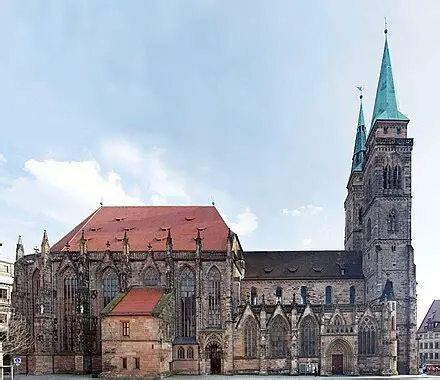
St. Sebaldus and St. Lorenz Churches Anchor the two halves of the old town on either side of the Pegnitz, both genuinely impressive Gothic interiors that somehow survived heavy wartime bombing largely intact or were carefully restored afterward.
Germanisches Nationalmuseum One of the largest museums of German cultural history anywhere — plan for a few hours if art and history genuinely interest you, or a focused hour if you just want the highlights.
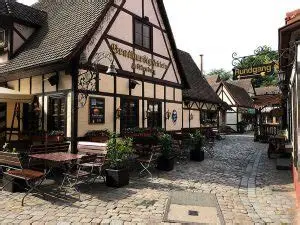
Handwerkerhof Just outside the old town wall near the main train station, a small recreated medieval craftsmen's courtyard. A bit touristy, but a pleasant stop for a bratwurst and a look at traditional crafts if you have an hour to spare.
Documentation Center Nazi Party Rally Grounds Built into the unfinished Congress Hall on the former rally grounds south of the city center. Not a pleasant visit, and not meant to be — a serious, well-curated museum that explains how and why Nuremberg became the staging ground it did, and what happened afterward at the Nuremberg Trials courtroom (Room 600, still a working courtroom, with a small exhibit attached).
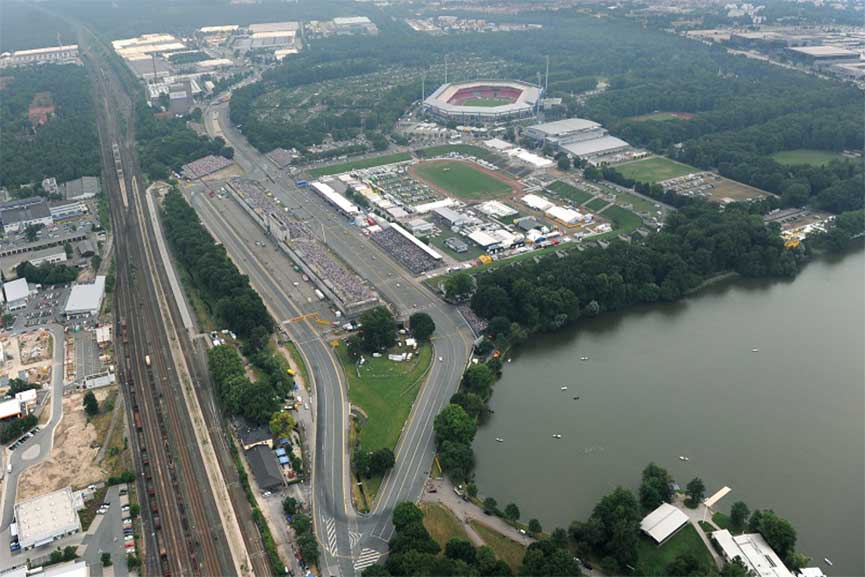
Norisring The same Rally Grounds site does double duty as a genuine motorsport venue — the Norisring is a temporary street circuit that winds around the grandstands, hosting DTM (Deutsche Tourenwagen Masters) races every summer, one of the most distinctive stops on the German touring car calendar. If your visit lines up with a race weekend, it's worth knowing about even if you're not a motorsport fan; if you are one, this is a genuinely notable circuit, not just a local curiosity. Check the current race calendar before planning around it, since it's only active on public roads for the event itself.
The Christkindlesmarkt
If you can plan a visit around it, do. It runs from the Friday before the first Sunday of Advent through Christmas Eve, centered on Hauptmarkt but spilling into the surrounding streets. It gets genuinely crowded — go on a weekday evening or early on a weekend morning if you want to actually move around rather than shuffle.
What to look for:
- The Kinderweihnacht (children's Christmas market), just off the main market — worth a look even without kids
- Original Nürnberger Lebkuchen (the city's famous spiced gingerbread), sold in decorative tins that make good gifts to bring home
- The Zwetschgenmännle — little figures made from dried plums and figs, a genuinely local Nuremberg craft you won't find at other German Christmas markets
- Glühwein mugs — each city's market has its own annual mug design; Nuremberg's are collectible and worth keeping rather than returning for the deposit
Food Scene
Must-try:
- Drei im Weggla / Nürnberger Rostbratwurst — the sausage the whole city is named for, sold at stands throughout the old town and at the Bratwursthäusle right by St. Sebaldus church
- Nürnberger Lebkuchen — that same gingerbread, sold year-round but best (and freshest) around Christmas
- Schäufele — a roasted pork shoulder dish common across Franconia, usually served with dumplings and a dark beer gravy
- Franconian Rotbier — Nuremberg sits in Franconia, which has its own distinct beer culture separate from Munich's; worth exploring if you've only ever had Bavarian lagers further south
Budget tips:
- Drei im Weggla from a market stand: a few euros, filling enough for a light meal
- Bakeries throughout the old town for a cheap breakfast
- A sit-down Franconian restaurant meal runs noticeably less than the same experience in Munich
Practical Tips
English is spoken widely in the city center and at tourist sites, less reliably the further you get from downtown. Franconian German has its own accent and a handful of local words that differ from standard German — don't be surprised if it sounds a little different from what you learned in a base language class. The city is genuinely family-friendly, with a toy museum (fitting, given Nuremberg's centuries-old toy-making history) and plenty of green space along the river for kids to burn off energy between museums.
The old town gets seriously crowded during Christkindlesmarkt season — if you're bringing small kids or want a calmer visit, an early weekday morning is your best window.
When to Visit
December — The Christkindlesmarkt is the obvious draw and worth building a trip around, but expect crowds and cold weather.
Spring/Early Summer — Good weather, far fewer crowds, the old town and castle grounds are genuinely pleasant to walk without fighting a market crowd for space.
Late Summer — Warm, decent for outdoor beer gardens, but this isn't a city built around summer festivals the way some others are.
Late Fall — Grey and cold before the market opens; the least rewarding window unless you're specifically avoiding crowds.
Quick Nuremberg Checklist
- Walk Hauptmarkt and see the Schöner Brunnen
- Eat a Drei im Weggla standing up, market-stand style
- Climb up to Kaiserburg for the rooftop view
- Walk a stretch of the medieval city wall
- Visit the Documentation Center at the Rally Grounds
- If visiting in December: the Christkindlesmarkt, plus the Kinderweihnacht
- Bring home a tin of Original Nürnberger Lebkuchen
The Bottom Line
Nuremberg doesn't get talked about as much as Munich or Berlin, and that's exactly what makes it worth the trip — you get a genuinely beautiful, walkable medieval old town, one of the best Christmas markets on the continent, a food culture that's proudly its own rather than a smaller version of Munich's, and an honest, well-handled reckoning with the darkest chapter of its own history. For families stationed anywhere in the Grafenwöhr/Vilseck/Ansbach/Hohenfels cluster, this is your anchor city — the place you'll end up bringing every visitor from home at least once.
Planning day trips from your base? See our Day Trips guide for more destinations within driving distance, and our PCS Guide to Germany for everything else about settling in.