
You step off the train at Munich Hauptbahnhof and immediately feel Bavaria's different energy. People wear lederhosen and dirndls unironically—this isn't costume, it's culture. The smell of freshly baked pretzels and roasted almonds fills the air. Beer gardens overflow with locals holding massive 1-liter Mass steins. Church bells chime from twin-towered Frauenkirche. Marienplatz square bustles with shoppers. This is Munich—traditional, prosperous, unapologetically Bavarian, and absolutely addictive.
This is not Berlin's edge or Frankfurt's business.
Munich is beer garden paradise (outdoor drinking under chestnut trees, bring your own food allowed). It's Oktoberfest (the world's biggest party, but beer gardens year-round). It's Christmas market magic (Germany invented them here, Christkindlmarkt since 1310). It's pretzel perfection (fresh Brezn with Obatzda cheese). It's Alps-adjacent (mountains 90 minutes away). And it's gemütlich—that uniquely Bavarian coziness you can't translate but absolutely feel.
I've spent time here, and Munich surprises Americans. It's expensive (yes), traditional (absolutely), but also modern, international, and incredibly livable. You'll drink beer for breakfast at Oktoberfest, eat pretzels bigger than your head, shop designer boutiques, explore Christmas markets, and understand why Bavarians are so proud of being Bavarian.
Here's everything you need to know.
The Munich Moments That'll Stay With You
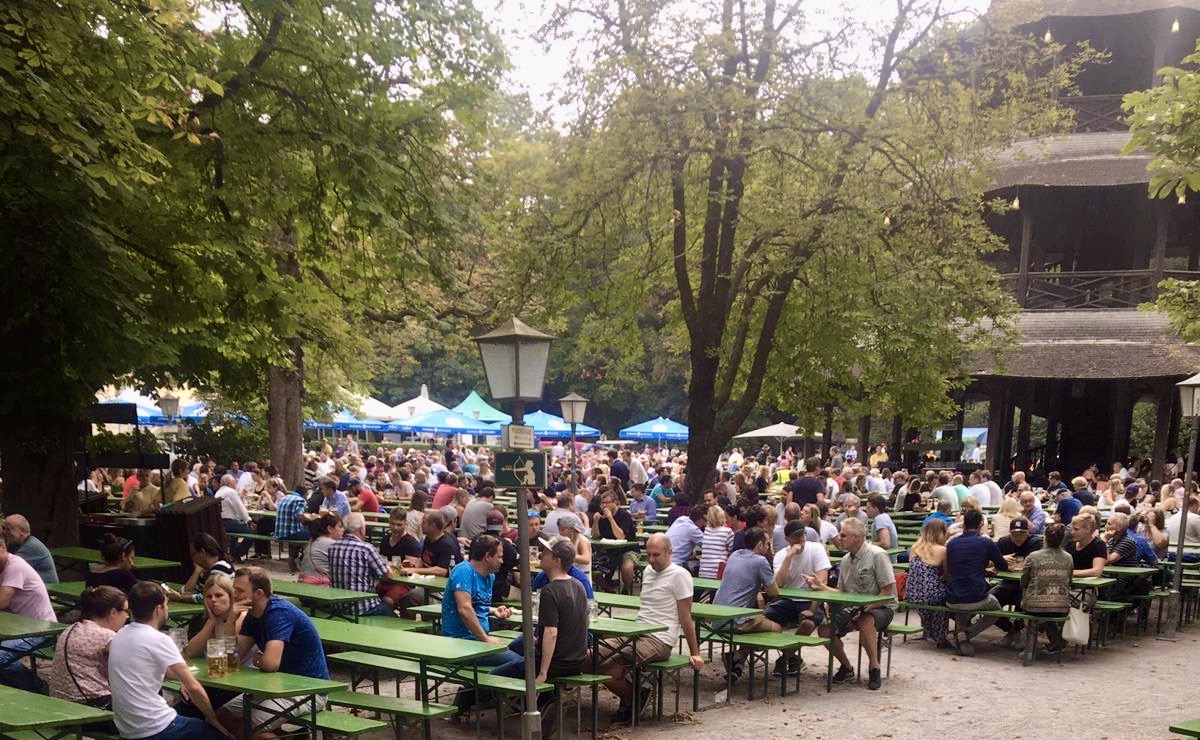
Drinking a Mass in a Beer Garden at Sunset You're sitting under centuries-old chestnut trees in the English Garden. Your 1-liter stein of beer (a Mass) sits before you. The sun filters through leaves. Locals chat at communal tables. You've brought pretzels and cheese from outside (totally allowed). This is peak Munich—relaxed, social, timeless. You understand why beer gardens are Bavaria's living rooms.
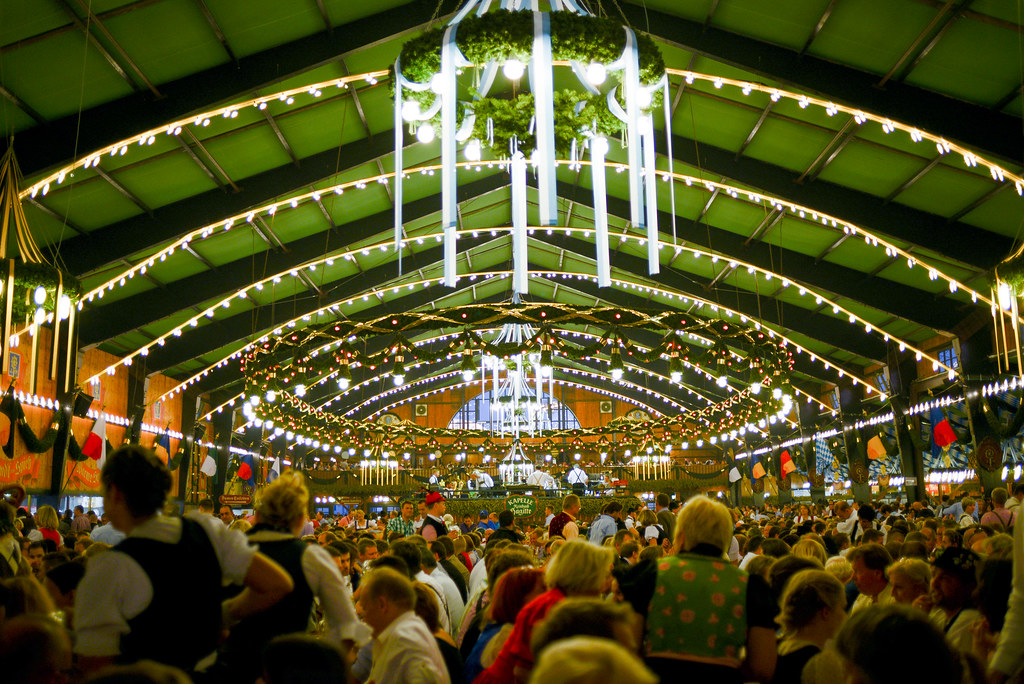
Oktoberfest Tent Energy The band plays. Ten thousand people stand on benches singing. Everyone sways with their steins raised. Your table mates (strangers 30 minutes ago) are now best friends. You're wearing a dirndl or lederhosen you bought yesterday. This is Oktoberfest—chaotic, joyful, unforgettable. Nothing else like it on Earth.
Christmas Market at Marienplatz You're holding Glühwein in a collectible mug. The smell of roasted almonds and Lebkuchen fills the air. A 25-meter Christmas tree glows with 2,500 lights. The neo-Gothic town hall towers above. It's snowing. Bavarian Stubenmusik plays from the balcony. This is where Germany perfected Christmas markets—and it shows.
Fresh Pretzel with Obatzda You bite into a warm Bretzel (pretzel) from a bakery. It's bigger than your hand, perfectly salted, soft inside, crispy outside. You dip it in Obatzda (Bavarian cheese spread with paprika and onions). This simple combination is perfection. You understand why Bavarians eat pretzels daily.
Marienplatz Glockenspiel At 11am (and noon, 5pm in summer), the Rathaus Glockenspiel comes alive. Mechanical figures reenact a 16th-century tournament. Tourists crane necks. It's touristy, sure—but it's also charming, free, and quintessentially Munich. You watch with everyone else.
Beer Garden Culture – Munich's Living Rooms
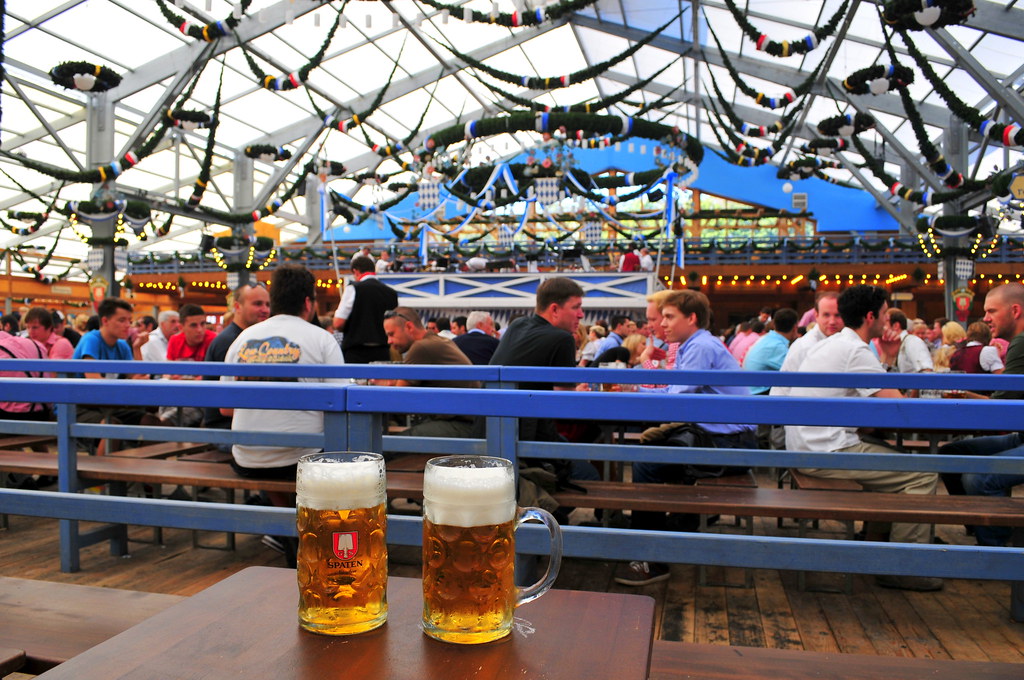
Beer gardens are the Munich experience. Not just for Oktoberfest—year-round, weather permitting (March-October usually).
The Beer Garden Rules:
Bring your own food – Yes, really! Most beer gardens allow (even encourage) bringing food. Buy drinks only.
Communal seating – Long tables, sit with strangers, make friends
Order at the counter – No table service in traditional gardens
Mass = 1 liter – Standard serving size (€9-12)
Cash preferred – Some don't take cards
Best Beer Gardens in Munich:
Augustiner-Bräu Oldest brewery in Munich (1328). Huge beer garden (5,000 seats) near Hauptbahnhof. Traditional, locals love it. Beer from wooden barrels.
Chinesischer Turm (English Garden) 7,000 seats around a Chinese pagoda in the massive English Garden park. Scenic, touristy but beloved. Beer garden since 1789.
Hofbräukeller Terrace seating with views. Smaller, cozier than HB Bräuhaus (the crazy tourist one). More authentic.
Hirschgarten Munich's largest beer garden (8,000 seats!). Locals bring whole picnics. Deer park next door. Family-friendly.
Viktualienmarkt Beer Garden Small, central, convenient. Rotates through Munich's six breweries monthly. Food market surrounds it—grab snacks from stalls.
Pro tips:
Bring food! Buy from nearby supermarket or bakery (pretzels, cheese, salami). Legal and encouraged.
Cash only at many traditional gardens
Go when sunny – Germans swarm beer gardens at first sunshine
Tables with tablecloths = table service required (more expensive)
Under chestnut trees = classic beer garden atmosphere
Cost: Mass (1L) beer €9-12, food if you buy there €8-15
Reality check: Beer gardens close when weather's bad or in winter. But when open, they're the most authentic Munich experience.
Bavarian Food – More Than Sausages
Brezn (Pretzel)
Bavarian pretzels are serious business. Fresh, warm, bigger than your hand, perfectly salted, crispy outside, soft inside.
Where: Any bakery (€1-2), beer gardens, Viktualienmarkt
How to eat: With Obatzda (cheese spread), butter, or alone
Pro tip: Order "Brezn mit Butter" at breakfast with Weisswurst and beer. Yes, beer for breakfast. It's tradition.
Weisswurst (White Sausage)
Munich's traditional breakfast sausage. Made from veal and pork, flavored with parsley and lemon. Eaten before noon traditionally.
How to eat: Peel the skin off (don't eat it), dip in sweet mustard (Süsser Senf), eat with pretzel and Weissbier (wheat beer).
Where: Any traditional restaurant or beer hall, especially morning
Cost: €4-6 for two sausages
The tradition: "Weisswurst should not hear the church bells ring at noon"—eat them before midday.
Schweinshaxe (Pork Knuckle)
Roasted pork knuckle. Massive. Crispy skin, tender meat inside. Served with sauerkraut, potato dumplings, gravy.
Where: Hofbräuhaus, Augustiner Bräustuben, any traditional restaurant
Cost: €15-20
Warning: One serving feeds 1-2 people. Come hungry.
Obatzda
Bavarian cheese spread. Camembert mixed with butter, paprika, onions, caraway. Served with pretzels or radishes.
Where: Beer gardens, taverns, as an appetizer
Perfect with: Fresh pretzel and beer
Käsespätzle
Bavarian mac and cheese. Egg noodles (Spätzle) with melted cheese, fried onions on top. Comfort food perfection.
Cost: €10-14
Apple Strudel (Apfelstrudel)
Flaky pastry filled with spiced apples, raisins, cinnamon. Served warm with vanilla sauce or ice cream.
Where: Cafés, beer gardens, restaurants
Cost: €5-8
Oktoberfest – The World's Biggest Party
September 20 - October 5, 2025 (191st Oktoberfest)
The world's largest folk festival. 6 million visitors. 14 massive beer tents. 7 million liters of beer consumed. Two weeks of Bavarian madness.
What Is It?
Started in 1810 as a royal wedding celebration. Now it's 16-18 days (despite the name, mostly in September) of beer, food, rides, and Bavarian culture on the Theresienwiese (fairgrounds).
The Tents:
14 large tents (each holds 5,000-10,000 people) plus smaller ones. Each tent has its own brewery, vibe, and character.
Major tents:
- Hofbräu Festzelt – Touristy, international, easiest to get in
- Augustiner-Festhalle – Locals' favorite, traditional, beer from wooden barrels
- Schottenhamel – Where the mayor taps the first keg ("O'zapft is!")
- Hacker-Festzelt – Beautiful heaven-painted ceiling
- Löwenbräu – Huge lion statue roars every few minutes
How It Works:
Reservations: Tables are reserved for most of the day. Walk-ins get standing room or unreserved areas (arrive early, like 9am on weekdays, 8am weekends).
Beer: Served only in 1-liter Mass steins. €13-15 per Mass. Only 6 Munich breweries allowed.
Food: Hendl (roast chicken), pretzels, pork, fish, Käsespätzle. Expect €10-20 per meal.
Dress code: Traditional Bavarian clothing encouraged. Dirndls for women, lederhosen for men. You can buy them in Munich (€40-200) or rent.
Music: Each tent has live Bavarian brass bands. They play traditional music early, then popular songs (Country Roads, Sweet Caroline) where everyone stands on benches swaying.
Survival Tips:
Wear a dirndl or lederhosen – You'll blend in and enjoy it more
Go on weekdays – Weekends insane, weekdays merely busy
Pace yourself – Mass is strong (6% alcohol), liter is a lot
Book table reservations months ahead (or arrive very early)
Bring cash – ATMs available but lines long
Use public transit – Uber surge pricing is brutal
Eat food – Don't just drink, the Hendl is delicious
Cost: Budget €80-150/person for a full day (tent reservation, food, beer, rides)
Reality check: It's crowded, loud, expensive, and exhausting. It's also incredibly fun, uniquely Bavarian, and absolutely worth experiencing once.
Christmas Markets – Where Germany Perfected Them
Munich's Christkindlmarkt traces back to 1310, making it one of Germany's oldest Christmas markets. When other cities copied the concept, Munich refined it into an art form.
November 24 - December 24, 2025
Christkindlmarkt at Marienplatz
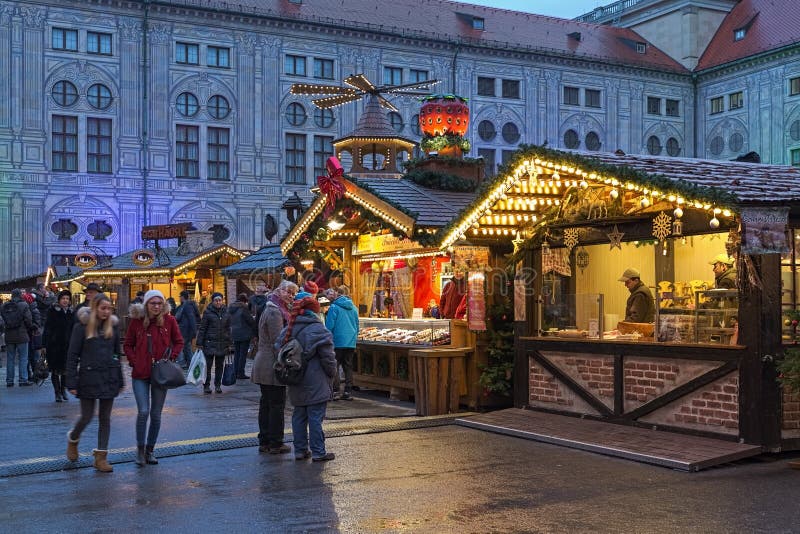
The main market with over 150 stalls spreads across Marienplatz beneath the neo-Gothic Rathaus and a magnificent 25-meter Christmas tree with 2,500 lights.
What makes it special:
- Live Bavarian Stubenmusik from Town Hall balcony daily at 5:30 PM
- Krampuslauf (December 14, 2025, 3-5 PM)—500-year-old tradition of horned wild fellows chasing through crowds, attracts 50,000 spectators
- Nativity scene market (Germany's largest)
- Traditional crafts, ornaments, gifts
What to eat/drink:
- Glühwein (mulled wine) – €3-4, comes in collectible mug (€3-4 deposit, keep or return)
- Gebrannte Mandeln (roasted almonds) – Sweet, warm, addictive
- Lebkuchen hearts – Giant gingerbread cookies you wear around neck
- Bratwurst – Grilled sausages
- Reibekuchen – Potato pancakes with applesauce
Hours: Monday-Saturday 10am-9pm, Sunday 10am-8pm, December 24 10am-2pm
Tollwood Winter Festival
Alternative Christmas market on the Theresienwiese (Oktoberfest grounds) with organic food, arts and crafts, theatre, music, and free events.
Why it's different: Less traditional, more eclectic. International food, environmental focus, performances. Many events are free.
When: November 25 - December 23, 2025
Chinesischer Turm Christmas Market
In the English Garden around the Chinese Tower pagoda. Romantic, forest-like setting with beer garden atmosphere.
When: November 20 - December 23, 2025, closed Mondays and Tuesdays
Vibe: Less crowded than Marienplatz during weekdays, scenic park setting
Pro Tips for Christmas Markets:
Collect mugs – Each year has unique Glühwein mug design
Bring cash – Most stalls cash-only
Go weekday evenings – Fewer crowds, atmospheric
Dress warm – December in Munich is cold
Best photos at dusk – Lights on, still some daylight
Shopping Munich
Marienplatz & Surrounding Pedestrian Zone
Munich's shopping heart. Pedestrian streets radiating from Marienplatz filled with department stores, boutiques, international brands.
What's here:
- Kaufingerstrasse – Main shopping street (Zara, H&M, all the chains)
- Neuhauser Strasse – More shops, connects to Karlsplatz
- Theatinerstrasse – Upscale boutiques
- Maximilianstrasse – Luxury avenue (Prada, Gucci, Chanel)
Viktualienmarkt
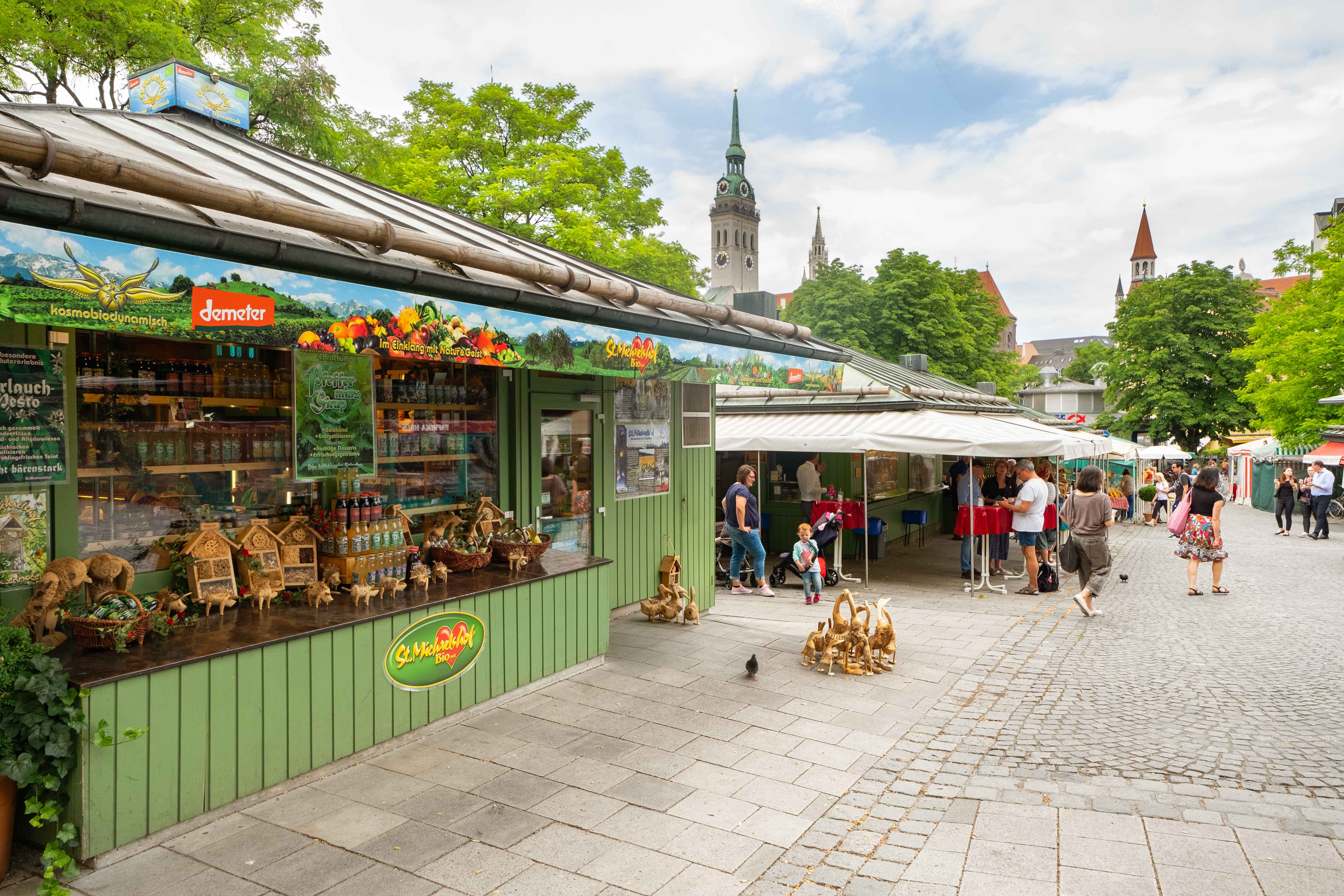
Munich's famous outdoor food market. Fresh produce, meats, cheeses, flowers, baked goods, plus restaurants and beer garden.
What to buy: Bavarian specialties, fresh pretzels, cheese, sausages, flowers
When: Monday-Saturday, 8am-6pm (varies by stall)
Why visit: Authentic Munich, locals shop here, great for lunch
Hofbräuhaus – Gift Shop
The famous beer hall has a shop selling steins, clothing, souvenirs. Kitschy but authentic.
Getting Around Munich
Excellent public transit—U-Bahn (metro), S-Bahn (commuter rail), trams, buses.
Tickets (MVV):
- Single (Innenraum/inner zone): €3.70
- Day ticket: €9.90
- 3-day ticket: €23.70
- Group day ticket: €19.20 (up to 5 people)
How it works: Buy at machines, validate before boarding, zones matter (most tourists only need inner zone/Innenraum), random inspections (€60 fine)
Pro tips:
Get day ticket if taking 3+ rides
MVG app for mobile tickets
U-Bahn and S-Bahn fast and frequent
Trams scenic – See the city while traveling
Walking:
Central Munich is walkable. Marienplatz to English Garden is 20 minutes.
Munich on a Budget (It's Expensive, But Here's How)
Munich is Germany's most expensive city. But smart choices help.
Budget tips:
Bakeries for meals – Pretzel and coffee €3-5
Beer gardens – Bring own food, buy drinks only
Group day ticket – Split €19 among 5 people
Viktualienmarkt lunch – Cheaper than restaurants
Free sights – Churches, parks, Marienplatz
What things cost:
- U-Bahn: €3.70
- Coffee: €3-5
- Mass of beer: €9-12
- Pretzel: €1-2
- Weisswurst breakfast: €8-12
- Schweinshaxe: €15-20
- Oktoberfest: €80-150/day
- Christmas market Glühwein: €3-4
Budget: €70-100/day (hostel, bakery meals, beer gardens) or €150-250/day (hotel, restaurants, Oktoberfest)
When to Visit Munich
Spring (April-May) – Beer gardens open, perfect weather, Maypole festivities, fewer tourists
Summer (June-August) – Best beer garden season, warm, outdoor events, busy but lovely
Fall (September-October) – Oktoberfest! Peak season, expensive, crowded, but unforgettable
Winter (November-March) – Christmas markets! Cold but cozy, magical atmosphere, beer gardens closed
Recommendation: May-June for beer gardens without Oktoberfest crowds. December for Christmas markets. September for Oktoberfest (if that's your goal).
Museums & Rainy Day Options
Munich has excellent museums—save these for rainy days or extra time after beer gardens and Christmas markets.
Deutsches Museum
World's largest science and technology museum. Massive, fascinating if you're into that.
Cost: €15
Residenz Munich
Former royal palace of Bavarian monarchs. Opulent rooms, treasury, beautiful.
Cost: €13
BMW Museum
Car enthusiasts love it. History of BMW, concept cars, interactive.
Cost: €12
The Bottom Line on Munich
Munich is traditional Bavaria at its finest. It's beer gardens under chestnut trees, pretzels bigger than your head, Oktoberfest chaos, Christmas market magic, and a city that's unapologetically proud of its heritage.
This is where you drink beer for breakfast (Weisswurst tradition), eat pork knuckles the size of your arm, wear lederhosen to a beer tent with 10,000 strangers, collect Glühwein mugs, and understand what gemütlichkeit means—that cozy, convivial, uniquely Bavarian feeling you can't translate but absolutely experience.
My advice? Book 3-4 days minimum. Visit multiple beer gardens. Eat fresh pretzels daily. If you're here during Oktoberfest or Christmas markets, embrace the chaos. Shop Marienplatz. Try Weisswurst before noon. Drink a Mass at sunset in the English Garden. Let Munich's Bavarian spirit, traditions, and gemütlichkeit work their magic.
This city will charm you with its traditions, impress you with its prosperity, fill you with beer and pretzels, and leave you understanding why Bavarians are so fiercely proud of being Bavarian.
Quick Munich Checklist
Must-Do:
- Beer garden (Augustiner, Chinesischer Turm, or Hirschgarten)
- Fresh Bretzel with Obatzda
- Weisswurst breakfast (before noon!)
- Marienplatz + Glockenspiel
- Viktualienmarkt
- Schweinshaxe dinner
- Drink a Mass of beer
- Christmas market (December)
- Oktoberfest (September)
If You Have Time:
- English Garden walk
- Hofbräuhaus (touristy but iconic)
- Residenz palace
- Nymphenburg Palace
- BMW Museum (car lovers)
- Day trip to Neuschwanstein Castle
- Multiple beer gardens
Don't Miss:
- Beer gardens in summer – Peak Munich
- Oktoberfest – If you're here in September
- Christmas markets – If visiting December
Ready for Munich? Bring appetite for pretzels, thirst for beer, and openness to Bavarian traditions. Prost! 🇩🇪