

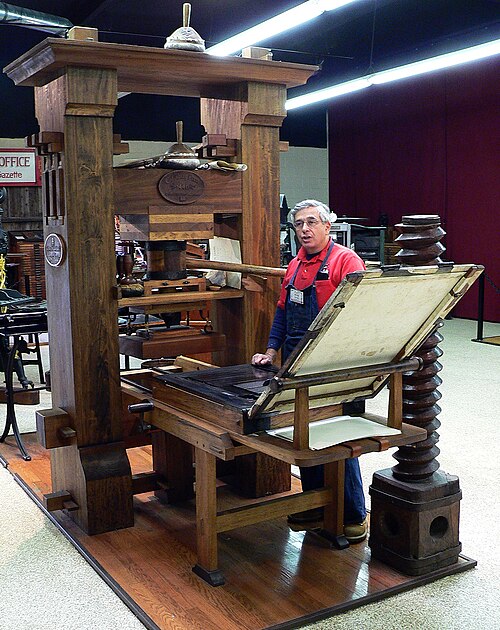
You stand in the Gutenberg Museum in front of an original Gutenberg Bible — one of the first printed books in the world, produced right here in Mainz over 550 years ago — and it's genuinely hard not to feel the weight of it. Johannes Gutenberg's invention of movable-type printing didn't just happen somewhere; it happened specifically in this city, and Mainz has built its identity around that fact ever since. Add a genuinely impressive cathedral, real Chagall stained glass, and a 2,000-year Roman history, and you've got a city that punches well above its size — sitting directly across the Rhine from Wiesbaden, making it one of the easiest possible add-ons to any visit there.
This is not a city you need to go out of your way for.
Mainz is Gutenberg's city (the birthplace of movable-type printing, honored with a dedicated museum holding actual Gutenberg Bibles). It's Mainz Cathedral (a massive, genuinely impressive Romanesque cathedral at the heart of the old town). It's the Chagall windows (a set of strikingly modern stained glass windows by Marc Chagall inside St. Stephan's Church). And it's a SchUM city (part of the same UNESCO Jewish heritage designation shared with Speyer and Worms).
Here's everything you need to know.
The Mainz Moments That'll Stay With You
Standing Before an Original Gutenberg Bible The Gutenberg Museum holds actual Gutenberg Bibles from the 1450s — the first printed books in the Western world, made by the man who invented the whole process, right here in this city.
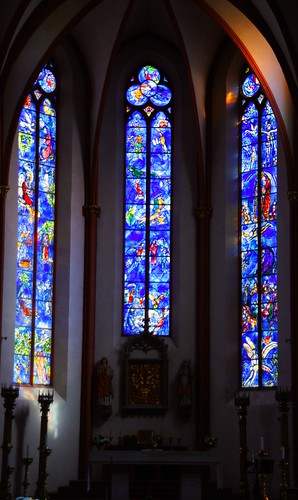
Walking Beneath Chagall's Blue Glass St. Stephan's Church holds a set of stained glass windows designed by Marc Chagall in his signature deep blue — a striking, unexpectedly modern contrast inside a much older church.
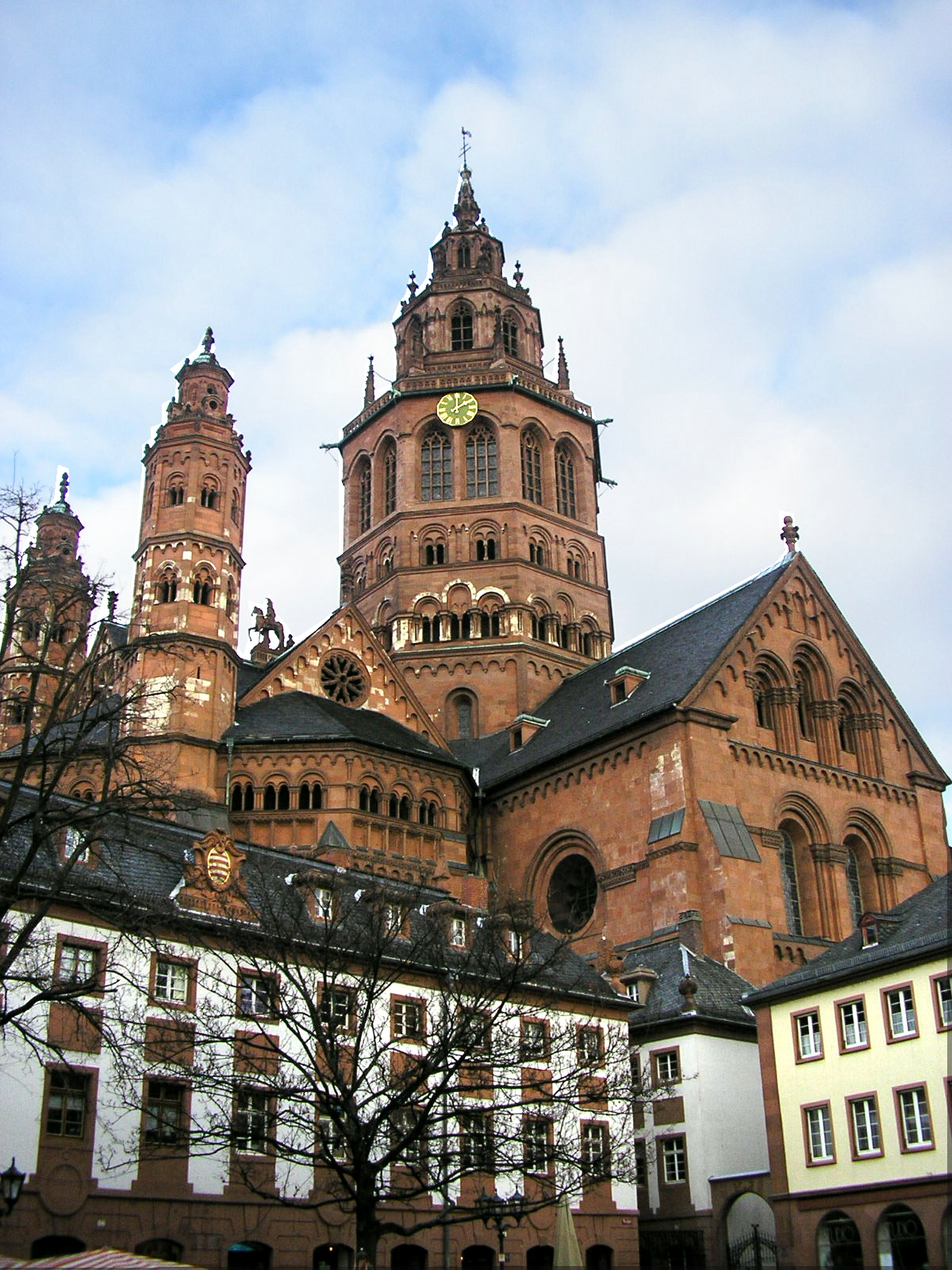
Standing in the Shadow of Mainz Cathedral A genuinely massive Romanesque cathedral with over a thousand years of history, dominating the old town's skyline.
Crossing the Rhine from Wiesbaden If you're coming from the Wiesbaden side, the short crossing over the river to a completely different, historically rich city feels like far more of a change of scenery than the actual distance suggests.
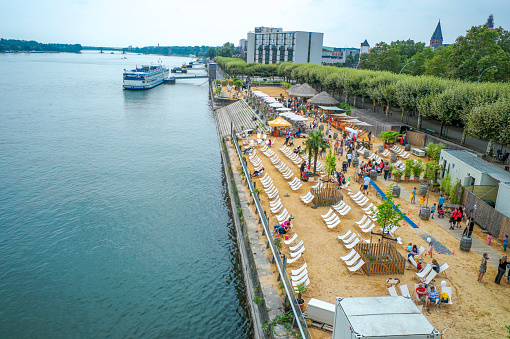
An Evening at the Mainzer Strand Sand, deck chairs, and drinks right along the Rhine in summer — a genuinely relaxed, unexpected side of Mainz that has nothing to do with the cathedral or the museums.
Walking the Citadel's Underground Passages A real 17th-century fortress you can actually explore, tunnels and all — a completely different kind of history than Gutenberg's, and just as tangible.
Getting There and Getting Around
Mainz sits directly across the Rhine from Wiesbaden, connected by bridge and easily reachable by car, bus, or train — genuinely one of the easiest "second city" add-ons available to anyone in the Wiesbaden area. The old town is compact and walkable, with the cathedral, Gutenberg Museum, and St. Stephan's Church all within a short walk of each other.
Getting around once you're there:
- The old town is walkable — cathedral, museum, and church are all close together
- Regular bus and rail connections make the crossing from Wiesbaden easy without a car
- Mainz's old town rewards a slow wander, not just a checklist of sights
The Top Attractions
Gutenberg Museum One of the oldest museums of printing in the world, located directly opposite Mainz Cathedral, home to original Gutenberg Bibles from the 1450s — the first printed books in Western history, produced in this city by the man the museum is named for.
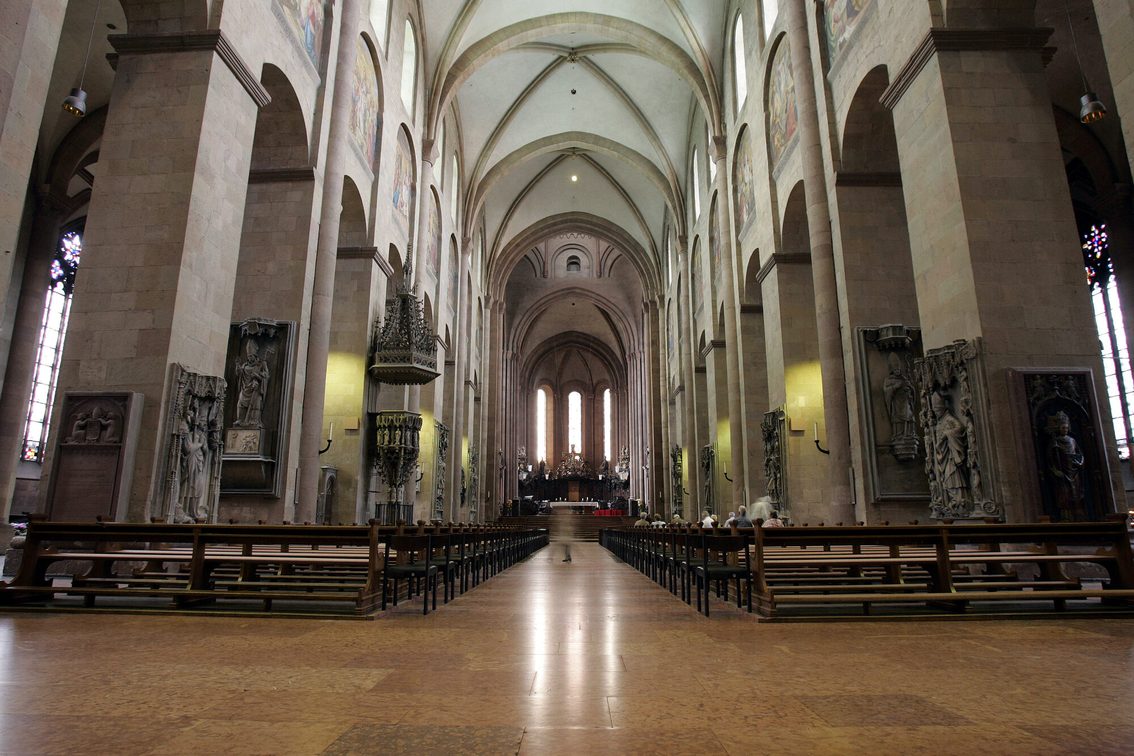
Mainz Cathedral (Dom St. Martin) A massive Romanesque cathedral over a thousand years old, dominating the old town's skyline — one of the most significant cathedrals along the Rhine, with a genuinely impressive interior scale.
St. Stephan's Church and the Chagall Windows A church whose stained glass windows were designed by Marc Chagall — striking, deep-blue modern glass inside a much older Gothic structure, a genuinely unusual and beautiful combination.
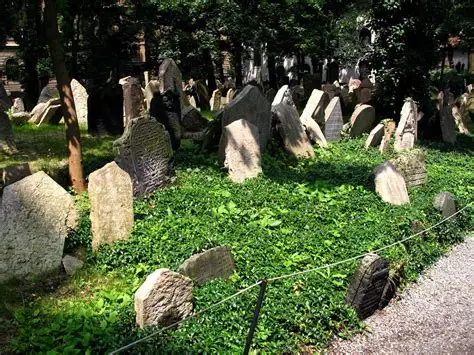
Mainz Old Jewish Cemetery (Judensand) One of the oldest Jewish cemeteries in Europe, with tombstones dating back to the 11th century — part of Mainz's SchUM UNESCO World Heritage designation, shared with Speyer and Worms.
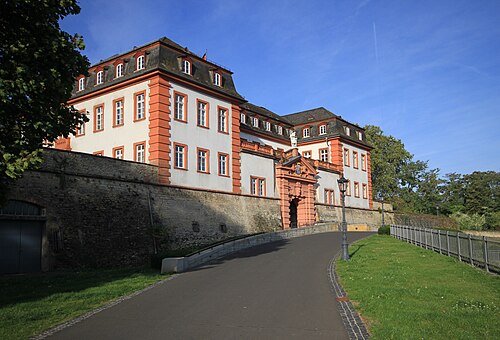
Mainz Citadel (Zitadelle) A large 17th-century fortress on the Jakobsberg hill at the edge of the old town, built on the site of a medieval abbey — genuinely walkable, with underground passages, a café, and a regular events calendar (open-air concerts, a citadel festival, even its own Christmas market). One of the more substantial fortress complexes in the region, and a real anchor of Mainz's centuries of history as a fortified city.
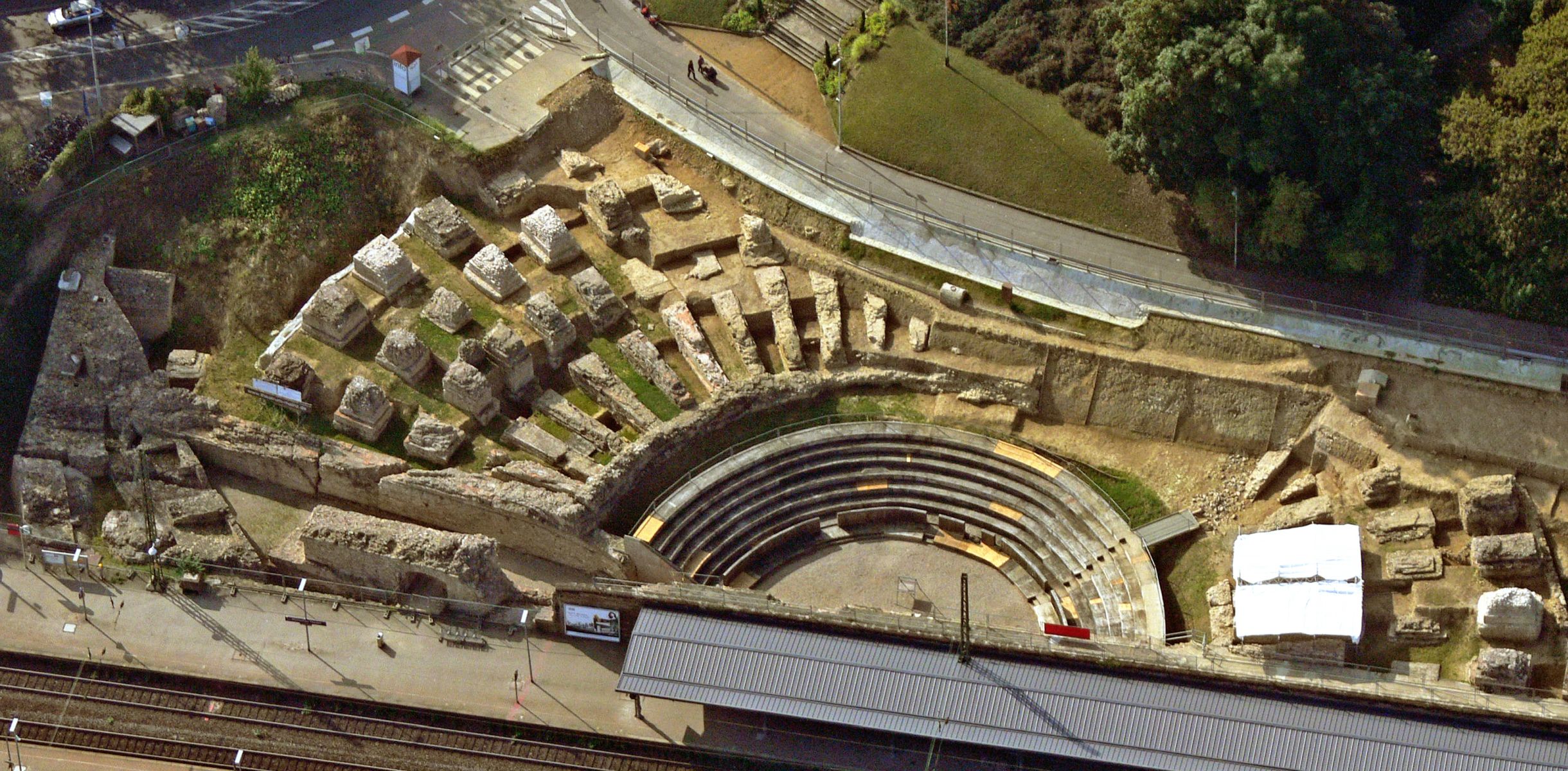
Roman Theater (Römisches Theater) The excavated ruins of a Roman theater from Mogontiacum, the Roman settlement that predates modern Mainz — one of the largest Roman theaters north of the Alps, with its own dedicated train station named after it, right at the base of the Citadel hill.
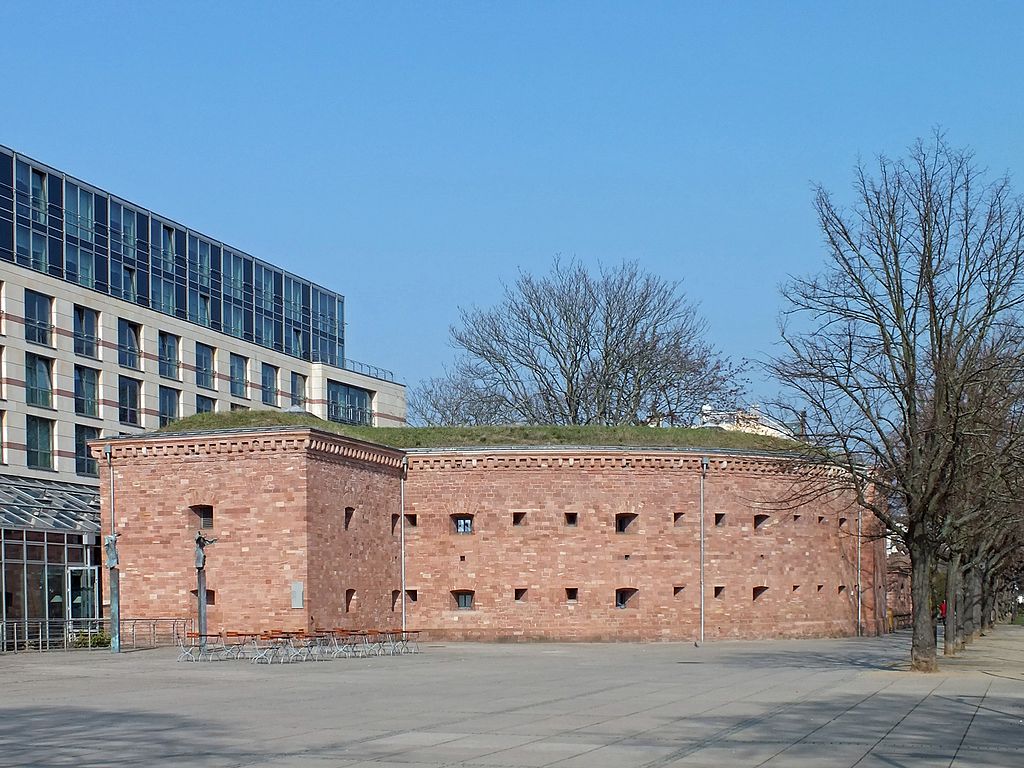
Fort Malakoff and the Malakoff Passage A 19th-century Rhine fortification with a genuinely interesting name: Fort Malakoff was named after a heavily fortified Russian tower at Sevastopol that became infamous during the 1855 Crimean War, a naming trend that spread across Western Europe for particularly imposing fortifications. Today the fort itself is built into the Hyatt Regency Mainz hotel, and its name carries over to the surrounding Fort Malakoff Park shopping and entertainment complex, including the Malakoff Passage — home to the Mainzer Kammerspiele theater and a genuinely pleasant place to browse, eat, or catch a show.
Mainzer Strand Mainz's summer riverside hangout — a stretch along the Rhine near the Malakoff Passage that transforms into a genuine "beach" scene each summer, complete with sand, deck chairs, and drinks, alongside a cluster of riverside bars and restaurants. A completely different, much more relaxed side of the city than the cathedral and museums.
A SchUM City
Mainz, Speyer, and Worms together make up the SchUM cities, recognized as UNESCO World Heritage in 2021 for their outstanding significance to medieval Jewish history and culture. The Judensand cemetery, with tombstones standing since as early as the 11th century, is Mainz's centerpiece — a genuinely moving site alongside the city's more famous Gutenberg and cathedral attractions.
Rhine Legend Country
Mainz sits on the same stretch of the Rhine tied to Germany's most famous legend cycle — the Nibelungenlied, the medieval epic behind Wagner's Ring of the Nibelung operas. The story's specific setting is Worms, further south, where the legendary Burgundian treasure was supposedly sunk into the river by the villain Hagen after Siegfried's murder — but the legend, and the romantic mystery of a cursed golden hoard still lying somewhere in the Rhine, belongs to this whole stretch of river Mainz sits along. A real archaeological hoard discovered near Mainz in recent years even sparked speculation, ultimately unproven, that it might connect to the legend.
A Proper Mainz Brewery
Eisgrub-Bräu, a local brewery and restaurant in the old town, is a genuine Mainz institution worth seeking out for hearty regional food and beer brewed on-site — a good, unpretentious contrast to the more polished tourist spots near the cathedral.
Practical Tips
English is spoken reasonably well in the tourist core, especially given the proximity to Wiesbaden's American community. Mainz makes an easy half-day add-on to a Wiesbaden visit, or a worthwhile destination in its own right if you have a full day to give it.
When to Visit
Spring through Fall — Good weather for walking the old town, comfortable conditions throughout.
Summer — Warm and busier with tourists, especially around the cathedral and museum.
Winter — The Gutenberg Museum and cathedral are indoor attractions worth visiting regardless of weather; the old town has a quieter, more local feel.
Quick Mainz Checklist
- See an original Gutenberg Bible at the Gutenberg Museum
- Stand beneath Mainz Cathedral's towers
- See the Chagall windows at St. Stephan's Church
- Visit the Judensand old Jewish cemetery
- Walk the Citadel's underground passages
- See the Roman Theater ruins
- Spend an evening at the Mainzer Strand in summer
- Eat and drink at Eisgrub-Bräu
- Pair it with a Wiesbaden visit — the crossing takes almost no extra time
The Bottom Line
Mainz is one of the easiest, most worthwhile add-ons available to anyone stationed at or visiting Wiesbaden — a short crossing over the Rhine into a city with real weight in printing history, cathedral architecture, and medieval Jewish heritage, all within a compact, walkable old town.
Planning day trips from your base? See our Day Trips guide for more destinations within driving distance, and our PCS Guide to Germany for everything else about settling in.