

You step off the train at Santa Apolónia and immediately feel Lisbon's warmth—literally and figuratively. The sun hits different here. It's golden, constant, Mediterranean but Atlantic. You hear the rattle of iconic yellow trams climbing impossible hills. The smell of freshly baked pastéis de nata drifts from a nearby pastelaria. Buildings are covered in beautiful azulejo tiles—blues, yellows, geometr patterns everywhere. Someone's playing fado guitar in a doorway. The Atlantic breeze carries a hint of salt.
This is not the Europe you're used to.
Lisbon is nostalgic (vintage trams, crumbling facades, melancholic fado music). It's coastal (beaches within 30 minutes, Atlantic energy, seafood everywhere). It's hilly (seven hills, jaw-dropping miradouros/viewpoints, calves that will burn). It's tiled (azulejos cover buildings, churches, metro stations). And it's affordable—you can eat like royalty, drink port wine, and explore one of Europe's oldest capitals without emptying your wallet.
I've spent time here, and Lisbon never stops charming you. It's photogenic—those pastel buildings cascading down hills. It's delicious—the pastéis de nata, the seafood, the bacalhau. It's atmospheric—fado music in Alfama, sunset from miradouros, the golden hour glow. And it's soulful—there's a Portuguese word, saudade, meaning a deep emotional longing or melancholy. Lisbon embodies it.
Here's everything you need to know.

The Lisbon Moments That'll Stay With You
Riding Tram 28 Through Alfama You're on the iconic yellow tram, vintage wood interior, squeezed against locals. The tram climbs impossibly steep hills, rattles around sharp corners, squeezes through narrow alleyways. You pass laundry hanging from windows, azulejo-covered buildings, medieval arches. This is Lisbon's soul—historic, lived-in, timeless.
Eating Fresh Pastéis de Nata at Pastéis de Belém You bite into the warm custard tart—flaky pastry shatters, creamy custard melts, caramelized top adds sweetness. You sprinkle cinnamon and powdered sugar on top. You're in the bakery that's been making these since 1837 using a secret recipe from monks. This is Portugal's national treasure, and you finally understand why.
Watching Sunset from Miradouro da Senhora do Monte You're at the highest miradouro (viewpoint) in Lisbon. The entire city spreads below—red roofs, São Jorge Castle, the Tagus River glittering, the 25 de Abril Bridge in the distance. The sun sets golden over the Atlantic. Someone plays guitar. Locals sit drinking beer and wine. This view captures why they call Lisbon the "City of Light."
Hearing Live Fado in Alfama You're in a tiny tavern in Alfama. The lights dim. A woman begins singing fado—Portugal's soul music, melancholic, passionate, heartbreaking. Her voice rises and falls. The guitar accompanies. Everyone is silent. You don't understand Portuguese but you feel everything. This is saudade—longing, nostalgia, beauty in sadness.
Getting Lost in Alfama's Alleys You're wandering medieval stone alleys. Laundry hangs overhead. Cats lounge in doorways. An old woman leans from a window. You climb steps, turn corners, have no idea where you are. You emerge at a tiny plaza with a fado bar, a church, locals chatting. This is Lisbon at its most authentic—unchanged for centuries.
The Historic Heart – Alfama, Castelo, and Old Lisbon
Alfama District

Lisbon's oldest neighborhood. Medieval Moorish quarter that survived the 1755 earthquake. Labyrinth of narrow alleys, steep staircases, azulejo facades, laundry lines, fado taverns.
The experience: Get intentionally lost. Wander aimlessly. Climb to miradouros. Pop into churches. Stop at corner bars for beer and petiscos (Portuguese tapas). This is where Lisbon's soul lives.
What makes it special: Alfama feels frozen in time. Locals still live here (though gentrification is creeping). It's where fado was born. Every corner is photogenic. The atmosphere is unmatched.
Best miradouros in Alfama:
- Miradouro de Santa Luzia – Beautiful terrace with bougainvillea, azulejo panels, river views
- Miradouro das Portas do Sol – Popular viewpoint, café/bar, great for sunset drinks
- Miradouro da Senhora do Monte – Highest point, best panoramic views
Pro tips:
Go early morning – Best light, fewer tourists
Come back for fado at night – Taverns open after 8pm
Bring good walking shoes – Cobblestones and hills
Stop at local tascas – Tiny bars, cheap drinks, authentic
São Jorge Castle (Castelo de São Jorge)
Moorish castle on Alfama's hilltop. Originally built in 11th century, fortified over centuries, now archaeological site and viewpoint.
What's here: Castle walls you can walk, towers, archaeological ruins, peacocks roaming freely, panoramic city views
Worth it? For the views, yes. The castle itself is mostly ruins and reconstructions. But the vantage point over Lisbon is spectacular.
Cost: €15 | Time: 1-2 hours
Pro tip: Go late afternoon for fewer crowds and sunset views.
Lisbon Cathedral (Sé de Lisboa)
Romanesque cathedral built in 1147 after Christians reconquered Lisbon from Moors. Survived the 1755 earthquake. Fortress-like exterior, Gothic elements added later.
Inside: Treasury museum with relics, cloister with archaeological excavations
Cost: Church free, cloister/treasury €5
Worth it? Yes if you're nearby. It's an important historical landmark but not as impressive as some European cathedrals.
Tram 28 – Lisbon's Rolling Icon

The most famous tram route in Lisbon. Vintage 1930s wooden trams rattling through the city's steepest, narrowest streets.
The route: Martim Moniz → Graça → Alfama → Baixa → Chiado → Bairro Alto → Estrela (or reverse)
Why it's special: The tram squeezes through impossibly narrow alleys, climbs steep hills, passes major sights (Castle, Sé Cathedral, Portas do Sol), travels through historic neighborhoods. It's scenic, nostalgic, authentically Lisbon.
The reality: Extremely touristy. Often packed. Pickpockets target Tram 28. Lines can be 30+ minutes.
How to do it smart:
Ride early (7-8am) or late (after 7pm) – Locals commute, fewer tourists
Board at endpoints – Martim Moniz or Campo Ourique to get seats
Watch your belongings – Pickpockets notorious on this tram
Use Viva Viagem card or Lisboa Card – Don't buy onboard (more expensive)
Alternative: Just walk Alfama – You'll see more anyway
Cost: €3.80 single ride (or use transit pass)
Pro tip: Tram 28 is an experience, but walking Alfama and taking the less-touristy Tram 12 or 25 can be just as rewarding without the crowds.
Pastéis de Nata – Portugal's National Treasure

Custard tarts. Flaky puff pastry shells filled with sweet egg custard, baked until caramelized on top. Portugal's most iconic food. Available everywhere, but quality varies.
The history: Created by monks at Jerónimos Monastery in Belém in 18th century. After monasteries closed in 1834, the recipe was sold to a nearby sugar refinery. In 1837, Pastéis de Belém bakery opened and has been making them since using the original secret recipe (known only to three master bakers at any time).
How to eat them: Sprinkle cinnamon and powdered sugar on top. Eat warm if possible. Pair with bica (espresso) or galão (latte).
Best places for pastéis de nata:
Pastéis de Belém
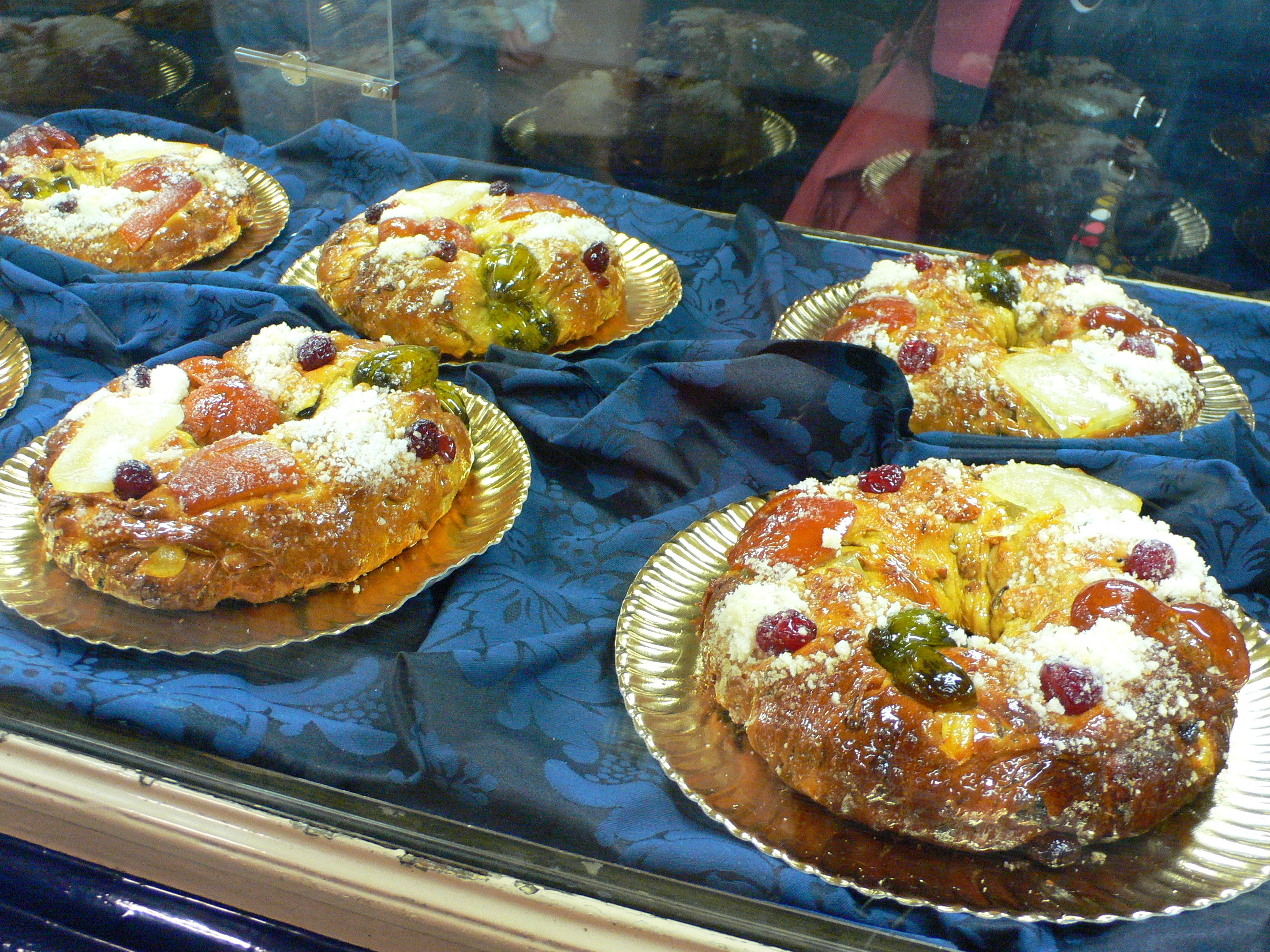
The original. The bakery making custard tarts since 1837 using the secret monastery recipe. Sells 20,000 tarts daily. Located in Belém district.
Why it's special: This is THE original recipe. Locals and tourists agree these are among the best (if not THE best) in Lisbon. The tarts are warm, perfectly flaky, custard is creamy and not too sweet.
The experience: There's always a line, but it moves fast. You can takeaway or sit in the massive blue-and-white azulejo-tiled cafe (hundreds of seats, usually minimal wait for table). Eating warm tarts here with coffee is a Lisbon ritual.
Cost: €1.50 per tart, or €9 for box of 6
Getting there: Tram 15 from central Lisbon to Belém (about 20 minutes)
Pro tip: Skip the takeaway line. Go inside to the sit-down cafe—you'll get served faster and eat them warm.
Manteigaria
The main competitor to Pastéis de Belém. Modern bakery (opened 2014) with locations all over Lisbon. You can watch bakers make tarts through the window.
Locations: Chiado (original), Bairro Alto, Time Out Market, Belém, Baixa
The verdict: Many locals prefer these. Slightly different texture, very fresh (made continuously), consistently excellent. Less touristy vibe than Belém.
Cost: Similar (€1.50-2 per tart)
Pro tip: The Chiado location on Rua do Loreto is perfect—central, you can watch them being made, always fresh batches.
Other Good Options:
- Fábrica da Nata – Multiple locations, good quality
- Confeitaria Nacional – Historic bakery (since 1829) in Baixa
- Nata Lisboa – Small chain, reliable quality
Reality check: You'll eat many pastéis de nata in Lisbon. Even mediocre ones are pretty good. The truly exceptional ones (Belém, Manteigaria) are worth seeking out, but don't stress about finding the "perfect" one—just eat them frequently.
Belém – Monuments and Maritime History

District along the Tagus River, west of central Lisbon. Home to Portugal's most important monuments commemorating the Age of Discovery when Portuguese sailors explored the world.
Jerónimos Monastery
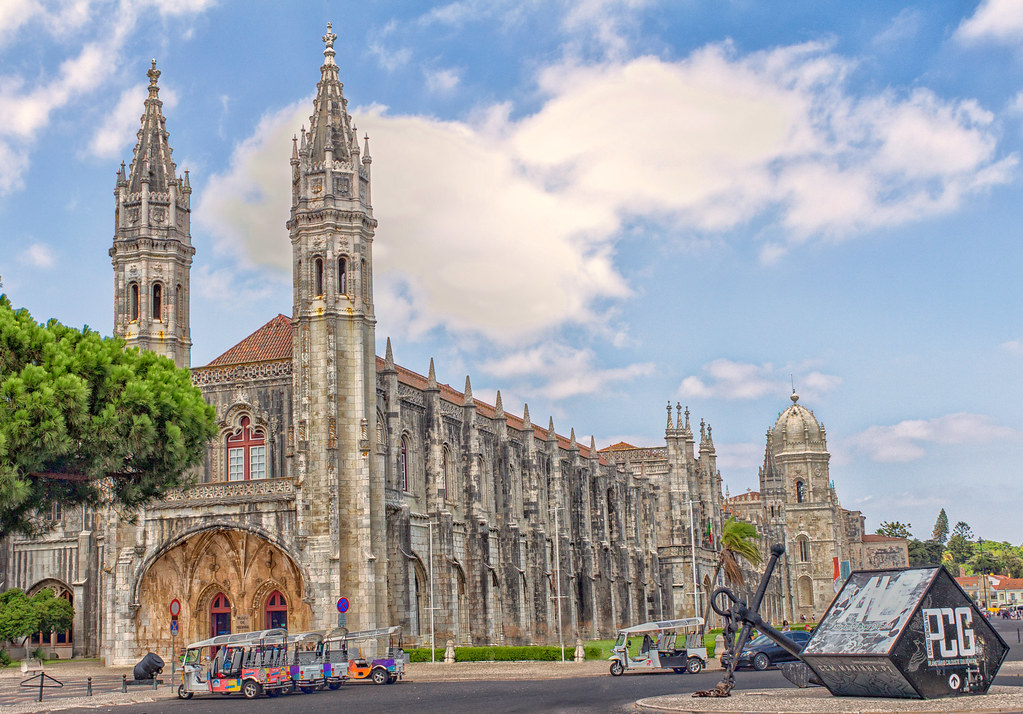
Massive Manueline-style monastery (UNESCO site) built in early 1500s to commemorate Vasco da Gama's voyage to India. Stunning architecture with maritime and exploration motifs.
What makes it special: The Manueline architectural style is uniquely Portuguese—ornate, detailed, incorporating ropes, anchors, sea creatures, exotic plants from discovered lands. The cloister is breathtaking.
Inside: Church (free), cloister (€10), tomb of Vasco da Gama, tomb of poet Luís de Camões, elaborate stone carvings
Cost: €10 for monastery, church free
Time needed: 1-2 hours
Pro tip: Lines can be long (especially summer). Get there early (9:30am opening) or buy skip-the-line tickets online.
Belém Tower (Torre de Belém)
16th-century fortified tower on the Tagus River. Built as defensive structure and ceremonial gateway. UNESCO site. Iconic symbol of Lisbon.
The architecture: Manueline style, Moorish influences, elaborate stonework, beautiful riverside setting
Inside: Five floors with narrow spiral stairs, small rooms, cannons, terrace with river views
Worth climbing? Views are nice but not essential. The exterior is the main attraction—very photogenic.
Cost: €6 | Time: 30-45 minutes
Pro tip: Get the combined ticket with Jerónimos (€12 for both, saves €4).
Monument to the Discoveries (Padrão dos Descobrimentos)
Massive riverside monument (1960) celebrating Portuguese explorers. Shaped like a ship's prow with statues of Henry the Navigator and other explorers.
The views: Elevator to top for panoramic views of Belém and the river.
Worth it? The monument itself is impressive from outside. Going up is optional—views are good but Jerónimos and castle have better ones.
Cost: €8 for observation deck
Getting to Belém:
- Tram 15 from Praça do Comércio (20 minutes, scenic along river)
- Train from Cais do Sodré to Belém station
- Walking from central Lisbon (about 1 hour along riverfront)
Belém itinerary: Start at Jerónimos Monastery (9:30am), visit Belém Tower (11am), eat pastéis at Pastéis de Belém (12pm), see Monument to the Discoveries (1pm). Takes half day.
Fado Music – Lisbon's Soul
Fado is Portugal's traditional music genre. It's melancholic, passionate, soulful—usually one singer accompanied by Portuguese guitar. Lyrics often about saudade (longing, nostalgia), the sea, lost love, fate.
Where fado was born: Alfama. Working-class neighborhood, sailors' taverns, 19th century origins.
The experience: Intimate taverns (casas de fado), candlelit atmosphere, singers perform between courses, respectful silence during performances. It's emotional, haunting, beautiful.
Where to hear fado:
Traditional Fado Houses:
- Clube de Fado (Alfama) – Historic casa, excellent performers, €35-45 including dinner
- A Baiuca (Alfama) – Tiny, authentic, sometimes spontaneous fado, cheaper
- Mesa de Frades (Alfama) – Former chapel, intimate, good food
Tourist vs. Authentic:
Touristy fado houses: Charge €30-50 minimum, include mediocre food, performances can be staged
Authentic tascas: Smaller, cheaper, spontaneous fado (locals sometimes join in), better atmosphere but harder to find
Pro tips:
Respect the silence – No talking during performances
Dinner included usually – Book ahead, arrives with minimum spend
Performances start 9-10pm
Budget €40-60 for dinner and fado
Lisbon Food Scene
Bacalhau (Salted Cod)
Portugal's national dish. Salted, dried cod fish. They say there are 365 ways to prepare it (one for each day of year).
Best preparations:
- Bacalhau à Brás – Shredded cod with potatoes, eggs, onions
- Pastéis de Bacalhau – Cod fritters, crispy outside, creamy inside
- Bacalhau com Natas – Cod in cream sauce, baked
Where: Every traditional Portuguese restaurant serves multiple bacalhau dishes.
Sardines (Sardinhas Assadas)
Grilled sardines. Simple, delicious, quintessentially Lisbon. Peak season is June (Santos Populares festival).
How they're served: Charcoal-grilled whole, with boiled potatoes, peppers, olive oil, and crusty bread
Where: Seafood restaurants, especially in summer. Ramiro is famous for seafood.
Bifana
Marinated pork sandwich. Portuguese fast food. Savory, messy, cheap (€3-5).
Where: Casual tascas, markets, late-night snack spots
Caldo Verde
Portuguese kale soup with potatoes and chorizo. Comfort food, hearty, cheap.
Ginjinha
Sour cherry liqueur. Lisbon specialty. Served in shot glasses (€1.50), often with a cherry at the bottom.
Where: Ginjinha bars in Baixa—Ginjinha Sem Rival, A Ginjinha (since 1840)
Pro tip: Locals drink it as a shot. Tourists sip it. Do either.
Getting Around Lisbon
Excellent public transit but also very walkable (if you can handle hills).
Metro
4 lines (Blue, Yellow, Green, Red). Covers major areas. Clean, efficient, affordable.
Tickets:
- Single: €1.80
- 24-hour: €7.15
- Viva Viagem card: €0.50 (reloadable, use on metro/buses/trams)
Pro tip: Get 24-hour or multi-day pass if using transit frequently.
Trams & Buses
Historic trams (28, 12, 15, 25) and modern trams/buses cover areas metro doesn't reach.
Tram 15 goes to Belém (scenic, less crowded than 28)
Walking
Central Lisbon is walkable but hilly. Alfama, Bairro Alto, Chiado all connected by steep streets and staircases.
Elevators/Funiculars: Lisbon has historic elevators and funiculars to help with hills:
- Elevador de Santa Justa – Neo-Gothic lift, connects Baixa to Bairro Alto, viewpoint on top (€5.30)
- Funicular da Bica, Glória, Lavra – Vintage funiculars climbing hills
Lisbon on a Budget
Lisbon is one of Western Europe's most affordable capitals.
Cheap eats: Pastéis de nata (€1.50), bifana sandwiches (€3-5), tascas (cheap local restaurants), Time Out Market (variety), supermarkets
Budget tips: Eat at tascas not touristy restaurants, drink ginjinha (€1.50 shots), picnic at miradouros, many viewpoints free, walk instead of metro, supermarket snacks
What things cost:
- Metro: €1.80
- Coffee: €0.80-1.50
- Beer: €2-4
- Pastel de nata: €1.50
- Bifana: €3-5
- Bacalhau meal: €12-18
- Fado dinner: €40-60
Budget: €40-60/day (hostel, cheap eats) or €80-120/day (mid-range comfort)
When to Visit Lisbon
Spring (March-May) – Perfect weather (18-24°C), flowers blooming, fewer crowds than summer
Summer (June-August) – Hot (28-35°C), peak tourist season, crowded, higher prices, Santos Populares festival (June)
Fall (September-October) – Still warm, fewer tourists, perfect conditions
Winter (November-February) – Mild (12-17°C), rainy, fewer tourists, cheaper, still pleasant for sightseeing
Recommendation: May-June or September-October for perfect balance. Avoid July-August if you hate heat and crowds.
The Bottom Line on Lisbon
Lisbon is charming, soulful, affordable, and uniquely Portuguese. It's vintage yellow trams rattling through medieval alleyways. It's warm pastéis de nata with cinnamon. It's fado music in candlelit taverns. It's azulejo tiles covering every surface. It's miradouros with golden-hour views. It's saudade—that beautiful Portuguese melancholy.
This is a city where you can wander Alfama's medieval maze in the morning, eat fresh seafood by the river at lunch, watch sunset from a hilltop miradouro, and hear soul-stirring fado at night. All while spending less than you would in Paris, London, or Rome.
My advice? Spend at least 3 days. Get lost in Alfama. Ride Tram 28 early morning. Eat pastéis de nata at both Belém and Manteigaria (compare). Visit Belém for monuments. Watch sunset from Senhora do Monte. Hear fado in a tiny Alfama tavern. Drink ginjinha. Walk everywhere your calves will allow. Let Lisbon's golden light and melancholic soul work their magic.
This city will charm you with its hills, feed you custard tarts, move you with fado, and leave you longing to return. That's saudade.
Quick Lisbon Checklist
Must-Do:
- Get lost in Alfama
- Ride Tram 28 (early morning)
- Eat pastéis de nata at Pastéis de Belém
- Jerónimos Monastery
- Belém Tower
- Sunset from miradouro (Senhora do Monte)
- Hear live fado in Alfama
- Try bacalhau
- Drink ginjinha
- Walk along Tagus riverfront
If You Have Time:
- São Jorge Castle
- LX Factory (art space)
- Time Out Market
- Day trip to Sintra
- Beach at Cascais
- Bairro Alto nightlife
- Pink Street
- National Tile Museum
Skip:
- Touristy restaurants near castle
- Paying €5 for Santa Justa elevator (just walk up)
Ready for Lisbon? Bring comfortable shoes for hills, appetite for custard tarts, and openness to fado's melancholy beauty. Até logo! 🇵🇹