
You arrive in Hamburg and feel it immediately—this is a port city. The Elbe River flows wide and industrial. Container ships pass by. Cranes dominate the skyline. You walk through Speicherstadt—red brick warehouse district from the 1800s, canals threading between buildings, UNESCO World Heritage Site now housing museums and cafés. You enter Miniatur Wunderland and lose three hours watching tiny trains, planes, and 260,000 miniature figures going about their lives. You walk to the Elbphilharmonie—striking glass concert hall rising like a wave, free escalator ride to viewing platform with harbor views. Sunday at 5am, you drag yourself to the Fischmarkt (Fish Market)—vendors shouting, live music in the market hall, locals buying flowers and fish after clubbing all night. You experience the Reeperbahn—Hamburg's famous red-light district, neon lights, clubs, bars, Beatles history, more sophisticated than seedy. You take a harbor cruise past massive container terminals. You eat Fischbrötchen (fish sandwich) at the harbor. This is Hamburg—gritty and sophisticated, working port and cultural capital, where maritime history meets modern energy.
This is not Munich or Berlin.
Hamburg is Germany's port city (second-largest city, Europe's third-largest port, maritime identity defines everything). It's Miniatur Wunderland (world's largest model railway, adults spend hours here mesmerized). It's Speicherstadt UNESCO beauty (red brick warehouse district, canals, converted to museums/cafés/attractions). It's the Elbphilharmonie (stunning modern concert hall, architectural marvel, symbol of new Hamburg). It's Sunday Fish Market tradition (starts 5am, vendors shout, live music, locals party all night then buy flowers at dawn). It's the Reeperbahn (famous nightlife district, Beatles history, surprisingly classy). And it's proudly working-class—Hamburg is wealthy but unpretentious, sophisticated but gritty, elegant but real.
I've been here multiple times. The port energy surprised me—this isn't a pretty tourist city, it's a working harbor that happens to be beautiful. Miniatur Wunderland exceeded all expectations (seriously, go). The Fish Market is chaotic magic. The Elbphilharmonie views are free and stunning. You'll ride harbor ferries. You'll walk Speicherstadt's canals. You'll understand why Hamburgers are proud and slightly standoffish—they've got Europe's biggest port to run.
Here's everything you need to know.
The Hamburg Moments That'll Stay With You
Three Hours at Miniatur Wunderland You entered thinking "it's a model train exhibit, I'll stay 30 minutes." Three hours later, you're still watching tiny planes take off, miniature cars drive on highways, a chocolate factory with working conveyor belt, a space shuttle launching. 260,000 tiny figures live their lives—someone's getting married, someone's protesting, someone's committing a crime the tiny police are investigating. Day turns to night every 15 minutes (15,000 lights dim and glow). This is the most elaborate, detailed, mesmerizing thing you've seen. You're an adult. You don't care. This is amazing.
Sunday 5am Fish Market Chaos Your alarm goes off at 4:30am Sunday. You curse your life choices. You drag yourself to Fischmarkt. Suddenly you're awake—vendors shouting deals in German, throwing bananas at you, live band playing in the market hall at 5am, clubbers still drunk from Saturday night buying flowers, locals grocery shopping, tourists confused. Someone buys an entire crate of mangoes. The band plays rock covers. You eat a fish sandwich. The sun rises over the Elbe. This is Hamburg tradition—chaotic, loud, uniquely northern German.
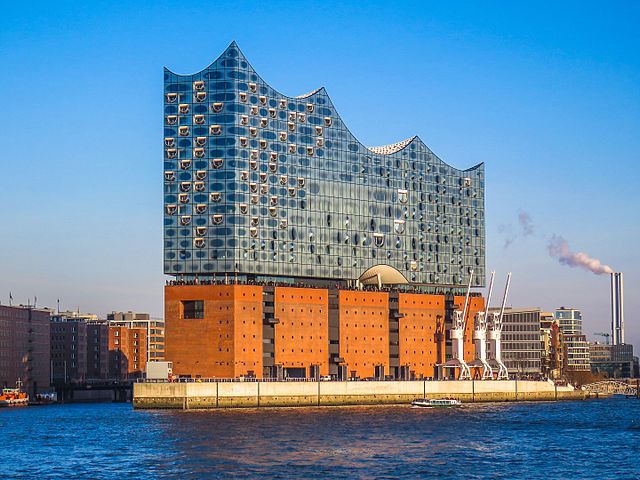
Free Elbphilharmonie Views You take the world's longest curved escalator up through the Elbphilharmonie. No ticket needed—the public viewing platform is free. You emerge 37 meters up, glass walls all around. Hamburg harbor spreads before you—container ships, cranes, the Elbe, city skyline. The architecture is stunning. The views are free. Hamburg did something right here.
Speicherstadt at Night You're walking through Speicherstadt at dusk. The red brick warehouses glow under lights. Canals reflect the buildings. It's quiet, atmospheric, beautiful. This UNESCO World Heritage Site feels like stepping into another era—1800s warehouse district now housing museums, cafés, offices. The Katharinenkirche church tower rises in the background. This is Hamburg's historic heart, preserved and lovely.
Reeperbahn After Dark You're on the Reeperbahn—Hamburg's famous red-light district. But it's not seedy—it's surprisingly classy. Neon lights, clubs, bars, restaurants, theaters. People in suits next to club-goers. Beatles history markers everywhere (they played clubs here before fame). Women-only street (Herbertstraße) with barriers. This is Hamburg nightlife—famous, historic, more sophisticated than its reputation.
Miniatur Wunderland – World's Largest Model Railway
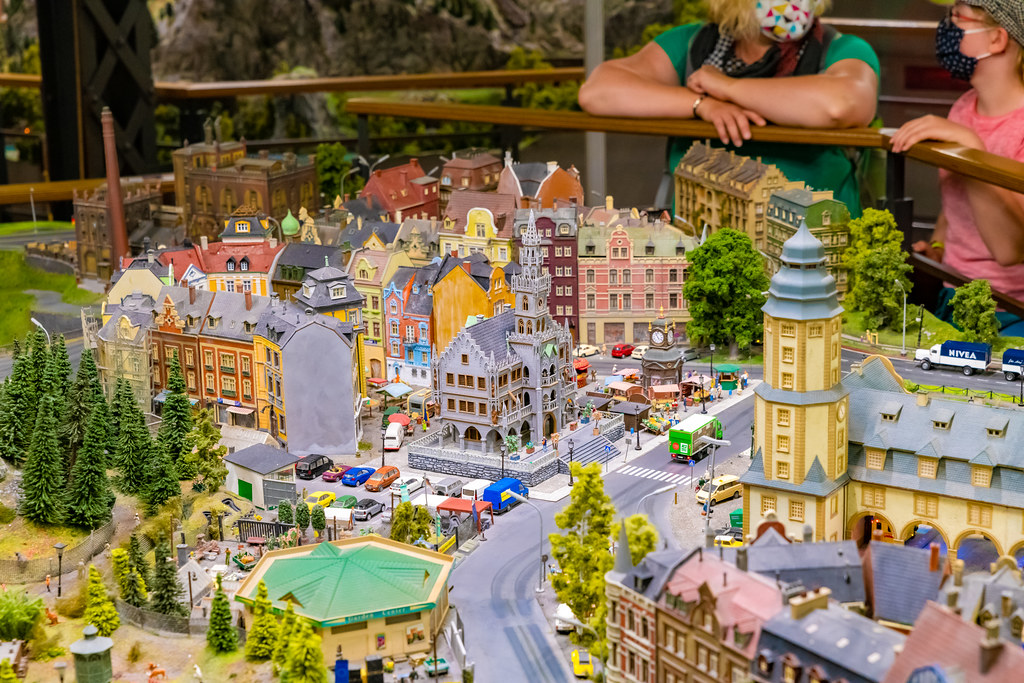
Miniatur Wunderland is the world's largest model railway—but that description undersells it. This is a miniature world with trains, planes, cars, ships, 260,000 hand-painted figures, and obsessive German attention to detail.
The Scale:
Size: 1,545 square meters (16,630 sq ft) of miniature world
Track length: 15.4 km of model railway track
Trains: 1,040 trains running on the track
Figures: 260,000+ miniature people
Vehicles: 10,000+ cars (many moving on magnets under the layout)
Lights: 500,000+ LEDs (day/night cycle every 15 minutes)
Sections: Germany, Austria, Switzerland, Scandinavia, USA, Italy, France, Monaco, Hamburg, Knuffingen Airport (with planes that actually take off and land)
Why It's Incredible:
This isn't just trains going in circles. This is:
- Working airport – Planes taxi, take off, and land automatically
- Day/night cycles – Every 15 minutes, 500,000 lights dim to simulate night
- Miniature stories – Hidden Easter eggs everywhere (someone getting arrested, concerts happening, protests, accidents, parties)
- Moving vehicles – Cars drive highways using magnets
- Interactive buttons – Press buttons to trigger events (fire trucks arrive, festivals start)
- Chocolate factory – Working miniature factory with conveyor belt
- Space shuttle launch – Yes, really
Adult appeal: You think "it's for kids." Then you spend three hours finding hidden details, watching the airport system work, following individual miniature people's stories. Adults are more obsessed than children.
Visiting:
Location: Speicherstadt (warehouse district)
Cost: €20 adults, €12.50 kids (book online ahead—sells out)
Hours: 9:30am-6pm most days (check website)
Time needed: Plan 2-3 hours minimum (people stay longer)
Pro tips:
Book online ahead – Walk-in tickets often sold out
Go early or late – Midday is most crowded
Bring curiosity – Hidden details everywhere, look closely
Photography allowed – No flash, but take all the photos
Café inside – If you need a break (you won't want one)
Why it's worth it: Even if you don't care about trains, the craftsmanship, detail, and sheer scale make this unmissable. This is peak German engineering applied to model railways. You'll be mesmerized.
Speicherstadt – UNESCO Warehouse District
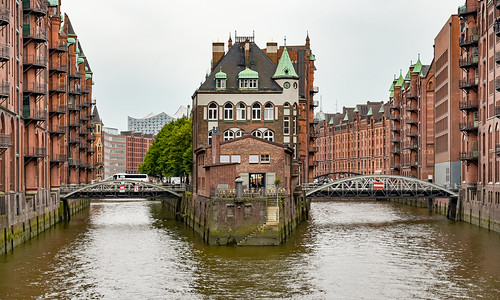
Speicherstadt (literally "warehouse city") is the world's largest warehouse district—red brick buildings from late 1800s, built on pilings, canals running between them.
The History:
Built: 1883-1927
Purpose: Free port warehouses for storing goods (coffee, tea, spices, tobacco, carpets)
Architecture: Neo-Gothic red brick, distinctive pointed roofs, canals for boat access
Today: UNESCO World Heritage Site (since 2015), converted to museums, offices, cafés, attractions
What's Here:
Miniatur Wunderland – (covered above, the main attraction)
Speicherstadt Museum – History of the warehouse district
Dialogue in the Dark – Experience exhibition in complete darkness (90 minutes, interesting)
Hamburg Dungeon – Touristy horror attraction (skippable unless you love these)
Cafés and restaurants – Atmospheric spots in converted warehouses
Katharinenkirche – Beautiful church tower visible throughout the district
Why It's Special:
Speicherstadt feels different from the rest of Hamburg—quieter, historic, atmospheric. The red brick buildings over canals create a unique aesthetic. At night when lit up, it's particularly beautiful.
Free to walk around – No entry fee to explore the district, just wander the streets and bridges.
Visiting:
Time needed: 1-2 hours to walk around, longer if visiting attractions
Best time: Evening/night for lighting, or early morning for peaceful atmosphere
Pro tip: Combine with Miniatur Wunderland visit—they're in the same district.
Elbphilharmonie – Hamburg's Architectural Marvel
The Elbphilharmonie (Elbe Philharmonic Hall) is Hamburg's most striking modern building—glass wave structure sitting atop an old brick warehouse.
The Facts:
Opened: 2017 (construction started 2007, way over budget and behind schedule—very un-German)
Cost: €789 million (originally planned €77 million—oops)
Architects: Herzog & de Meuron
Height: 110 meters (360 ft)
Style: Modern glass structure on historic brick warehouse base
Function: Concert halls, hotel, apartments, public viewing platform
Why It Matters:
The Elbphilharmonie is Hamburg's statement piece—"we're a modern, cultural city, not just a working port." The wave-like glass roof reflects Hamburg's maritime identity. The architecture is stunning. The location (right on the harbor) is perfect.
The Free Public Platform
Best part: The Plaza viewing platform is free and open to the public (no concert ticket needed).
Access: Take the world's longest curved escalator (Tube) 37 meters up through the building
Views: 360° views of Hamburg harbor, Elbe River, city, container terminals
Hours: Plaza open 9am-midnight daily
Time: 20-30 minutes (longer if you linger for views)
Pro tips:
Free but register online – Get time slot ticket (free, prevents overcrowding)
Sunset timing – Best light for photos and views
Architecture nerds – The escalator and building design are as impressive as the views
Bring camera – Harbor views from 37 meters up are stunning
Concerts:
If you want to experience the acoustics (world-class), book a concert ticket (€20-200+ depending on performance and seats). The main concert hall is renowned for incredible sound design.
Worth visiting: Absolutely—even just for the free Plaza views. The architecture alone is impressive, and the harbor panorama is beautiful.
Fischmarkt – Sunday Morning Tradition
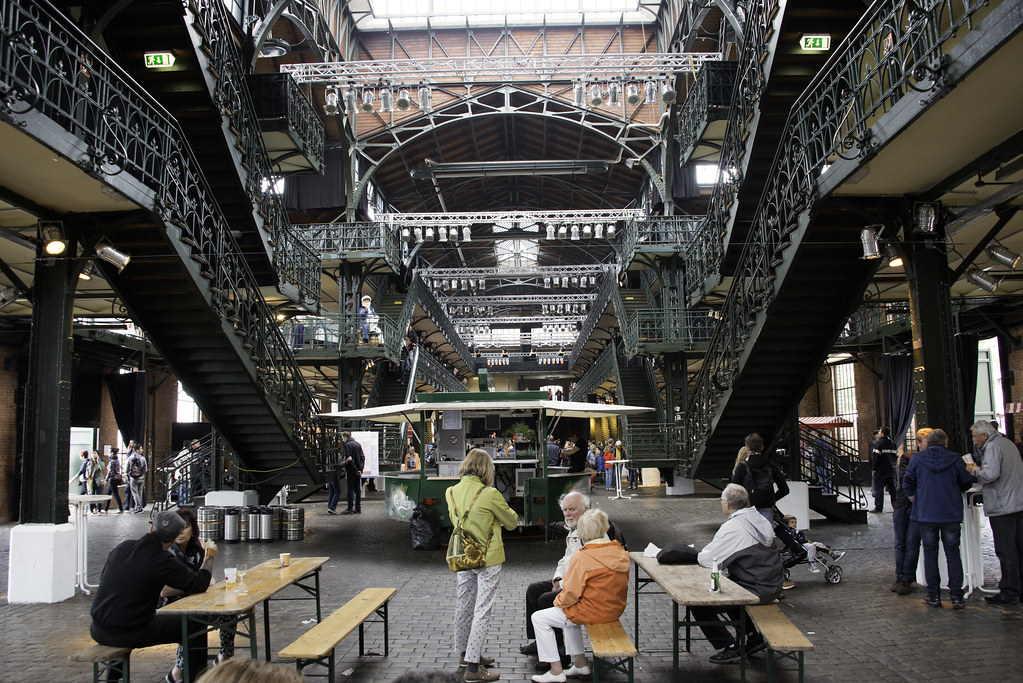
The Fischmarkt (Fish Market) is a Hamburg institution—Sunday morning market starting at 5am (yes, really), vendors shouting, live music, locals and tourists together.
The Tradition:
When: Sunday mornings only
Hours: - April-October: 5am-9:30am
- November-March: 7am-9:30am
Location: St. Pauli, near the harbor (Große Elbstraße)
History: Been happening since 1703 (over 300 years)
What Happens:
Vendors shouting deals – Charismatic sellers yelling in German, throwing fruit, selling in bulk (buy whole crates of bananas cheap)
Fish, produce, flowers – Fresh fish, fruits, vegetables, plants, flowers, clothing, random stuff
Live music in Fischauktionshalle – The fish auction hall has a live band playing rock/pop covers starting at 6am (people dance)
Post-clubbing culture – Many attendees are locals coming straight from Saturday night clubbing (still drunk, buying flowers at 5am)
Fischbrötchen – Fresh fish sandwiches, perfect breakfast/hangover cure
The Vibe:
Chaotic, loud, fun, uniquely Hamburg. Vendors are entertainers—they joke, sing, perform while selling. The crowd is mixed—tourists, locals, clubbers, families, early risers.
Visiting Tips:
Go EARLY – 5-6am is peak chaos, best atmosphere
Fish auction hall – Go inside for live music and dancing
Try Fischbrötchen – Fish sandwich, Hamburg specialty
Bring cash – Many vendors cash-only
Morning beer – Locals drink beer at 6am (it's Sunday tradition)
Dress warm – It's cold at dawn, especially by the harbor
Worth waking up for? Absolutely. This is Hamburg culture—working-class, maritime, fun, unpretentious. Even if you're not buying anything, the atmosphere alone is worth the early alarm.
Reeperbahn – Hamburg's Famous Nightlife District
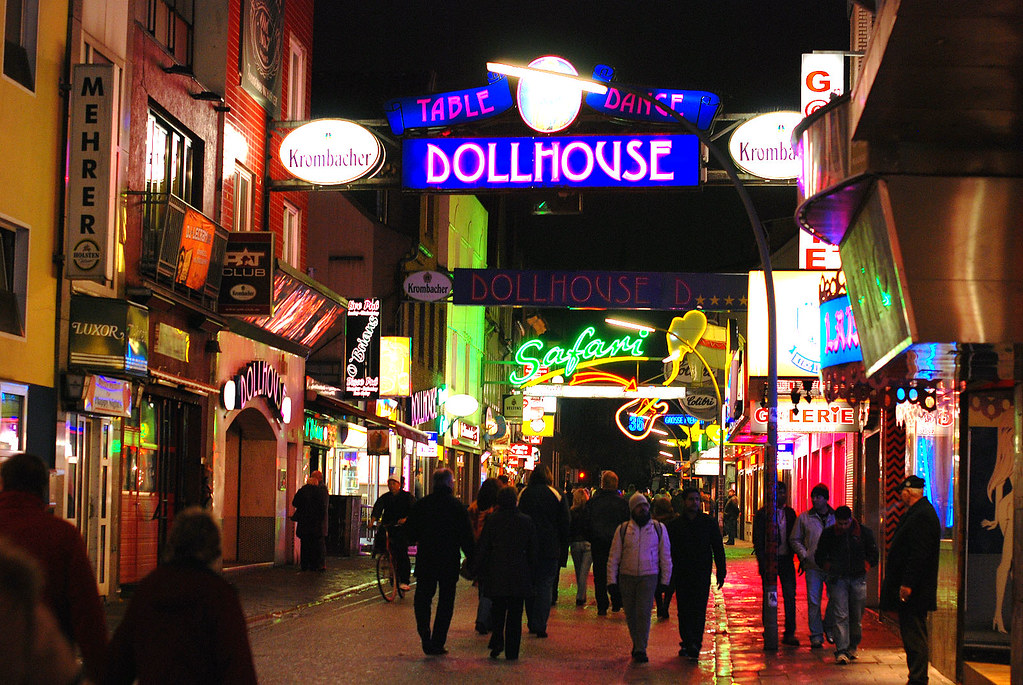
The Reeperbahn is Hamburg's red-light and entertainment district—famous worldwide, more sophisticated than seedy, historic and modern at once.
What It Is:
Location: St. Pauli district
Reputation: Red-light district, clubs, bars, theaters, adult entertainment
Reality: Mix of everything—classy restaurants next to strip clubs, theaters next to bars, history next to modern clubs
Beatles connection: The Beatles played clubs here (Star Club, Indra Club) in early 1960s before fame
What to Expect:
Neon lights – Classic red-light district aesthetic
Mixed crowd – Tourists, locals, suits from business dinners, club-goers, theater attendees
Herbertstraße – Women-only street (barriers at both ends, prostitution legal and regulated in Germany, curious tourists look but don't enter)
Clubs and bars – Everything from dive bars to upscale clubs
Theaters – St. Pauli Theater, Schmidt Theater (musical theater, comedy)
Restaurants – Good food options surprisingly
Beatles History Tour:
Star Club – Where Beatles played 1962 (club no longer exists, plaque marks location)
Indra Club – First club they played in Hamburg (building still there)
Große Freiheit street – Beatles lived and played here, now full of clubs
Beatles-Platz – Small plaza with Beatles statue
Safety:
Hamburg's Reeperbahn is generally safe—well-lit, police presence, regulated. Use common sense:
- Don't flash money/valuables
- Watch your drinks
- Stick to main streets
- Avoid overly aggressive touts
- Respect the Herbertstraße barriers
Visiting Tips:
Go after dark – That's when it comes alive
Walk Große Freiheit – Side street with clubs, bars, history
Live music – Many bars have bands
Bar hopping – Explore different venues
Neon photo ops – Classic urban night photography
Easy U-Bahn access – St. Pauli station, Reeperbahn station
Worth visiting? Yes—even if you're not into the red-light aspect, the energy, history, and nightlife are uniquely Hamburg. It's part of the city's identity.
Hamburg Harbor – Working Port City
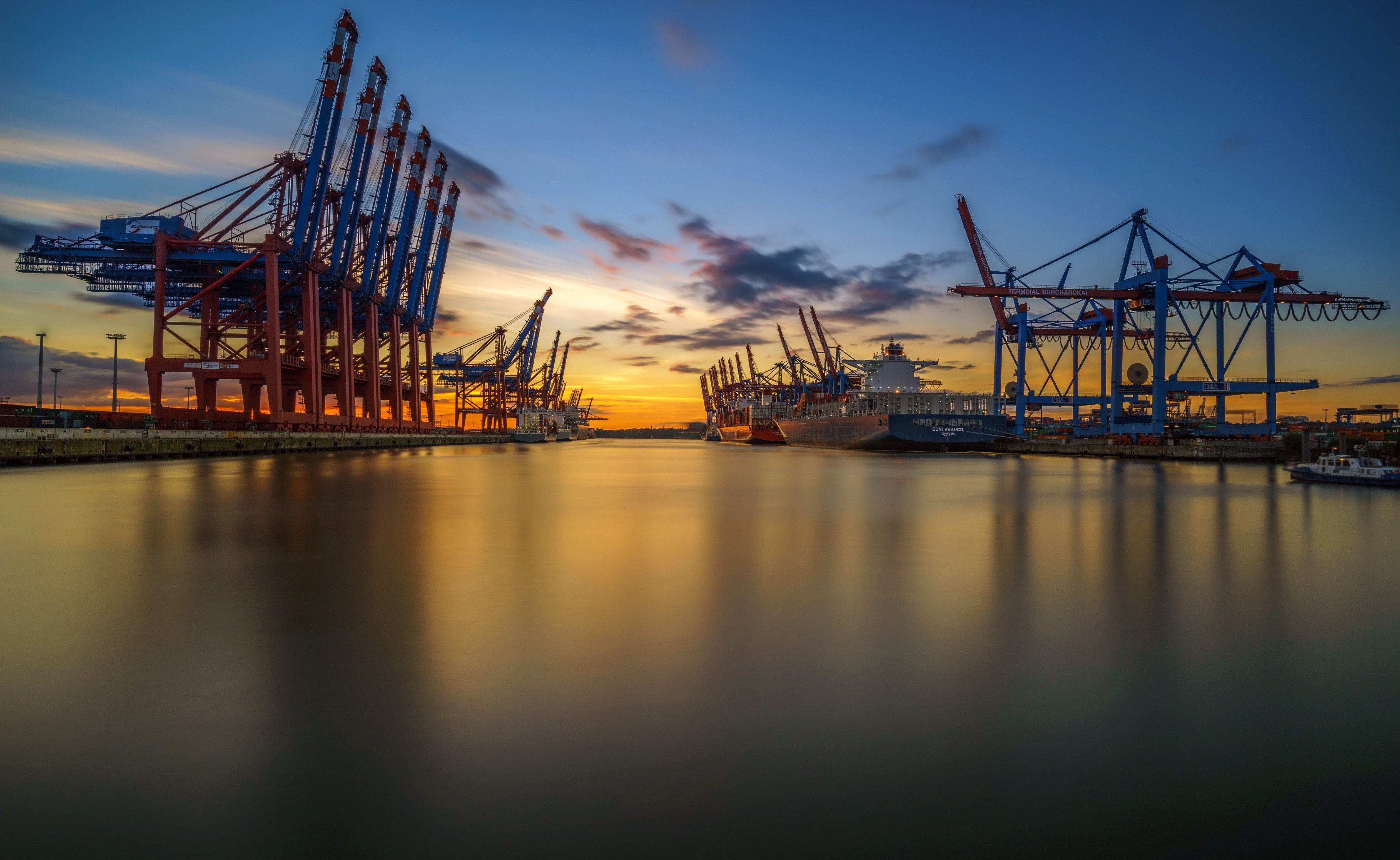
Hamburg is Germany's largest port and Europe's third-largest (after Rotterdam and Antwerp). The harbor defines the city.
Harbor Tours
Harbor boat tours are the best way to see Hamburg's maritime side.
Options:
Large tour boats – 1-hour tours, €18-25, commentary in German/English
Smaller boats – More intimate, sometimes more interesting routes
Public ferries (HVV Line 62) – Cheapest option (€3.50 single ticket), no commentary but same views, locals use it
What You'll See:
Container terminals – Massive ships loading/unloading containers
Historic harbor areas – Old warehouses, restored ships
Speicherstadt from water – Best view of the warehouse district
Elbphilharmonie from water – The building is most impressive from the harbor
Working port – Cranes, shipyards, industrial Hamburg
Landungsbrücken piers – Historic floating pontoons, harbor entrance
Landungsbrücken
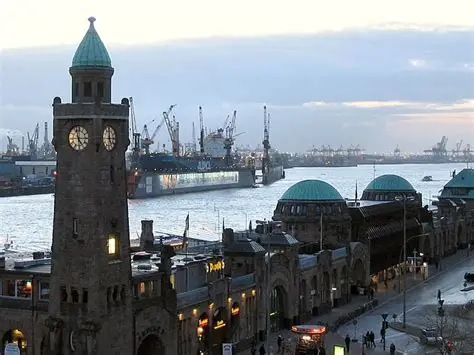
The Landungsbrücken (Landing Bridges) are Hamburg's main harbor piers—historic floating pontoons, always busy, very Hamburg.
What's here:
- Tour boat departure points
- Ferry connections (HVV public transport)
- Restaurants and fish sandwich stands
- Old Elbe Tunnel entrance (historic tunnel under the Elbe, free to walk through)
- View of harbor, ships, Elbphilharmonie
Fischbrötchen – Buy a fresh fish sandwich here (€4-6), Hamburg specialty, eat by the water
Old Elbe Tunnel (Alter Elbtunnel)
Historic pedestrian tunnel under the Elbe River, built 1907-1911.
Why visit: Free, historic, unique architecture (Art Nouveau tile work), leads to other side of Elbe with views back to Hamburg skyline
Time: 15-20 minutes to walk through tunnel and back
Hamburg Food – Maritime Flavors
Fischbrötchen
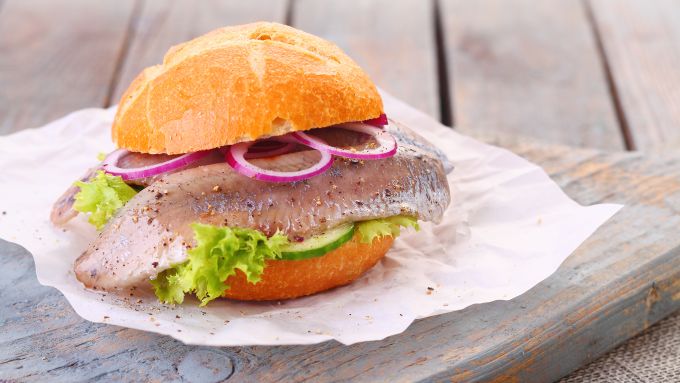
The Hamburg food—fresh fish sandwich.
What it is: Fresh fish (usually fried, sometimes pickled or smoked) in a bread roll (Brötchen), various preparations
Where to get it:
- Brücke 10 – Near Landungsbrücken, famous stand
- Daniel Wischer – Multiple locations, local chain, good quality
- Fish Market – Sunday mornings, fresh as it gets
Cost: €4-7
Best versions:
- Backfisch – Fried fish (classic)
- Bismarck – Pickled herring
- Räucherfisch – Smoked fish
Pro tip: Eat it standing at the harbor watching ships. That's the authentic experience.
Other Hamburg Specialties:
Labskaus – Corned beef, potatoes, beetroot mashed together, pickled herring and egg on top (looks weird, tastes good, sailor food)
Franzbrötchen – Cinnamon pastry roll (Hamburg's answer to cinnamon bun, unique shape)
Matjes – Pickled herring (very northern German)
Birnen, Bohnen und Speck – Pears, green beans, and bacon stew (northern German comfort food)
Where to Eat:
Traditional Hamburg:
- Altes Mädchen – Craft beer brewery restaurant, hearty food
- Bullerei – Tim Mälzer's restaurant (famous TV chef), modern German
- Fischereihafen Restaurant – Harbor views, fresh fish, touristy but good
Fish sandwich stands – Brücke 10, Daniel Wischer
Portuguese quarter (Viertel) – Multiple Portuguese restaurants (Hamburg has large Portuguese community)
Getting Around Hamburg
Hamburg has excellent public transport—U-Bahn (subway), S-Bahn (commuter rail), buses, ferries.
Tickets (HVV System):
Single ticket: €3.50 (central zones)
Day ticket: €8.60 (unlimited, valid until 6am next day)
Group day ticket: €13.90 (up to 5 people)
9am day ticket: €6.80 (valid from 9am weekdays, all day weekends—cheapest day option)
Where to buy: Ticket machines at stations, HVV app, on buses (cash)
Key Lines:
U3 – Elevated line through St. Pauli, Landungsbrücken, harbor views
Ferry Line 62 – Public ferry, cheapest harbor tour (regular HVV ticket)
S1/S3 – Connect airport to city center
Pro Tips:
Use Ferry 62 – Cheaper than tour boats, same views
Day ticket worth it – If making 3+ trips
HVV app – Buy tickets on phone
Bike-friendly – Hamburg has good bike lanes, rentals available
When to Visit Hamburg
Spring (April-May) – Harbor Birthday festival (May), pleasant weather, outdoor life starts
Summer (June-August) – Best weather, outdoor beer gardens, harbor tours most enjoyable, longest days
Fall (September-October) – Still decent weather, fewer tourists, Dom fair (huge carnival)
Winter (November-March) – Cold, wet, gray—but Christmas markets, fish market still happens, authentic Hamburg
Recommendation: May-September for weather and harbor life. May for Harbor Birthday festival (Hafengeburtstag—massive 3-day party celebrating harbor). December for Christmas markets.
Weather reality: Hamburg is northern, maritime climate—it rains frequently year-round. Bring rain jacket regardless of season.
Hamburg on a Budget
Hamburg is more expensive than Dresden but cheaper than Munich.
What Things Cost:
Restaurant meal: €12-25
Fischbrötchen: €4-7
Beer: €4-6 at bars
Miniatur Wunderland: €20
Harbor tour: €18-25 (or €3.50 ferry)
Day transport pass: €8.60
Group day ticket: €13.90
Hostel: €25-40/night
Hotel: €80-150/night
Budget Tips:
Take Ferry 62 – €3.50 harbor tour vs €20+ tour
Elbphilharmonie Plaza – Free views, just register online
Fish sandwich lunch – €5-7, filling, delicious
9am day ticket – €6.80 vs €8.60 regular (if starting travel after 9am weekdays)
Speicherstadt walking – Free to explore district
Daily budget:
- Budget: €60-90 (hostel, fish sandwiches, public transport, some attractions)
- Mid-range: €120-180 (hotel, restaurants, attractions, harbor tour)
- Comfortable: €200+ (nice hotel, all attractions, restaurants, shows)
The Bottom Line on Hamburg
Hamburg surprised me. I expected industrial grit—I got that, but also sophistication, culture, and unexpected charm. Miniatur Wunderland alone is worth visiting Hamburg (seriously, it's that good). The Sunday Fish Market is chaotic joy. The Elbphilharmonie provides free stunning views. Speicherstadt's red brick beauty contrasts the working harbor. The Reeperbahn delivers nightlife and history. Fresh Fischbrötchen by the harbor tastes like Hamburg should taste—maritime, real, unpretentious.
This is Germany's second city that doesn't try to compete with Berlin or Munich—it does its own thing. Port city pride runs deep. Hamburgers are reserved, direct, proud of their maritime heritage. The city works hard (literally—Europe's third-largest port) and plays hard (Reeperbahn, Fish Market, festivals).
My advice? Spend 2-3 days minimum. Dedicate serious time to Miniatur Wunderland (2-3 hours minimum, book ahead). Wake up stupid-early on Sunday for the Fish Market (5-6am, worth it). Take the free escalator up the Elbphilharmonie for views. Walk Speicherstadt at dusk. Take a harbor ferry (line 62 is cheap). Eat multiple Fischbrötchen. If nightlife interests you, explore the Reeperbahn after dark. Let Hamburg show you that working ports can be beautiful, that model railways can mesmerize adults, that 5am fish markets with live bands make sense.
Hamburg doesn't need to convince you it's great. It knows it is. The port keeps running.
Quick Hamburg Checklist
Must-Do:
- Miniatur Wunderland (book ahead!)
- Sunday Fish Market (wake up early)
- Elbphilharmonie Plaza (free views)
- Harbor ferry or boat tour
- Fischbrötchen at Landungsbrücken
- Speicherstadt walking tour
- Reeperbahn exploration
If You Have Time:
- Old Elbe Tunnel walk
- Planten un Blomen park
- St. Michaelis Church tower climb
- International Maritime Museum
- Beatles history tour
- Harbor Birthday festival (if visiting in May)
Don't Miss:
- Miniatur Wunderland – Worth the Hamburg trip alone
- Fish Market Sunday morning – Unique Hamburg tradition
- Free Elbphilharmonie views – Register online, take escalator up
Budget Hacks:
- Ferry Line 62 (€3.50 harbor tour)
- Elbphilharmonie free (not the concerts)
- Speicherstadt free to walk
- 9am day ticket (€6.80 vs €8.60)
- Fish sandwich lunch (€5-7, filling)
Ready for Hamburg? Bring curiosity for miniature worlds, willingness to wake at 5am on Sunday, and appetite for fish sandwiches. The harbor city awaits. Moin! 🇩🇪