

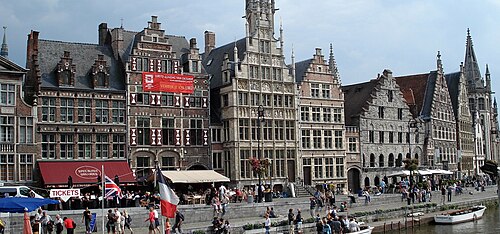
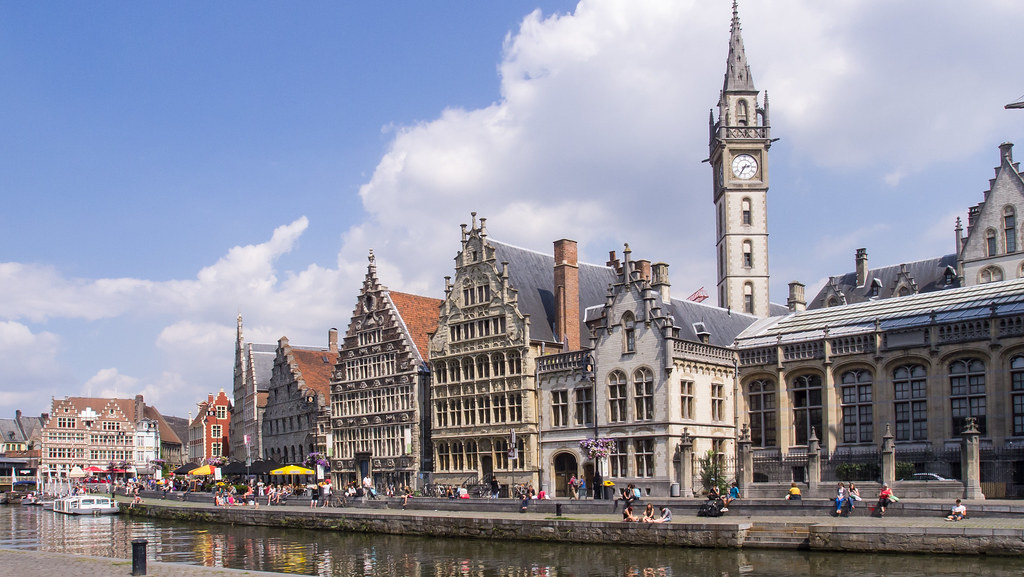
You stand on Saint Michael's Bridge and look out over the Graslei and Korenlei — two rows of medieval guild houses facing each other across the Leie river, a castle visible in the distance — and it genuinely rivals Bruges for beauty while drawing a fraction of the tourists. Ghent is Belgium's third-largest city and, for many repeat visitors to the region, the preferred alternative to Bruges precisely because it feels lived-in rather than preserved as a museum piece — a real university city with medieval bones, not just a postcard.
This is not a smaller, lesser version of Bruges.
Ghent is the Graslei and Korenlei (the postcard riverside view that rivals anything in Bruges, minus the crowds). It's Gravensteen Castle (a genuine medieval fortress you can actually walk through, moat and all). It's a real university city (a large student population keeps the nightlife and food scene younger and less tourist-oriented than Bruges). And it's compact enough to see well in a day while rewarding a slower, more exploratory pace if you have one to give it.
Here's everything you need to know.
The Ghent Moments That'll Stay With You
The View from Saint Michael's Bridge Graslei on one side, Korenlei on the other, Gravensteen Castle visible in the distance — genuinely one of the best single views in Belgium, and far less crowded than Bruges' equivalent spots.
Walking Through Gravensteen Castle A real medieval fortress, complete with a moat, that you can actually explore room by room, including a small (slightly grim) museum of medieval justice and punishment inside.
Climbing Belfry of Ghent Ghent has its own UNESCO-listed belfry, taller than Bruges' and with an elevator most of the way up — a real alternative if the idea of 366 spiral steps in Bruges doesn't appeal.
Eating in a Student Neighborhood Ghent's large university population means genuinely good, affordable food in areas that don't feel built exclusively for tourists — a different texture from Bruges' more polished center.
Getting There and Getting Along
Ghent sits between Brussels and Bruges, making it easy to combine with either (or both) in a longer Belgium trip from the Ramstein/KMC/Spangdahlem/Baumholder area. The historic center is compact and walkable, with the Graslei/Korenlei riverside, Gravensteen Castle, and the Belfry all within easy walking distance of each other.
Getting around once you're there:
- The historic center is entirely walkable
- Ghent has an active tram network for anything further out
- Canal boat tours run here too, a quieter alternative to Bruges' more crowded version
The Top Attractions
Graslei and Korenlei Two rows of medieval and Renaissance guild houses facing each other across the Leie river — Ghent's signature view, best appreciated from Saint Michael's Bridge or from a canal boat at water level.
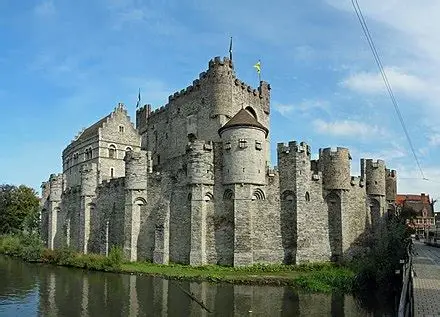
Gravensteen Castle A genuine medieval fortress with a moat, open for walking through room by room — one of the few castles in Belgium you can explore this thoroughly.
Belfry of Ghent A UNESCO-listed bell tower, taller than Bruges' equivalent, with an elevator covering most of the climb — worth doing for the views without the full stair effort of Bruges' Belfort.
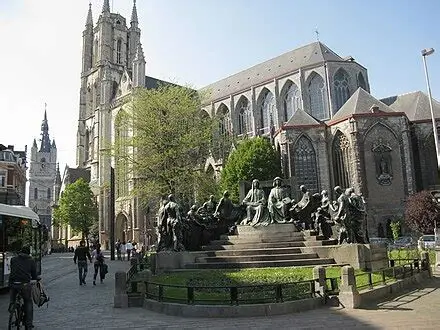
Saint Bavo's Cathedral Home to the Ghent Altarpiece, one of the most significant works of early Flemish painting — a genuine art-history landmark inside an impressive Gothic cathedral.
Food and Student Life
Ghent's large student population keeps prices more reasonable and the food scene younger and less tourist-focused than Bruges — a good place to look for a casual, affordable meal rather than only the polished restaurants clustered around the main squares.
Practical Tips
English is spoken widely, especially around the university areas. Ghent is noticeably less crowded than Bruges even in peak season, making it a good choice if you want the same medieval-Flanders atmosphere without fighting through tour groups.
When to Visit
Spring and Fall — Good weather, comfortable walking conditions, genuinely uncrowded compared to Bruges.
Summer — Warm and pleasant, though Ghent hosts a well-known summer festival (Gentse Feesten) that brings significant crowds and street life for about ten days in July — worth knowing whether you want to catch it or avoid it.
Winter — Quiet and atmospheric, with a smaller, more local-feeling Christmas market than Bruges' bigger draw.
Quick Ghent Checklist
- View the Graslei and Korenlei from Saint Michael's Bridge
- Walk through Gravensteen Castle
- Climb (or elevator up) the Belfry of Ghent
- See the Ghent Altarpiece in Saint Bavo's Cathedral
- Eat in a student-neighborhood restaurant rather than only the tourist center
The Bottom Line
Ghent deserves to be more than an afterthought to Bruges — it's arguably just as beautiful, genuinely less crowded, and has a livelier, more lived-in character thanks to its student population. If you're already planning a Belgium trip from the Ramstein/KMC area, adding Ghent alongside Bruges (they're close enough to combine) rounds out the trip well.
Planning day trips from your base? See our Day Trips guide for more destinations within driving distance, and our PCS Guide to Germany for everything else about settling in.