
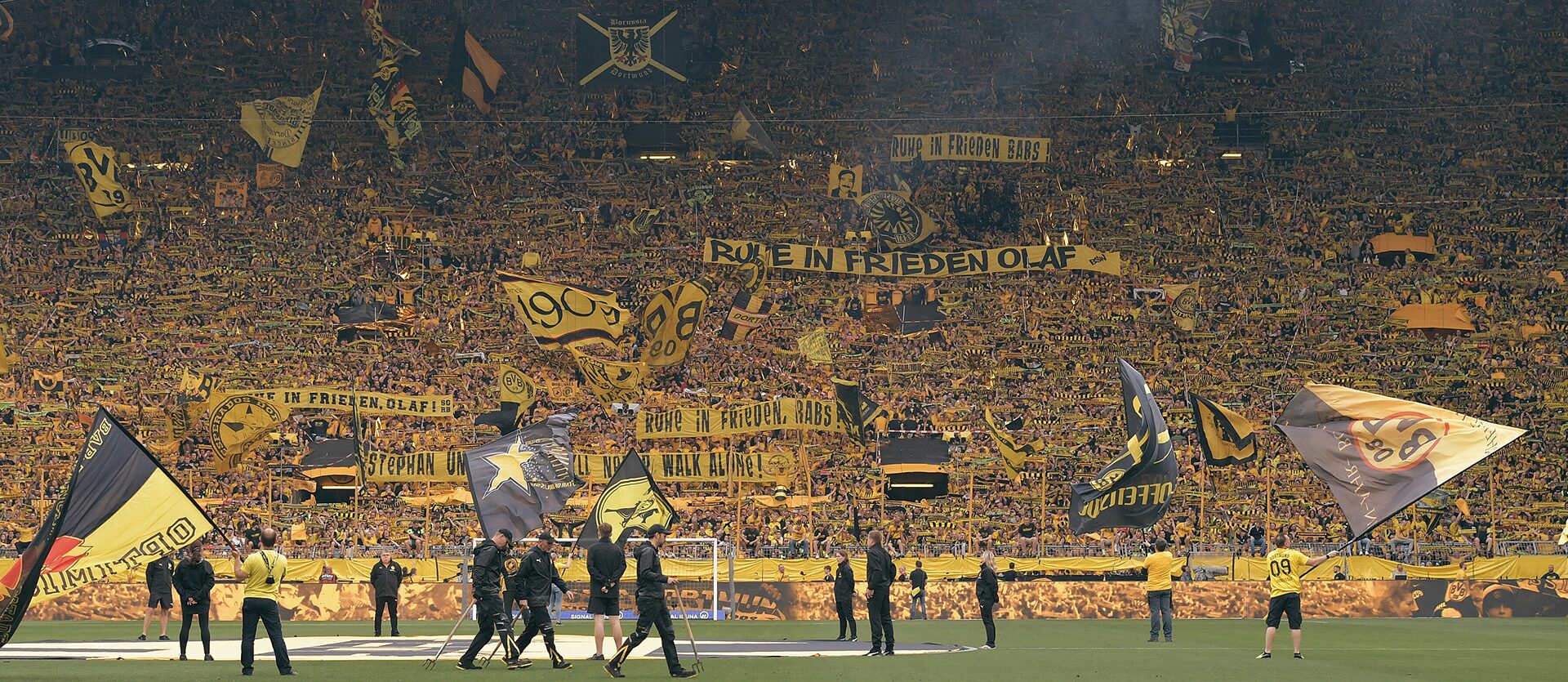
You walk toward Signal Iduna Park on a matchday and the whole city seems to be moving in the same direction — yellow-and-black scarves everywhere, beer flowing before kickoff even starts, the noise building blocks before you can see the stadium itself. Dortmund is the beating heart of German football, home to Borussia Dortmund and the legendary "Yellow Wall" — the largest free-standing terrace for standing spectators in European football, holding over 25,000 fans who sing through the entire match. This isn't a city built for postcard prettiness the way Bavaria's medieval towns are; it's a genuine former industrial powerhouse that's reinvented itself, and the football culture here is as real and unfiltered as it gets anywhere in Europe.
This is not a city that's trying to be quaint.
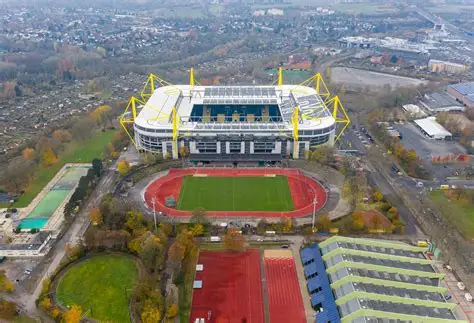
Dortmund is Signal Iduna Park (Germany's largest stadium, and home to one of the most intense atmospheres in world football). It's the Ruhr's industrial heritage (former steel and coal infrastructure repurposed into museums, parks, and cultural venues rather than torn down). It's honest beer hall culture (this region takes its beer seriously, in a different, less touristy way than Munich's). And it's a genuine, lived-in German city rather than a curated tourist destination — which is its own kind of appeal if that's what you're looking for.
Here's everything you need to know.
The Dortmund Moments That'll Stay With You
Standing in Front of the Yellow Wall Even empty on a non-matchday tour, the scale of the south terrace at Signal Iduna Park is hard to process — on matchday, with 25,000+ fans singing in unison, it's one of the most genuinely electric atmospheres in sports.
Touring the Stadium Non-matchday stadium tours take you through the locker rooms, press areas, and out onto the pitch level itself — worth doing even if you can't catch an actual match.
Walking Through a Former Coal Mine The Ruhr region's industrial past is preserved rather than erased, and walking through a repurposed coal or steel facility gives a genuine sense of what built (and later reshaped) this entire region.
A Proper Ruhr Beer Hall Regional beer culture here is less tourist-oriented than Munich's — a good place to drink alongside actual locals rather than other visitors.
Getting There and Getting Around
Dortmund sits in the Ruhr region of North Rhine-Westphalia, Germany's most densely populated area, with strong rail connections to Cologne, Düsseldorf, and the rest of the Ruhr's interconnected cities. The city center and stadium area are both well served by public transit, and matchday specifically comes with a well-organized fan transit system given the sheer number of people moving through on those days.
Getting around once you're there:
- The city center is walkable, with the stadium a short transit ride from downtown
- The Ruhr region's cities are unusually close together and well connected — Dortmund, Essen, Bochum, and Duisburg are all realistic add-ons if you have more time
- Public transit is the better choice on matchdays specifically, given stadium-area parking and traffic
The Top Attractions
Signal Iduna Park Germany's largest stadium and home to Borussia Dortmund, including the famous Südtribüne ("Yellow Wall") terrace. Non-matchday tours are available and worth doing even without a ticket to an actual game; matchday itself, if you can get a ticket, is a genuinely unmatched atmosphere.
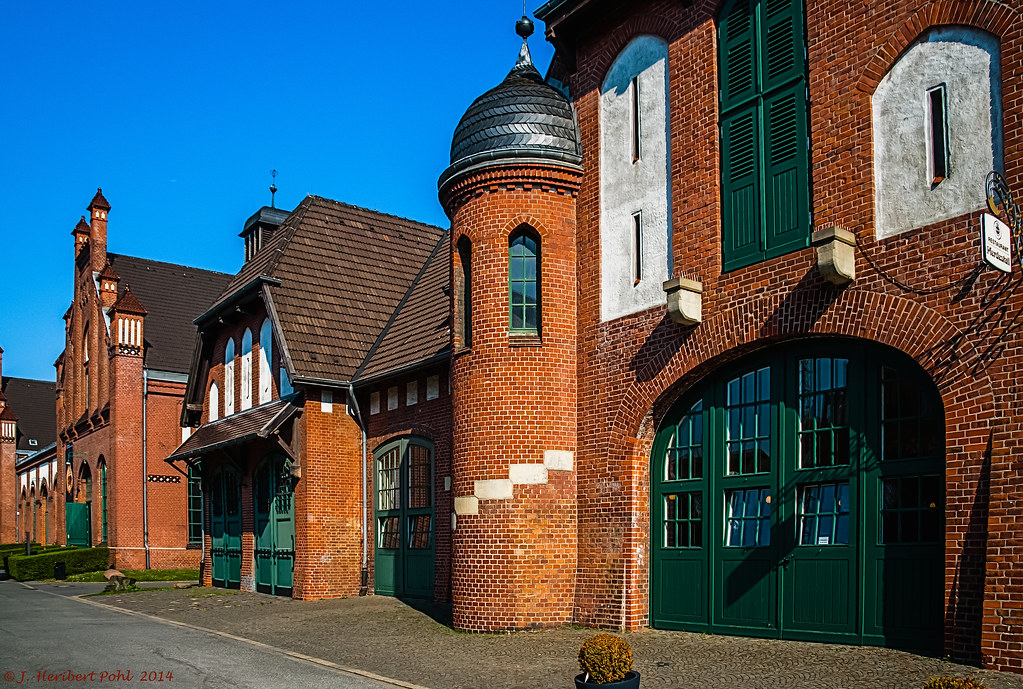
Zeche Zollern A beautifully preserved former coal mine, now an industrial heritage museum with striking Art Nouveau architecture on its machine hall — a genuinely unexpected combination of industry and design.
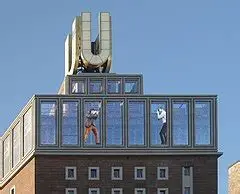
Dortmund U-Tower (Dortmunder U) A former brewery building converted into a cultural and arts center, topped with a landmark rotating "U" sign visible across the city skyline.
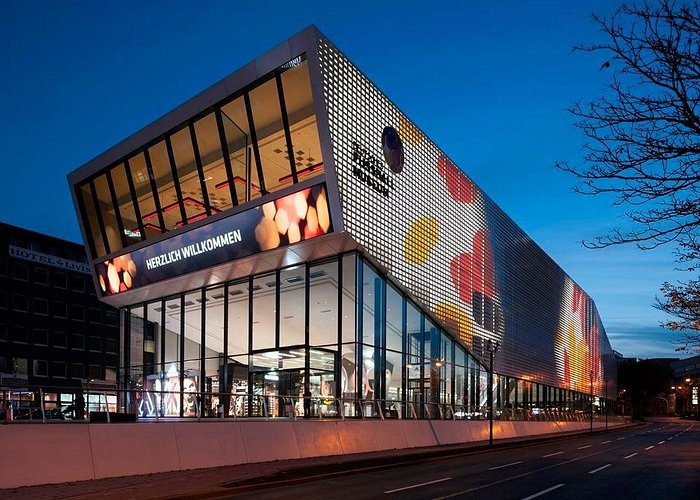
German Football Museum The national football museum, covering the entire history of German football including the national team's World Cup history — a natural pairing with a Signal Iduna Park visit.
Beer and Ruhr Culture
The Ruhr region has its own distinct beer culture, historically tied to the area's mining and steel-working population — hearty, unpretentious, and served in beer halls built for actual locals rather than tourists. This is a good place to try regional beer without the crowds of Munich's more famous halls.
Practical Tips
English is spoken reasonably well in the city center, less so in more local neighborhoods. Matchday crowds are genuinely large — plan transit and timing around it if you're attending, and expect the whole city center to have a noticeably different energy on those days. Dortmund isn't a "pretty" city in the postcard sense the way Bavaria's towns are — it's an honest, working city with real character, worth knowing what to expect going in.
When to Visit
Football Season (Fall through Spring) — If catching a Borussia Dortmund match is the goal, this is when it's possible; check the Bundesliga schedule before planning.
Summer — No football season, but decent weather for the industrial heritage sites and outdoor Ruhr region exploring.
Quick Dortmund Checklist
- See Signal Iduna Park, ideally on a matchday
- Tour Zeche Zollern's industrial heritage site
- Visit the German Football Museum
- See the Dortmunder U tower
- Try a proper Ruhr region beer hall
The Bottom Line
Dortmund isn't for everyone — it's not aiming for medieval charm or baroque grandeur — but for football fans specifically, Signal Iduna Park on a matchday is one of the genuinely great sporting experiences available anywhere in Europe, and the city's honest industrial character offers something real and different from the more curated tourist destinations elsewhere on this list.
Planning day trips from your base? See our Day Trips guide for more destinations within driving distance, and our PCS Guide to Germany for everything else about settling in.