

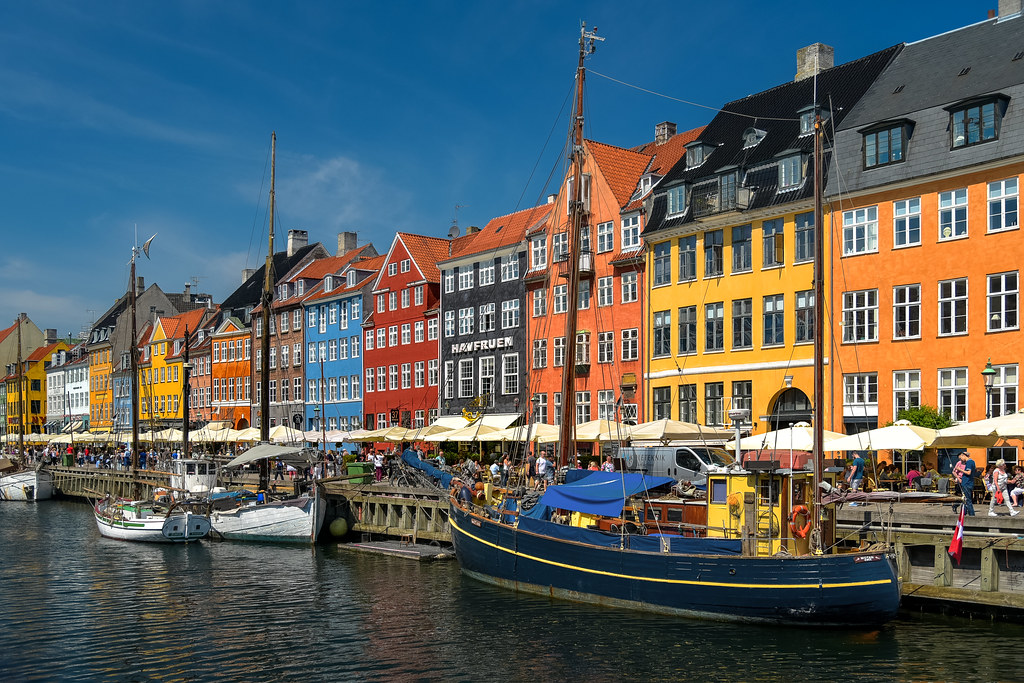
You walk along Nyhavn — the old harbor canal lined with brightly colored 17th-century townhouses, wooden ships still moored along the quay — and Copenhagen immediately looks like exactly what it's famous for looking like. This is a city built around bicycles and water as much as cars and streets, with a design sensibility that shows up everywhere from furniture shops to the shape of public benches. It's genuinely different in character from anywhere in Germany, and unlike most of the destinations on this list, it's less a driving trip than a flight or train trip — worth planning for as something a little further afield.
This is not a city you drive to for a quick weekend the way you might drive to Belgium or Austria.
Copenhagen is Nyhavn (the postcard harbor everyone photographs, and also just a genuinely pleasant place to sit with a drink). It's Tivoli Gardens (one of the oldest amusement parks in the world, and the direct inspiration for Walt Disney's own theme parks). It's bike culture (more bikes than cars in the city center, with infrastructure built around that reality). And it's Danish design (a national obsession with clean, functional aesthetics that shows up in everything from architecture to home goods).
Here's everything you need to know.
The Copenhagen Moments That'll Stay With You
Sitting Along Nyhavn with a Drink in Hand The colorful townhouses, the old wooden ships, people spilling out of the harbor-front bars onto the quay — this is Copenhagen's signature scene, and it's worth just sitting in for a while rather than only photographing.
Renting a Bike and Actually Using It Copenhagen's cycling infrastructure is built for real transportation, not just tourists — dedicated lanes, bike-specific traffic signals, and a flow to the city that's genuinely different from anywhere car-centric.
Riding the Old Wooden Roller Coaster at Tivoli Tivoli Gardens has been operating since 1843, and its wooden coaster is one of the oldest still running anywhere in the world — a genuinely charming, low-key amusement park experience in the middle of the city.
Finding the Little Mermaid Statue Smaller and less dramatic in person than most people expect, and worth visiting anyway — it's become a genuine Copenhagen landmark regardless of scale.
Getting There and Getting Around
Copenhagen is far enough from any German base cluster that this is realistically a flight (or long train ride) rather than a weekend drive — worth building into a longer trip rather than treating like a typical day-trip-distance destination on this list. Copenhagen's airport has good connections to major German cities. Once there, the city itself is compact, flat, and famously bike- and pedestrian-friendly.
Getting around once you're there:
- Bike rental is genuinely the best way to see the city, not just a novelty — Copenhagen's infrastructure is built for it
- The metro and bus network cover everything else efficiently if biking isn't your preference
- The city center is walkable enough that a car is more of a liability than a convenience
The Top Attractions
Nyhavn The colorful 17th-century harbor canal that anchors most people's mental image of Copenhagen — lined with bars, restaurants, and old wooden ships, equally worth seeing by day and by evening.
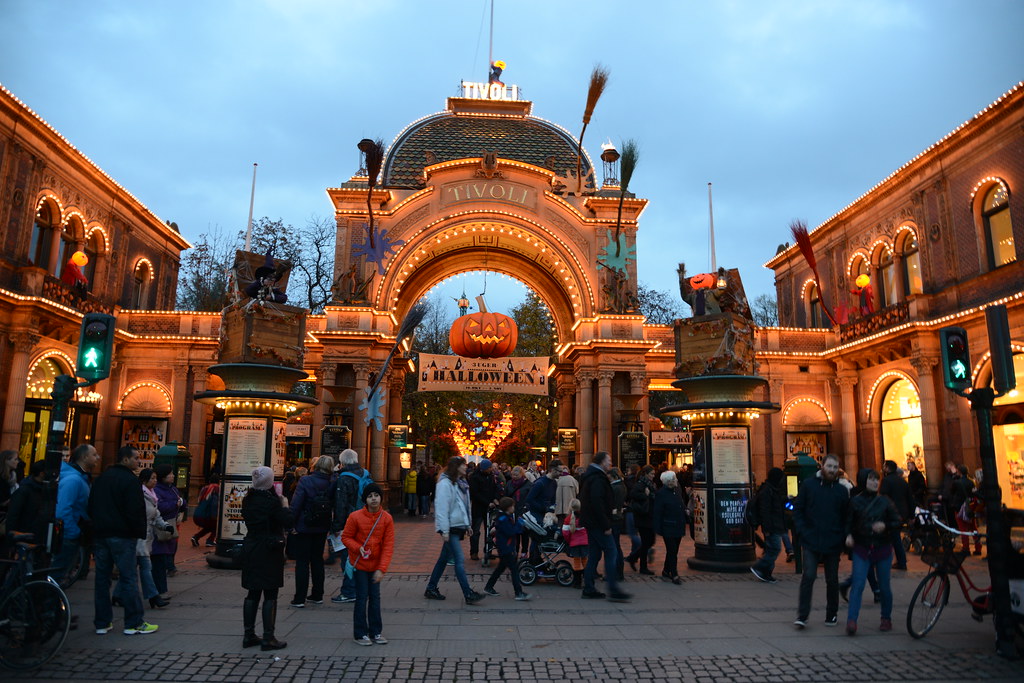
Tivoli Gardens One of the oldest amusement parks in the world, and a direct inspiration for Walt Disney's theme parks — gardens, rides (including a historic wooden roller coaster), and evening illuminations right in the center of the city.
The Little Mermaid A small bronze statue on the harbor promenade, based on Hans Christian Andersen's fairy tale — smaller than expected, but a genuine cultural landmark worth the short walk.
Christiansborg Palace Home to the Danish Parliament, Supreme Court, and Prime Minister's office all in one building — a rare example of a working seat of government also open to visitors.
Rosenborg Castle A Renaissance-era castle housing the Danish Crown Jewels, set inside pleasant public gardens.
Danish Design
Denmark's reputation for clean, functional design isn't just a marketing angle — it shows up in the architecture, the furniture shops, and even everyday public infrastructure throughout the city. If design or architecture interests you at all, browsing Copenhagen's design shops and public spaces is worth building into your visit rather than treating as an afterthought.
Practical Tips
English is spoken extremely widely in Copenhagen — among the highest English proficiency of any non-native-English-speaking country, so language is rarely a barrier. Denmark uses the Danish krone, not the euro, worth knowing before you go. Copenhagen is famously bike-heavy; pay attention to dedicated bike lanes when walking, since locals move through them at real speed and don't expect pedestrians wandering into them.
When to Visit
Summer — Long daylight hours, the best weather of the year, and Tivoli Gardens at its liveliest.
Spring and Early Fall — Milder crowds, still generally pleasant weather for walking and biking.
Winter — Short days and cold weather, though Tivoli's Christmas season lighting is a specific, well-regarded draw if you don't mind the cold.
Quick Copenhagen Checklist
- Sit along Nyhavn with a drink
- Rent a bike and actually use it to get around
- Visit Tivoli Gardens, ideally in the evening for the lights
- See the Little Mermaid statue
- Browse a Danish design shop or two
The Bottom Line
Copenhagen is worth treating as its own trip rather than a quick add-on — the distance from Germany makes it less of a spontaneous weekend drive than most destinations on this list, but the payoff is a city genuinely different in character from anywhere in Germany, built around bikes, water, and a design sensibility that's hard to find elsewhere in Europe.
Planning day trips from your base? See our Day Trips guide for more destinations within driving distance, and our PCS Guide to Germany for everything else about settling in.