

You walk into La Petite Venise — Colmar's "Little Venice" district — and canals wind between candy-colored half-timbered houses, geraniums spilling from window boxes, flat-bottomed boats drifting past at a pace that makes the whole scene feel unreal. Colmar has bounced between French and German rule for centuries, and it wears that layered history beautifully: this is one of the most photogenic towns in France, genuinely compared to Disney and Studio Ghibli set design by visitors who aren't exaggerating much. It's also, unexpectedly, the hometown of the man who sculpted the Statue of Liberty.
This is not a town you visit for one specific sight.
Colmar is La Petite Venise (canals, colorful half-timbered houses, boat rides through the historic district). It's Bartholdi's hometown (the sculptor of the Statue of Liberty was born here, and a museum in his childhood home tells the story). It's the House of Heads (106 individually carved faces decorating a single Renaissance building facade). And it's Alsatian wine and food country — a genuinely different culinary identity than either France or Germany alone, shaped by centuries as both.
Here's everything you need to know.
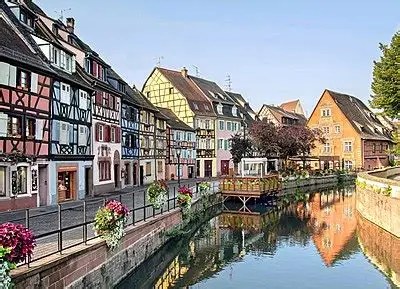
The Colmar Moments That'll Stay With You
A Boat Ride Through Little Venice Flat-bottomed boats gliding along the canal, colorful half-timbered facades reflected in the water on both sides — the boatman usually shares a bit of local history as you drift past.
Standing Before Bartholdi's Childhood Home The sculptor of the Statue of Liberty grew up in this house, now a museum holding his original sketches and sculpture models — a genuinely surprising connection to find in a small Alsatian town.
Counting the Faces on the House of Heads 106 individually carved human faces, each with a different expression, decorating the facade of a single Renaissance building — looking up feels a little like making eye contact with people from centuries ago.
Getting Lost in the Old Town's Color Colmar's half-timbered buildings are painted in a genuine range of sorbet shades, not just the uniform whitewash you'll see in some other historic German and French towns — every street looks a little different.
Getting There and Getting Around
Colmar sits in the Alsace region of France, close to the German border and a reasonable drive or train ride from Strasbourg. The historic center, including Little Venice, is compact and entirely walkable — most of what you'll want to see fits within a pleasant half-day to full-day wander.
Getting around once you're there:
- The old town and Little Venice are walkable from each other and from the train station
- Canal boat tours run regularly through Little Venice and are worth doing early, before the midday crowds
- The nearby village of Eguisheim, famous for its circular medieval streets and vineyards, is a short drive away if you have extra time
The Top Attractions
La Petite Venise (Little Venice) Colmar's most photographed district — a network of small canals lined with colorful half-timbered houses, best experienced both on foot from the bridges and by flat-bottomed boat at water level.
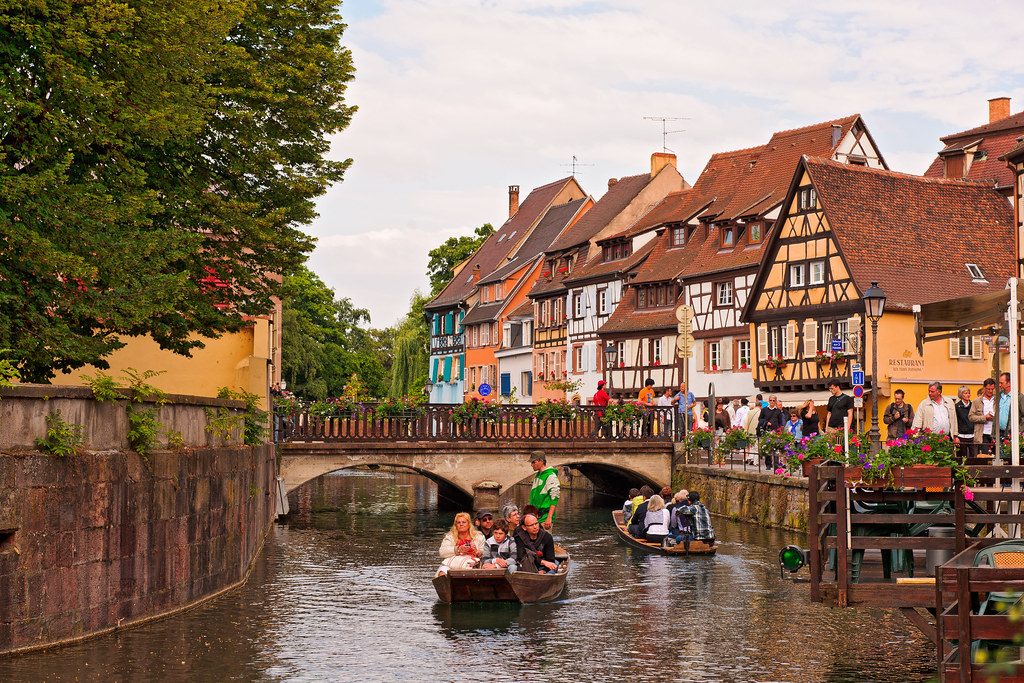
Musée Bartholdi Housed in the actual home where sculptor Frédéric Auguste Bartholdi was born and raised, this museum holds his original sketches, sculpture models, and personal belongings — including material connected to his most famous work, the Statue of Liberty.
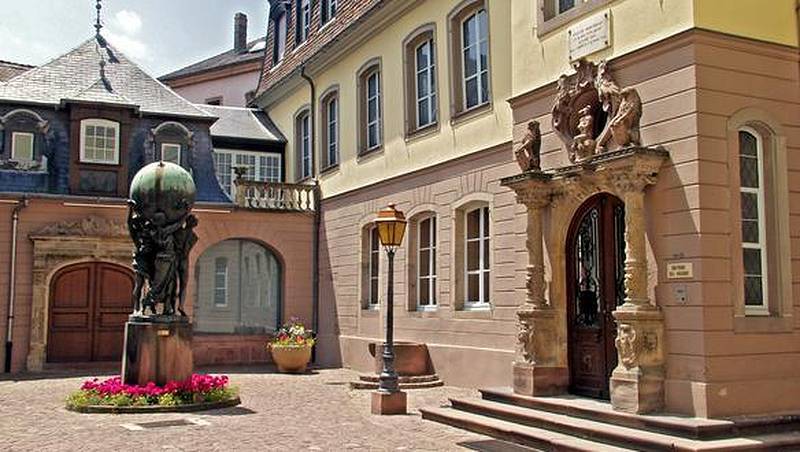
Maison des Têtes (House of Heads) A striking Renaissance building facade decorated with 106 individually sculpted human heads, each with its own distinct expression — one of Colmar's most distinctive pieces of architecture.
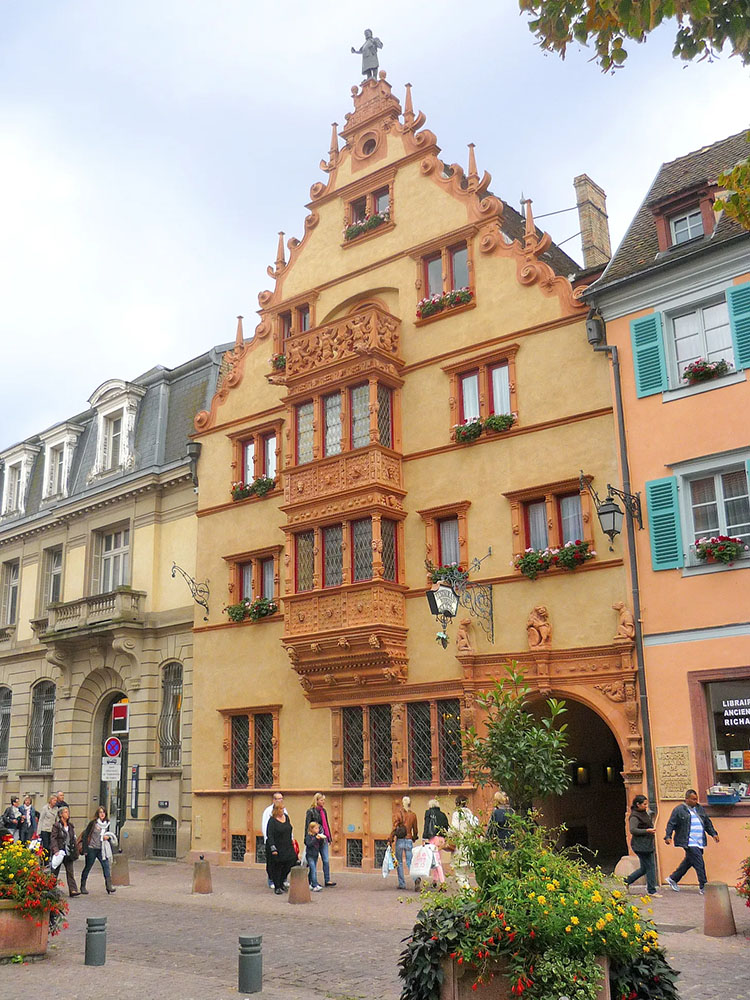
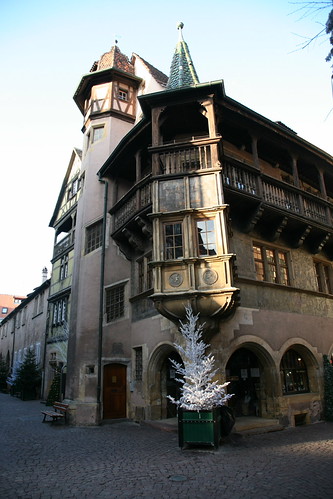
Maison Pfister A beautifully preserved Renaissance house with an octagonal turret and painted wooden gallery — widely cited as a real-world inspiration for the look of Howl's Moving Castle, and one of the most photographed single buildings in the old town.
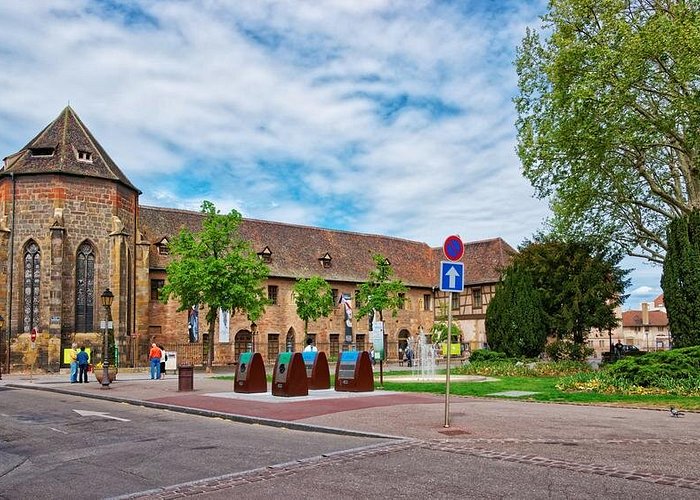
Unterlinden Museum Home to the Isenheim Altarpiece, one of the most significant works of German Renaissance art, displayed inside a former Dominican convent — a genuinely major art-history stop if that interests you.
Alsatian Food and Wine
Colmar sits at the heart of Alsace wine country, and the region's cuisine reflects centuries of both French and German influence — flammekueche (a thin, flatbread-style tart similar to a pizza, topped with crème fraîche, onions, and bacon), choucroute (Alsatian sauerkraut with sausages and cured meats), and kougelhopf (a crown-shaped yeast cake) are all worth seeking out. Riesling and Gewürztraminer are the region's signature white wines.
Practical Tips
English is spoken reasonably well in the tourist core, French is the primary language (this is France, despite the strong German architectural influence). Colmar gets genuinely crowded in peak season and especially during its well-regarded Christmas market — an early start or an off-season visit both noticeably improve the experience. The old town's cobblestones and canal-side paths mean comfortable shoes matter.
When to Visit
Spring through Fall — Good weather for the canals and old town, flowers in bloom on the window boxes.
Summer — Warm and busy, the peak tourist season for a relatively small town.
December — Colmar's Christmas market is genuinely magical and well-regarded, spread across several sites in the old town, though it draws real crowds — dress warm and expect company.
Quick Colmar Checklist
- Take a boat ride through La Petite Venise
- Visit Musée Bartholdi
- Count the faces on the House of Heads
- See Maison Pfister
- Try flammekueche and a glass of Alsatian Riesling
- Consider a short side trip to Eguisheim if you have extra time
The Bottom Line
Colmar earns every comparison to a fairy-tale film set — genuinely one of the most photogenic towns in France, with a surprising personal connection to one of the most famous statues in the world, and a food and wine culture shaped by centuries straddling two countries.
Planning day trips from your base? See our Day Trips guide for more destinations within driving distance, and our PCS Guide to Germany for everything else about settling in.