

You step out of Keleti train station and immediately feel Budapest's unique vibe. The architecture is grand—Austro-Hungarian Empire grand. The Danube River splits the city in two: Buda (hilly, historic, castle-topped) on one side, Pest (flat, urban, energetic) on the other. Steam rises from thermal baths. Trams rattle past Art Nouveau buildings. Someone's eating lángos (fried dough) from a street vendor. The city feels like it's living in multiple time periods at once.
This is not the Western Europe you're used to.
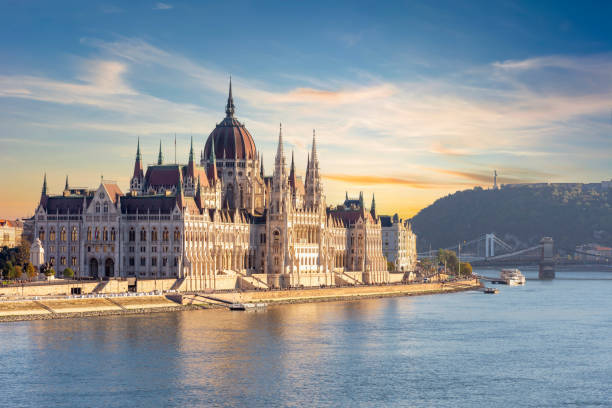
Budapest is grand (Parliament building, castle district, bridges lit up at night). It's therapeutic (over 100 thermal springs, spa culture for 2,000 years). It's creative (ruin bars invented here, vibrant street art scene). It's dramatic (Soviet history, revolution scars, resilience everywhere). And it's affordable—you can eat well, drink well, and soak in thermal baths without breaking the bank.
I've spent time here, and Budapest never stops impressing. It's beautiful—those bridges over the Danube at night are breathtaking. It's relaxing—soaking in Széchenyi Baths in winter with steam rising around you. It's exciting—ruin bars in the Jewish Quarter buzzing with energy. And it's layered—every building has a story, usually involving empires, wars, or revolutions.
Here's everything you need to know.
The Budapest Moments That'll Stay With You
Soaking in Széchenyi Baths in Winter You're sitting in an outdoor thermal pool. It's freezing outside—maybe even snowing. But the water is perfectly hot (38°C). Steam rises around you. The neo-Baroque building glows yellow in the evening light. Locals are playing chess on floating boards. This is peak Budapest—historic, therapeutic, surreal.
Exploring Ruin Bars in the Jewish Quarter You walk into what looks like an abandoned building. Inside: fairy lights, mismatched furniture, graffiti-covered walls, a Trabant car repurposed as seating. Music thumps. People drink pálinka and craft beer. This is Szimpla Kert—the original ruin bar that started a phenomenon. Budapest nightlife is unlike anywhere else.
Watching Sunset from Fisherman's Bastion You're standing on a white stone terrace on the Buda side. The sun sets behind Parliament across the river. The whole building turns golden. The Chain Bridge connects the two sides. The Danube flows below. This view encapsulates why Budapest is called the "Pearl of the Danube."
Walking Along the Danube Promenade at Night The Parliament is lit up on your left—stunning. The Buda Castle glows on the hills across the river. The bridges sparkle with lights. Street musicians play. Couples walk hand-in-hand. This is romantic Europe at its finest—and it's mostly locals, not tourists.
The Shoes on the Danube Bank Memorial You see 60 pairs of iron shoes along the riverbank. They commemorate Jews who were shot into the Danube by fascists in 1944-45. It's simple, powerful, heartbreaking. This is Budapest's darker history—confronted, memorialized, never forgotten.
The Historic Buda Side – Castles, Hills, and Views
Budapest is divided by the Danube River. Buda (west side) is hilly, historic, quieter. Pest (east side) is flat, urban, where most action happens.
Buda Castle

Massive palace complex on Castle Hill. Originally built in 13th century, destroyed and rebuilt multiple times. Now houses museums and offers spectacular views.
What's here:
- Hungarian National Gallery – Hungarian art through centuries
- Budapest History Museum – City's 2,000-year story
- Castle courtyards – Beautiful architecture, viewpoints
- Gardens and terraces – Panoramic Danube views
Getting there: Funicular railway from Chain Bridge (scenic), or walk up from Buda side, or bus.
Cost: Castle grounds free, museums €5-8 each
Worth it? Yes, for the views and architecture. Museums are good if you're into Hungarian history/art.
Fisherman's Bastion
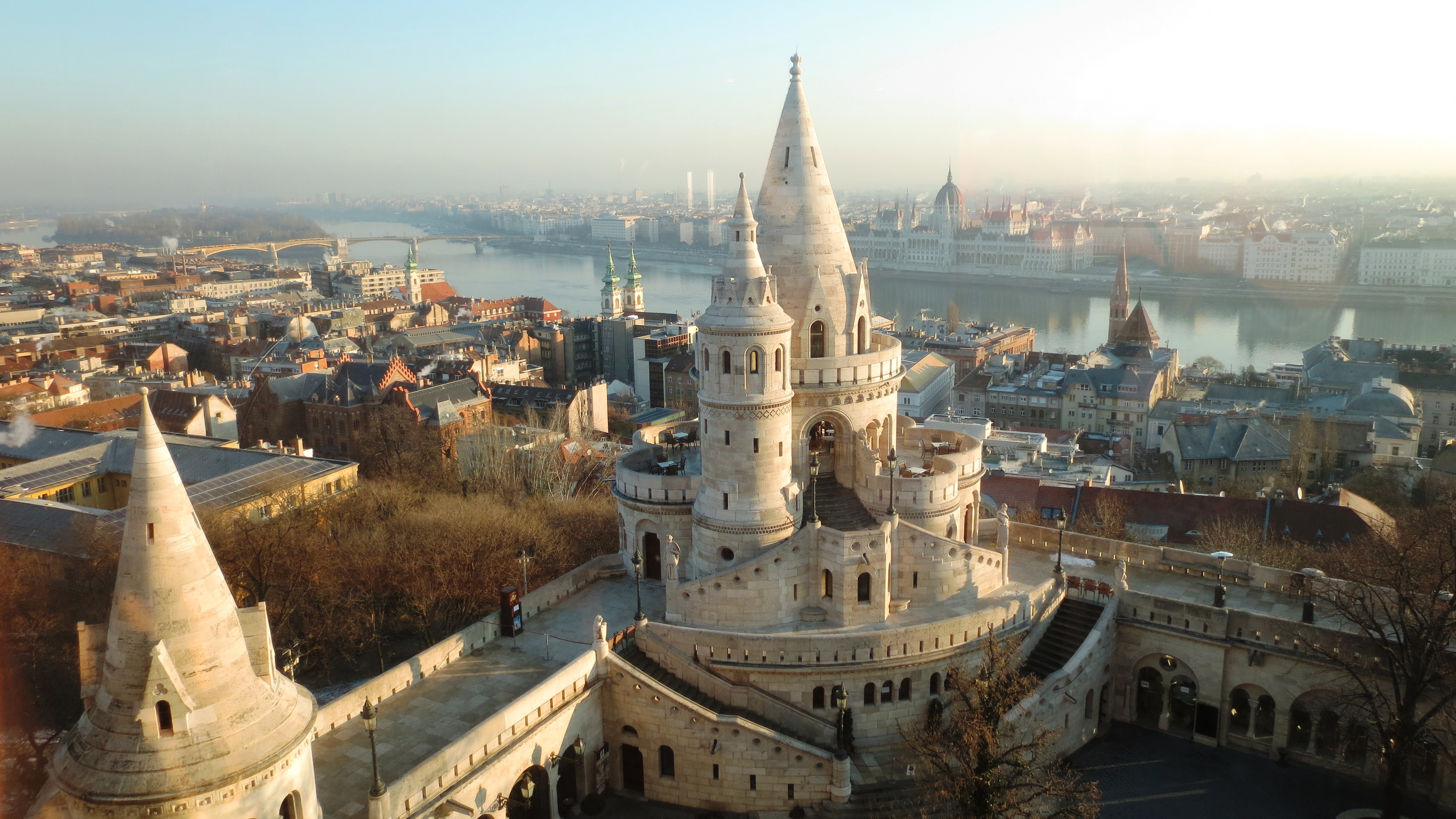
White stone terrace with neo-Gothic and neo-Romanesque towers. Built late 1800s as decorative lookout point. Named after fishermen's guild that defended this wall in Middle Ages.
Why visit: The views. Across the Danube to Parliament, across Pest's skyline, the bridges. Sunset here is magical.
Cost: Lower terrace free, upper terrace €2 (May-October only, free November-April)
Pro tip: Come early morning or late evening to avoid tour groups. Sunset is prime time but crowded.
Matthias Church
Next to Fisherman's Bastion. Gothic church with colorful tiled roof (distinctive orange, green, yellow pattern). Stunning interior with frescoes and stained glass.
History: Where Hungarian kings were crowned. Turned into mosque during Ottoman occupation. Neo-Gothic renovation in late 1800s.
Cost: €7 | Time: 30 minutes
Worth it? Yes, the interior is beautiful and the roof is iconic.
Gellért Hill & Citadella
Hill with fortress on top. Steep climb but panoramic 360° views of Budapest.
The Liberty Statue stands on top—controversial monument (originally Soviet, now recontextualized).
Worth the climb? If you want views and exercise, yes. But Fisherman's Bastion has better views with less effort.
The Grand Pest Side – Parliament, Bridges, and Urban Energy
Hungarian Parliament Building

One of Europe's most beautiful parliament buildings. Neo-Gothic architecture (late 1800s), inspired by British Parliament but more ornate. It's massive—691 rooms, 20km of staircases.
The exterior: Best viewed from across the Danube (Buda side) or from a river cruise. Lit up at night, it's stunning.
The interior: Guided tours only (book online in advance). You'll see the main staircase (breathtaking), the Dome Hall, and the old Upper House chamber. The Hungarian Crown Jewels are displayed here.
Cost: €10-18 (varies by tour type) | Time: 45 minutes guided tour
Pro tips:
Book online weeks ahead – Tours sell out
Best photos from Buda side or river
Evening exterior view when lit up is magical
No tank tops or shorts – Dress code
Worth it? Absolutely. The interior is as impressive as the exterior promises.
Chain Bridge (Széchenyi Lánchíd)

Budapest's most iconic bridge. First permanent bridge connecting Buda and Pest (1849). Lions guard each end. Beautiful day or night, but spectacular lit up after dark.
The experience: Walk across it. Takes 10 minutes. Views of Parliament, Buda Castle, the river. Romantic, photogenic, essential Budapest.
Pro tip: Walk it at sunset—the golden hour light on the Danube is perfect.
St. Stephen's Basilica
Neo-Renaissance church (late 1800s). Named after Stephen I, first King of Hungary. His mummified right hand is in a reliquary here (seriously).
Why visit: Beautiful interior, and you can climb the dome for panoramic views (364 steps or elevator).
Cost: Church free (€2 suggested donation), dome €7
Worth it? The dome views are good but Fisherman's Bastion is better. The church interior is nice if you're nearby.
Shoes on the Danube Bank
Memorial of 60 pairs of iron shoes on the riverbank. Commemorates Jews shot into the Danube by Arrow Cross fascists in 1944-45.
The impact: Simple, powerful, moving. People leave flowers, candles. It's a quiet moment of reflection on the Danube promenade.
Location: Between Chain Bridge and Parliament on Pest side
Thermal Bath Culture – Budapest's Soul
Budapest sits on over 100 thermal springs. Bathing culture dates to Roman times (2,000 years ago). Ottomans added Turkish bath traditions in 1500s. Today, thermal baths are part of daily life—locals go regularly for health and socializing.
Széchenyi Thermal Baths

The biggest and most popular. Neo-Baroque yellow building, 18 pools (3 outdoor, 15 indoor), saunas, steam rooms.
Why it's special: The outdoor pools in winter are magical—hot water (38°C), cold air, steam rising, locals playing chess on floating boards. It's a Budapest experience you can't get elsewhere.
The vibe: Touristy but still authentic. Locals come here. It's social, relaxing, therapeutic.
Visiting:
- Bring swimsuit, towel, flip-flops – You can rent/buy but expensive
- Rent a cabin – Private changing room with locker
- Go early (9am) or late (after 6pm) – Fewer tourists
- Budget 2-3 hours
- Shower before entering pools – Required
Cost: €22 weekdays, €24 weekends (all day access)
Special event: SPARTY – Saturday night bath party with DJs, lights, music (February-December). Wild, unique, fun.
Pro tips:
Buy tickets online – Skip the entrance queue
Winter is best – Hot water + cold air + steam
Watch locals play chess in outdoor pools
Buy drinks inside – Bar serves beer, snacks
Gellért Baths
Art Nouveau masterpiece. Beautiful tilework, columns, stained glass. More elegant and less touristy than Széchenyi.
Status update: Closed for renovation—reopening 2028. When it reopens, it'll be stunning.
Rudas Baths
Ottoman-era bath (1500s) with original octagonal pool under Turkish dome. Rooftop pool with panoramic city views.
Why special: Most authentic historic bath. The rooftop pool at night is romantic—city views, hot water, stars above.
Note: Mixed days (swimsuit required) vs. traditional days (gender-separated, nude). Check schedule.
Cost: €20-25
Lukács Baths
More local, less touristy. Lower prices, similar experience to Széchenyi.
Good for: Budget-conscious travelers who want authentic bath experience without tourist crowds.
Ruin Bar Culture – Budapest's Unique Nightlife
Budapest invented ruin bars in early 2000s. The Jewish Quarter (District 7) was neglected after WWII—abandoned buildings, empty courtyards. Young entrepreneurs transformed them into bars with salvaged furniture, graffiti, fairy lights, and creativity. They became iconic.
Szimpla Kert

The original ruin bar (opened 2002). Multiple rooms with different vibes, graffiti-covered walls, mismatched furniture, a Trabant car as seating, plants everywhere, quirky art installations.
The experience: It's a maze. Explore different rooms—each has its own atmosphere. Drinks are cheap. Music varies (live bands, DJs, eclectic playlists).
When to go: Any night, but weekends are packed. Sunday morning farmers market happens in the courtyard.
Drinks: Hungarian pálinka (fruit brandy), craft beers, cheap cocktails
Pro tip: Get there early (before 10pm) to explore before it gets packed.
Instant-Fogas
Massive complex—two connected ruin bars with 26 rooms, multiple dance floors, different music styles (techno, pop, live bands).
The vibe: More club-like than Szimpla. Gets wild late-night.
Mazel Tov
Beautiful courtyard bar and restaurant. Mediterranean-Middle Eastern food, gorgeous decor, relaxed vibe.
Different from typical ruin bars: More polished, better food, less chaotic. Still in a renovated building with character.
Good for: Dinner and drinks in a beautiful setting.
Other Good Ruin Bars:
- Doboz – Underground club vibe
- Kőleves – Garden courtyard, eclectic decor
- Kuplung – Alternative music, artsy crowd
Pro tips:
Go after 10pm – Ruin bars start late
Bar crawl District 7 – Walk between multiple bars
Drinks cheap – €2-4 beers, €3-6 cocktails
Sunday Szimpla – Farmers market in daytime
Hungarian Food – Hearty, Flavorful, Unique
Hungarian cuisine is influenced by German, Austrian, Turkish, and Slavic flavors. It's hearty, uses paprika extensively, and is delicious.
Goulash (Gulyás)
Hungary's national dish. Beef stew with paprika, onions, potatoes, carrots. Rich, warming, flavorful.
The reality: What tourists call "goulash" is actually "pörkölt" (thicker stew). Real gulyás is more soup-like. Both are delicious.
Where: Every traditional restaurant serves it. Try it at least once.
Lángos
Deep-fried dough topped with sour cream, cheese, and optional toppings (garlic, ham, etc.). Hungarian street food perfection.
Where: Street markets, food stalls, Central Market Hall
Cost: €3-5
Pro tip: Get it fresh and hot. It's greasy, messy, addictive.
Chicken Paprikash (Paprikás Csirke)
Chicken in creamy paprika sauce, usually served with nokedli (small dumplings). Comfort food at its finest.
Chimney Cake (Kürtőskalács)
Sweet pastry rolled, baked, coated in cinnamon-sugar. Served warm, hollow inside. Budapest street snack.
Where: Sold at markets, tourist areas, food stalls
Pálinka
Hungarian fruit brandy. Strong (40-70% alcohol), traditionally homemade. Apricot and plum are most common.
The experience: Locals drink it as shots, often before meals. Tourists underestimate it—it's powerful.
Where to try: Ruin bars, traditional restaurants, pálinka bars
Where to Eat Traditional Food:
- Bors GasztroBar – Modern twist on Hungarian classics, affordable
- Két Szerecsen – Brunch and Hungarian fusion
- Great Market Hall – Food stalls on second floor
- District 7 street food – Karavan, Gozsdu Court
Getting Around Budapest
Excellent public transit—metro, trams, buses. Easy to navigate.
Public Transit (BKK)
Metro: 4 lines (M1, M2, M3, M4). M1 is the oldest continental metro in Europe (1896).
Trams: Tram 2 runs along Danube—scenic route with Parliament views
Buses: Comprehensive network
Tickets:
- Single ticket: €1.50
- 24-hour pass: €5.50
- 72-hour pass: €13
- 7-day pass: €16.50
How it works: Buy tickets at machines or ticket windows. Validate before boarding. Random inspections—€60 fine.
Pro tips:
Get 72-hour pass if staying 3+ days
Tram 2 for scenic Danube views
BKK Futár app for real-time info
Walking
Central Budapest is walkable. Pest is flat, Buda is hilly. Chain Bridge connects both sides (10-minute walk).
Budapest on a Budget
Budapest is one of Europe's most affordable capitals. You can travel comfortably on a budget.
Cheap: Street food (lángos €3-5), ruin bars (drinks €2-4), thermal baths (locals pay less but tourist prices still reasonable), public transit, markets
Budget tips: Eat lángos and market food, drink at ruin bars, get multi-day transit pass, stay in hostels/Airbnb, thermal baths worth the splurge
What things cost:
- Metro ticket: €1.50
- Coffee: €2-3
- Beer at ruin bar: €2-4
- Lángos: €3-5
- Goulash at restaurant: €8-12
- Thermal bath: €20-25
- Casual meal: €10-15
Budget: €40-60/day (hostel, street food, free sights) or €80-120/day (mid-range comfort)
When to Visit Budapest
Spring (April-May) – Perfect weather, fewer tourists, everything open
Summer (June-August) – Hot, peak season, higher prices, outdoor festivals
Fall (September-October) – Beautiful weather, fewer crowds, wine harvest season
Winter (November-March) – Best for thermal baths! Cold air + hot water = magic. Christmas markets excellent. Cheaper hotels.
Recommendation: September-October for weather, or December-February for thermal bath experience.
The Bottom Line on Budapest
Budapest is stunning, affordable, and unlike anywhere else in Europe. It's grand Austro-Hungarian architecture meets thermal bath culture meets creative ruin bars meets dramatic history.
This is a city where you can soak in 2,000-year-old thermal waters in the morning, explore a castle that's been destroyed and rebuilt a dozen times, eat hearty Hungarian goulash for lunch, watch sunset over the Danube from a hilltop, and end the night in a ruin bar drinking pálinka in a repurposed Trabant car.
My advice? Book at least 3 days. Spend time in both Buda (castle, views) and Pest (urban energy, ruin bars). Soak in Széchenyi Baths in winter if possible. Do the ruin bar circuit in District 7. Walk along the Danube at sunset. Eat lángos. Drink pálinka (carefully). Take a river cruise if you're feeling romantic. Visit the sobering memorials. Let Budapest surprise you with its layers.
This city will impress you with its beauty, relax you in its thermal waters, energize you in its ruin bars, and move you with its history. And you'll do it all on a budget that would barely cover two days in Paris or London.
Quick Budapest Checklist
Must-Do:
- Széchenyi Thermal Baths (winter best)
- Ruin bar hopping (Szimpla Kert minimum)
- Buda Castle and Fisherman's Bastion
- Parliament Building tour
- Walk Chain Bridge at sunset
- Try goulash and lángos
- Shoes on Danube memorial
- Danube promenade at night
- Drink pálinka
If You Have Time:
- Rudas Baths rooftop
- Danube river cruise
- Margaret Island
- Great Market Hall
- Hungarian National Museum
- Heroes' Square
- St. Stephen's Basilica dome
- SPARTY at Széchenyi (Saturday nights)
Skip:
- Tourist restaurants near castle
- Overpriced river cruises (shop around)
Ready for Budapest? Bring swimsuit for thermal baths, appetite for hearty food, and openness to ruin bar adventures. Viszlát! 🇭🇺