
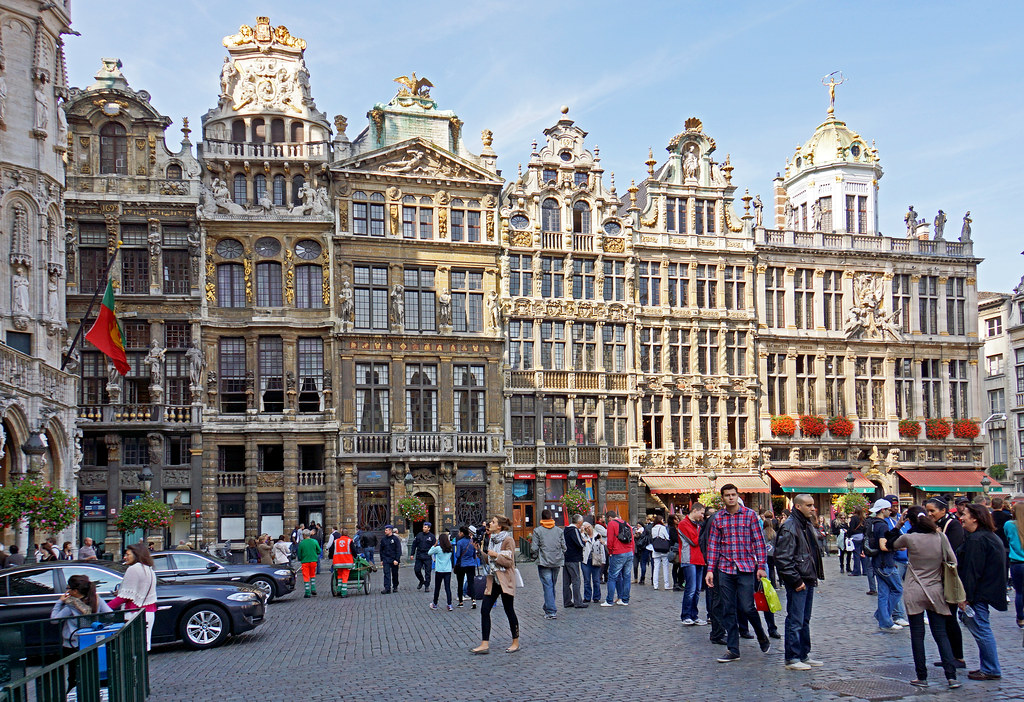
You walk into the Grand Place for the first time and it's genuinely hard to know where to look first — gilded guild houses on every side, the town hall's spire rising overhead, the whole square dense with detail in a way that photographs never quite prepare you for. Brussels is Belgium's capital and the de facto capital of the EU, which gives it a genuinely international character layered on top of a proudly Belgian one — this is a city of comic strip murals, chocolate shops, and some of the best fries in the world, sitting close enough to Ramstein and KMC to pair naturally with a Bruges weekend if you want to see both.
This is not just an EU bureaucratic city.
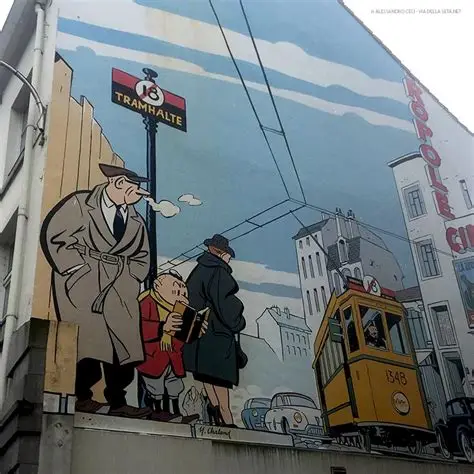
Brussels is the Grand Place (one of the most ornate town squares in Europe, UNESCO-listed and lit up beautifully at night). It's waffle and fry culture (both taken far more seriously here than the American versions, and worth trying from a proper stand rather than a tourist trap). It's comic strip heritage (Tintin and the Smurfs both originated here, with murals scattered through the city center). And it's genuinely walkable, with most major sights clustered close enough together for a single dense day.
Here's everything you need to know.
The Brussels Moments That'll Stay With You
Standing in the Grand Place After Dark The guild houses and town hall lit up against the night sky — this square is genuinely one of the most beautiful in Europe, and it's worth seeing both by day and after dark.
Your First Real Belgian Fries Twice-fried in the traditional style, served in a paper cone with your choice from a wall of sauces that goes well beyond ketchup and mayo — a proper fry stand (frituur/friterie) is a completely different experience from anything sold as "Belgian fries" elsewhere.
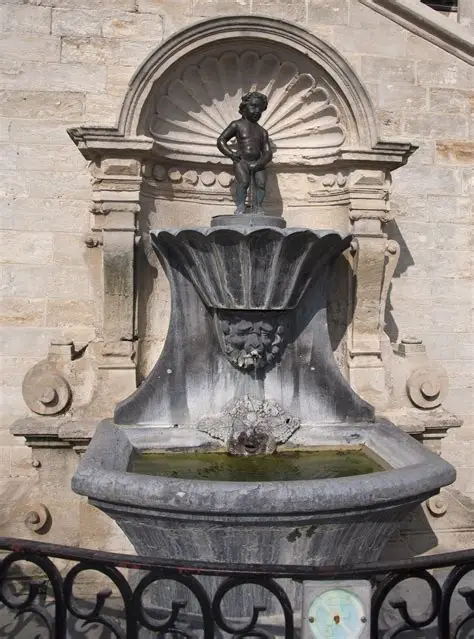
Finding the Manneken Pis A small, famously underwhelming statue of a boy that's become one of the city's most visited landmarks anyway — worth seeing specifically because everyone's reaction to its size is part of the experience.
Spotting a Comic Strip Mural Brussels has dozens of building-sized comic murals scattered through the city center, a genuinely fun scavenger hunt if you're inclined to seek a few out.
Getting There and Getting Around
Brussels sits close enough to Ramstein, Kaiserslautern, Spangdahlem, and Baumholder to make it a reasonable weekend trip on its own, or an easy pairing with a Bruges visit if you want to see both Belgian cities in one longer trip. The city center is compact and walkable, with most major sights within a 20-minute walk of the Grand Place; a car is more of a liability than a help once you're in the historic core.
Getting around once you're there:
- The city center is entirely walkable — Grand Place, Manneken Pis, and most major sights sit close together
- The metro and tram network cover anything further out, including the EU quarter and Atomium
- Parking in the center is limited; consider parking further out and walking or using transit in
The Top Attractions
Grand Place Brussels' central square, UNESCO-listed, ringed by ornate guild houses and the Gothic town hall — the single most essential stop in the city, worth visiting at multiple times of day for the changing light.
Manneken Pis A small bronze fountain statue, famous well beyond its actual size — a quick, easy stop just a few minutes from the Grand Place.
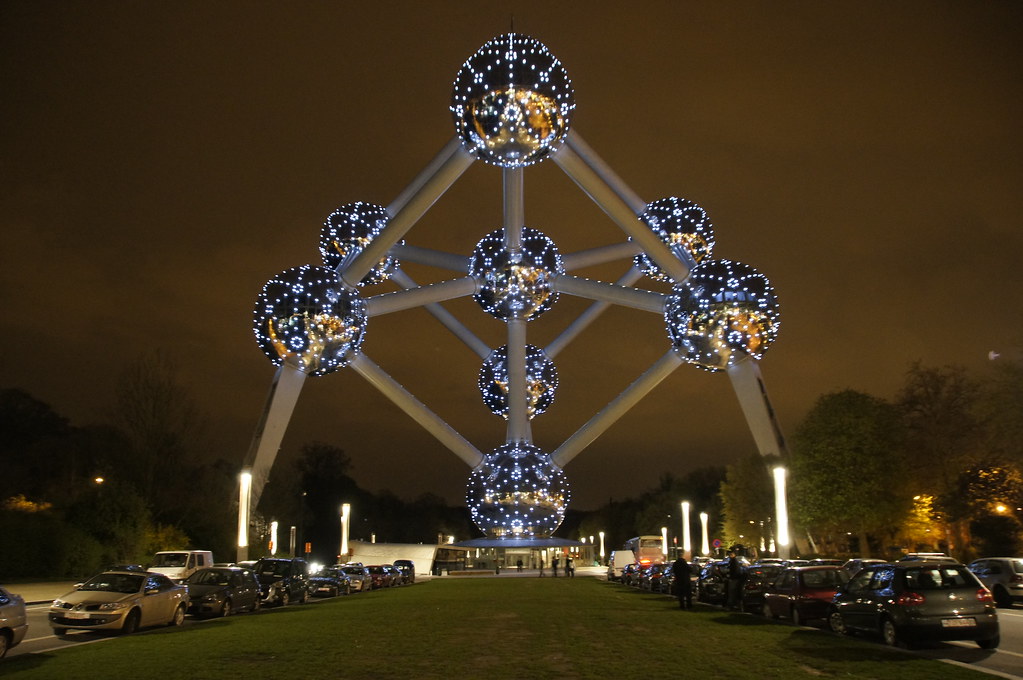
Atomium A massive, striking structure built for the 1958 World's Fair, shaped like an iron crystal magnified billions of times — a bit further from the center but a genuinely unique landmark if you have time for it.
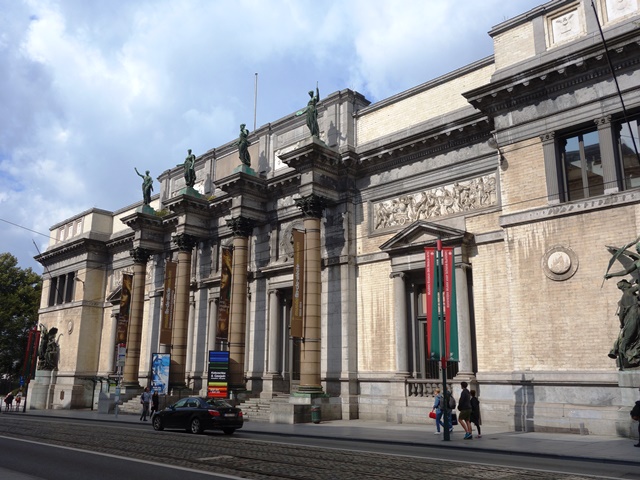
Royal Museums of Fine Arts A strong art collection spanning old masters to modern work, if museums are part of how you like to spend a travel day.
Waffles, Fries, and Chocolate
Brussels takes its street food seriously — proper Belgian waffles (often eaten plain or with simple toppings, not the towering dessert versions sold elsewhere), fries from a real frituur with sauce options well beyond the basics, and chocolate shops throughout the city center worth comparing rather than committing to just one.
Practical Tips
English is spoken widely in the tourist core and EU-adjacent areas. Brussels is officially bilingual (French and Dutch), so signage often appears in both — not something you need to navigate around, just worth knowing why street names sometimes look doubled up. The city center gets busy on weekends and around EU events; a weekday visit is generally calmer.
When to Visit
Spring and Fall — Good weather, comfortable for walking the city center, fewer crowds than peak summer.
Summer — Warm and lively, but also the busiest tourist season.
December — Brussels' Christmas market and winter lights display around the Grand Place area is a well-regarded seasonal draw.
Quick Brussels Checklist
- See the Grand Place by day and after dark
- Get proper Belgian fries from a real frituur
- Find the Manneken Pis
- Spot at least one comic strip mural
- Try a plain Belgian waffle the local way
The Bottom Line
Brussels pairs naturally with a Bruges trip for anyone in the Ramstein/KMC/Spangdahlem/Baumholder area — different in character from Bruges' fairy-tale medieval core, more of a proper capital city with EU-international flavor layered on top of proudly Belgian food and culture, and dense enough with sights to fill a full day on its own.
Planning day trips from your base? See our Day Trips guide for more destinations within driving distance, and our PCS Guide to Germany for everything else about settling in.