You step off the plane at Berlin and the energy hits you immediately. This city moves fast—faster than Munich, maybe even faster than London. People walk with purpose. The U-Bahn runs constantly. Neighborhoods shift personalities block by block. You download the BVG app because you'll use it multiple times daily. You ride the U-Bahn and realize every station is an art installation—Heidelberger Platz's colorful tiles, Rathaus Schöneberg's modernist design, Westhafen's industrial aesthetic. You stand at Schöneberg Rathaus where JFK said "Ich bin ein Berliner" and see the balloon at Checkpoint Charlie floating in the distance. You walk through Kreuzberg—street art everywhere, Turkish bakeries, alternative energy. You cross to Prenzlauer Berg—suddenly it's strollers, organic cafés, gentrified charm. You explore Charlottenburg—elegant, wealthy, West Berlin sophistication. Every neighborhood tells a different Berlin story.
I lived on the edge of Wilmersdorf and Schöneberg, 7th floor (8th to Americans), with views of Schöneberg Rathaus, the World's Fair balloon by Checkpoint Charlie, and Wilhelmsaue's treetops. I mastered the BVG system—U-Bahn, S-Bahn, Ring-Bahn, Straßenbahn, buses, every line. I explored parks (beautiful but watch yourself at night—light drug scene exists). I visited the Jewish Memorial repeatedly—it never stops affecting you. I spent time at Humboldt University, saw every major museum, ate at neighborhood spots tourists never find, bought Berlin souvenirs that only exist here. Even living there as long as I did, I didn't have enough time. Berlin is inexhaustible.
This is Berlin—electric, layered, complicated, addictive. Not pretty like Munich. Not quaint like smaller German cities. Real, gritty, sophisticated, creative, historical, modern, contradictory, and impossible to summarize. You'll understand why people move here and never leave.
Here's everything you need to know.
The Berlin Moments That'll Stay With You
Your First U-Bahn Art Moment You're riding the U7 from Schöneberg to Charlottenburg. The train pulls into a station and you look up—colorful tile work, artistic design, architectural beauty. Then the next station—completely different aesthetic. You realize: every U-Bahn station in Berlin is designed as art. Some are modernist (Fehrbelliner Platz), some colorful (Heidelberger Platz), some brutalist (Rathaus Steglitz). You start photographing stations. This becomes your Berlin obsession.
Mastering the BVG You've downloaded the BVG app. You've learned the system. U-Bahn, S-Bahn, Ring-Bahn (the circular S-Bahn line that connects everything), Straßenbahn (trams in East Berlin), buses. You can navigate from Prenzlauer Berg to Tempelhof to Kreuzberg without thinking. The Ring-Bahn becomes your compass—you orient yourself by which Ring station you're near. The BVG FahrInfo app shows every connection in real-time. You're a Berliner now.
Crossing Neighborhood Boundaries You walk from Kreuzberg to Prenzlauer Berg. Suddenly the energy shifts. Kreuzberg: street art, punk aesthetics, Turkish shops, grit, edge. Prenzlauer Berg: strollers, organic grocery stores, cleaned-up buildings, young families, €5 lattes. Same city, completely different world. You experience this repeatedly—Berlin doesn't have one personality, it has 12+ distinct neighborhood personalities.
The Jewish Memorial Impact You enter the Memorial to the Murdered Jews of Europe (Holocaust Memorial). 2,711 concrete slabs, different heights, arranged in a grid. You walk between them. The ground undulates. You lose sight of others. The slabs tower above you. It's disorienting, unsettling, powerful. You emerge changed. The underground information center below tells individual stories. This memorial doesn't explain itself—it makes you feel it.
JFK's "Ich bin ein Berliner" Spot You're standing at Schöneberg Rathaus (town hall). A plaque marks where JFK gave his famous speech on June 26, 1963. From certain angles, you can see the Die Welt balloon floating by Checkpoint Charlie (World's Fair balloon, permanent fixture). This is Berlin—layers of history visible simultaneously, Cold War echoes still present.
The BVG System – Mastering Berlin Transit
Berlin's public transit (BVG - Berliner Verkehrsbetriebe) is your lifeline. Master it or struggle.
The Components:
U-Bahn – Underground subway (10 lines: U1-U9, U55)
S-Bahn – Overground commuter rail (run by Deutsche Bahn, not BVG, but same ticket)
Ring-Bahn – S41/S42 circular S-Bahn lines that loop the city (clockwise/counterclockwise)
Straßenbahn – Trams (mostly in former East Berlin)
Buses – Extensive bus network (important for areas without U/S-Bahn)
The BVG App
Critical: Download BVG FahrInfo Plus or Jelbi app immediately.
What it does:
- Real-time route planning
- Buy tickets digitally (no paper, no machines)
- Live departure times
- Disruption alerts
- Works offline (downloaded routes)
How to use it:
- Enter start and destination
- App shows all options (U-Bahn, S-Bahn, bus, tram combinations)
- Buy ticket in app (tap, pay, activated)
- Controllers can scan your phone if checked
Tickets & Pricing:
Single ticket (Einzelfahrkarte AB): €3.20 (2 hours, any direction, transfers allowed)
Short trip (Kurzstrecke): €2.10 (3 stops on U/S-Bahn OR 6 stops on bus/tram)
Day ticket (Tageskarte AB): €9.50 (unlimited until 3am next day)
7-day ticket: €40
Monthly pass (Monatskarte AB): €98 (if you lived here like I did)
Group day ticket: €26.50 (up to 5 people)
Zones:
- AB – Central Berlin (covers 95% of tourist attractions)
- ABC – Includes outer areas + airports
- BC – Just outer ring (rarely needed)
Pro Tips from Living There:
BVG app is essential – Buy tickets on phone, no cash/machines needed
Validate before boarding – Controllers check randomly, €60 fine without valid ticket
Ring-Bahn orientation – Learn the Ring (S41/S42), use it as your compass
U-Bahn runs late – Until 1am weeknights, 24/7 on weekends
Night buses – When U-Bahn stops, night buses (N prefix) run
Controllers wear plainclothes – Don't announce themselves
Trams in East – Straßenbahn mostly in former East Berlin
German punctuality – If app says 2 minutes, train arrives in 2 minutes
The Ring-Bahn System:
The Ring-Bahn (S41 clockwise, S42 counterclockwise) is Berlin's circular S-Bahn line. Takes ~60 minutes to complete the loop.
Key Ring stations:
- Westkreuz (western hub)
- Südkreuz (southern hub, major train station)
- Ostkreuz (eastern hub)
- Gesundbrunnen (northern hub)
Why it matters: If you know which Ring station you're near, you know where you are in Berlin.
U-Bahn Stations as Art
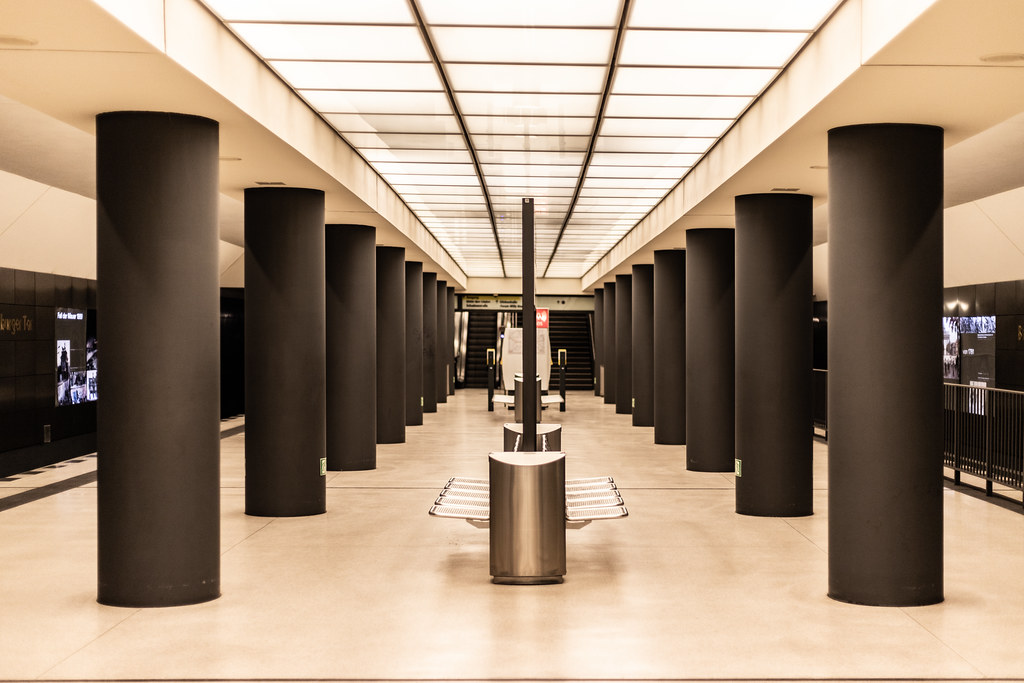
One of Berlin's hidden treasures: every U-Bahn station is designed as art.
Notable Stations:
Heidelberger Platz (U3) ⭐⭐⭐ Colorful geometric tile patterns, warm orange/yellow tones, 1970s aesthetic, Instagram-famous
Fehrbelliner Platz (U7) Modernist design, curved ceilings, orange accents, 1970s architecture
Rathaus Schöneberg (U4) Clean modernist lines, where I could see from my apartment
Westhafen (U9) Industrial aesthetic, raw concrete, exposed infrastructure, brutalist beauty
Olympia-Stadion (U2) Art Deco influence, built for 1936 Olympics
Warschauer Straße (U1/S-Bahn) Friedrichshain hub, above-ground U-Bahn, views of East Side Gallery
Jakob-Kaiser-Platz (U7) Space-age design, futuristic 1970s aesthetic
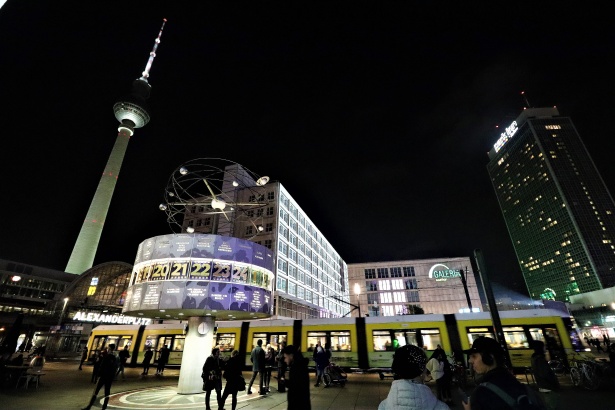
Alexanderplatz (U2/U5/U8, S-Bahn) Major hub, multiple levels, GDR-era tile work, central Berlin energy
The Evolution:
1920s-1930s – Classic tile work, historic design
1950s-1960s West Berlin – Modernist, clean lines
1970s expansion – Colorful, geometric, optimistic
East Berlin/GDR – Functional brutalism
Post-reunification – Modern, sleek design
Pro tip: Get a day ticket and spend time "station hopping"—ride lines specifically to photograph stations. The U7 and U3 have particularly distinctive stations.
The Neighborhoods – Berlin's Distinct Personalities
Berlin has 12+ distinct neighborhood personalities. Here's what you need to know:
Kreuzberg ⭐⭐⭐ (Alternative Heart)
Vibe: Gritty, artistic, punk, multicultural, Turkish influence, street art everywhere
What defines it:
- Street art on every building
- Turkish community (best döner in Berlin)
- Alternative culture, counterculture
- Nightlife central
- May Day riots tradition (avoid May 1st)
Must-experience:
- Görlitzer Park (beautiful but drug dealers present—avoid at night)
- Markthalle Neun (Street Food Thursday)
- Landwehr Canal walks
- Oranienstraße (main drag)
Food:
- Mustafa's Gemüse Kebap (famous döner, long lines, the original)
- Burgermeister (in converted toilet under U-Bahn)
- Turkish bakeries everywhere
Safety: Generally safe, watch belongings, Görli sketchy at night
Prenzlauer Berg ⭐⭐ (Gentrified East)
Vibe: Young families, strollers, organic cafés, gentrified, expensive lattes
What defines it:
- Stroller central ("Prenzlberg")
- Organic everything
- Renovated Altbau buildings
- Former bohemian, now bourgeois
Must-experience:
- Mauerpark Sunday flea market + Bearpit Karaoke
- Kollwitzplatz Saturday farmers market
- Kulturbrauerei (cultural center, former brewery)
Friedrichshain ⭐⭐⭐ (East Side Energy)
Vibe: Young, party, East Berlin identity, less gentrified
What defines it:
- East Side Gallery (1.3km Berlin Wall murals)
- RAW-Gelände (abandoned rail yard, clubs/bars)
- Simon-Dach-Straße (bar street)
- GDR-era architecture visible
Must-experience:
- East Side Gallery (walk entire length)
- RAW-Gelände (clubs, flea markets, street food)
- Berghain (world's most famous techno club, hard door)
Mitte ⭐⭐⭐ (Historical Center)
Vibe: Tourist heart, government buildings, museums, expensive
What defines it:
- Brandenburg Gate
- Museum Island
- Unter den Linden boulevard
- Government quarter
Must-experience:
- Brandenburg Gate (early morning to avoid crowds)
- Reichstag dome (book weeks ahead, free)
- Museum Island (Pergamon, Neues Museum)
- Holocaust Memorial
Warning: Pickpockets active, book museums ahead
Charlottenburg ⭐⭐ (West Berlin Elegance)
Vibe: Wealthy, elegant, West Berlin identity, sophisticated, older demographic
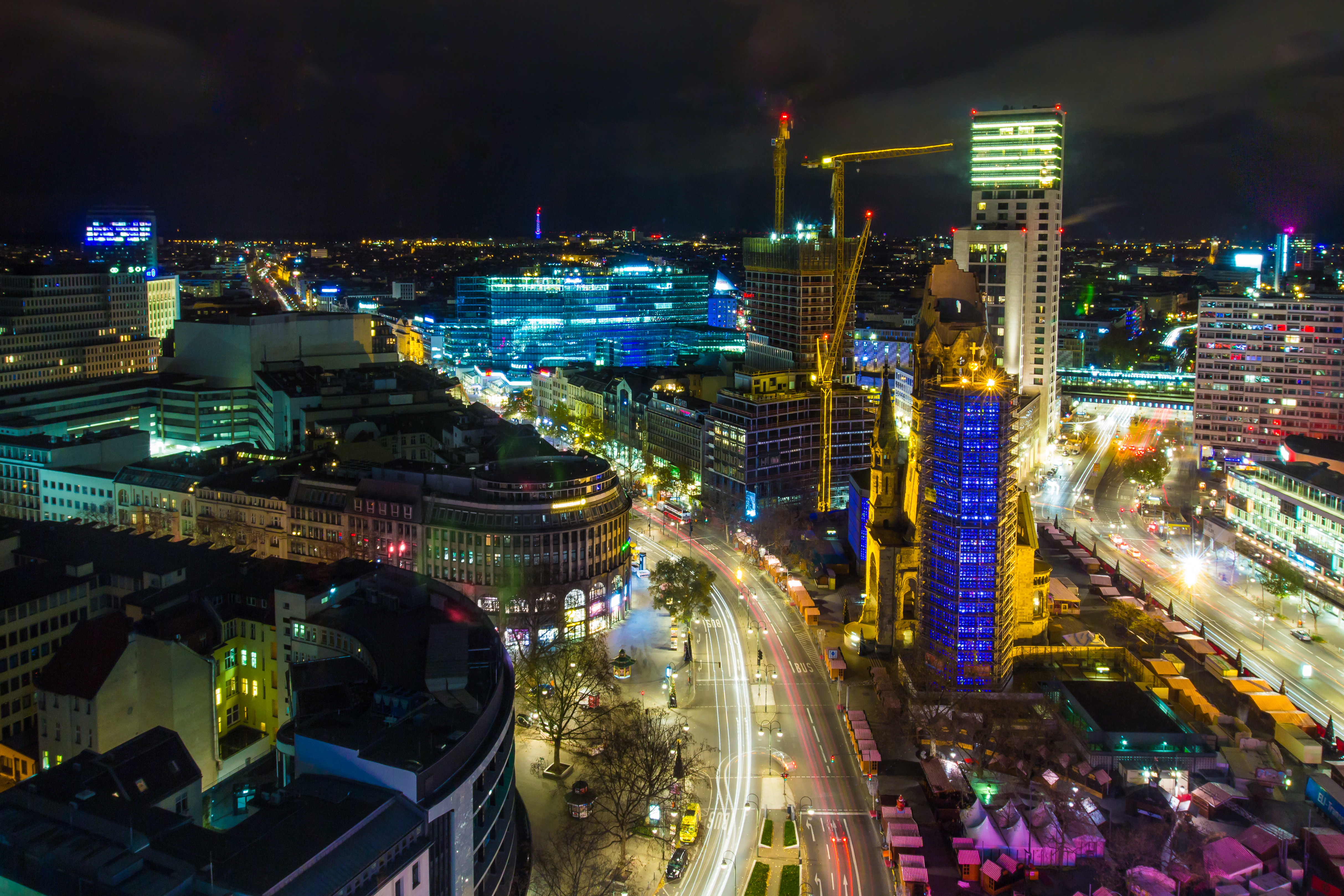
What defines it:
- Kurfürstendamm (Ku'damm) shopping boulevard
- Charlottenburg Palace
- Deutsche Oper
- Kaiser Wilhelm Memorial Church
Must-experience:
- Charlottenburg Palace and gardens
- KaDeWe 6th floor food hall
- Savignyplatz cafés
Schöneberg
Vibe: residential, mix of elegant and gritty
What defines it:
- Nollendorfplatz (pink triangle memorial)
- Schöneberg Rathaus (JFK speech location)
- David Bowie lived here
My perspective:
- Residential, safe, neighborhood feel
- Easy U-Bahn access (U1, U2, U3, U4)
- Mix of Turkish shops, German bakeries
- Winterfeldtplatz Saturday market (where I shopped)
- Close to Tiergarten
Wilmersdorf ⭐⭐ (Quiet Residential) (Where I Lived)
Vibe: Residential, quiet, elegant, safe, boring (in the best way)
What defines it:
- Beautiful pre-war buildings
- Tree-lined streets
- Fehrbelliner Platz (beautiful U-Bahn station)
- Wilhelmsaue (visible from my apartment)
My perspective: Great for living, nothing touristy, peaceful
Neukölln ⭐⭐ (Gentrifying Slowly)
Vibe: Working-class, multicultural, affordable (comparatively), artists moving in
What defines it:
- Most affordable central Berlin rents
- Large immigrant communities
- Tempelhofer Feld (former airport park)
- Sonnenallee (Arab community, authentic food)
Safety: Generally fine during day, be aware at night
Tempelhof, Wedding, Others:
Tempelhof – Mainly Tempelhofer Feld park
Wedding – Working-class, rough edges, less tourist appeal
The Top Attractions
Historical/Memorial Sites
Holocaust Memorial (Memorial to Murdered Jews of Europe) 2,711 concrete slabs, disorienting, powerful, free, underground info center, never leaves you
Jewish Museum Berlin Daniel Libeskind architecture, Holocaust section moving, plan 2-3 hours
Topography of Terror Former Gestapo/SS headquarters, outdoor exhibition, free, sobering
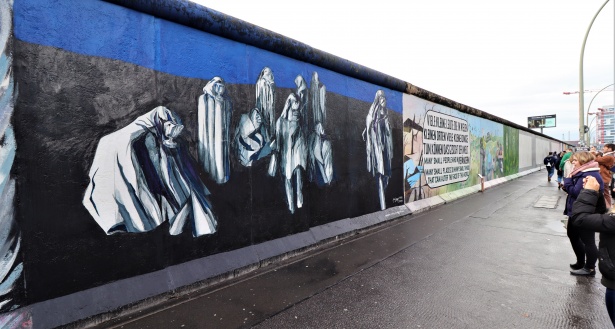
Berlin Wall Memorial (Bernauer Straße) Preserved Wall section with "death strip," free, shows how division worked
East Side Gallery 1.3km of Wall murals, longest remaining section, famous "Kiss" painting
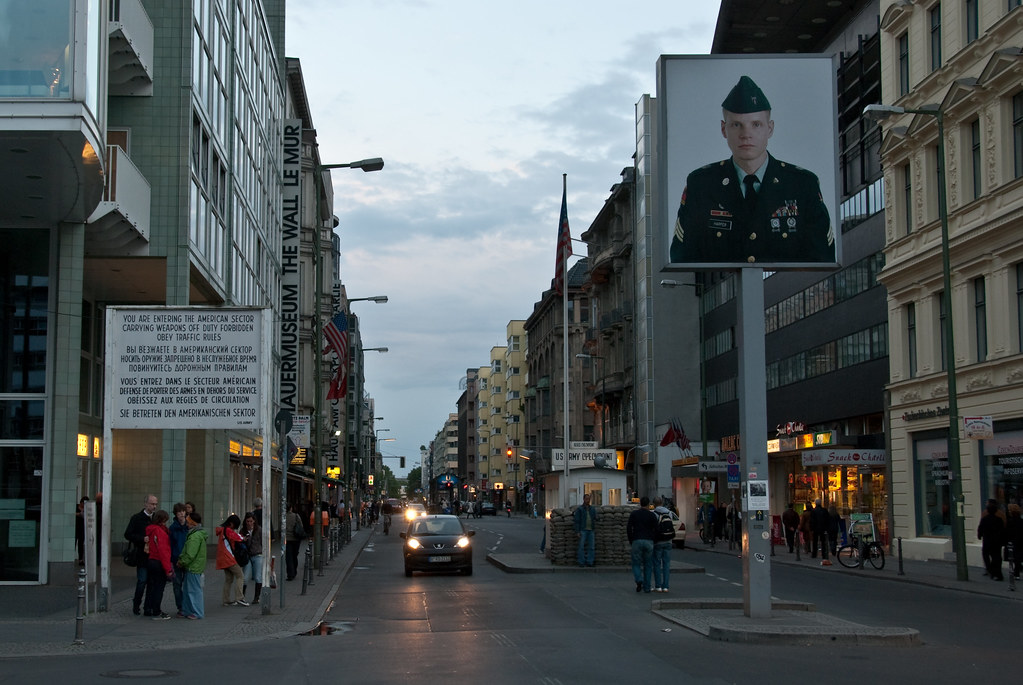
Checkpoint Charlie Touristy but historically significant Cold War crossing point
Bebelplatz Book Burning Memorial Underground memorial where Nazis burned books (1933)
Soviet War Memorial (Treptower Park) Massive Soviet monument, impressive scale
Museums
Pergamon Museum Ancient architecture inside—Pergamon Altar, Ishtar Gate, book months ahead, partially closed for renovation (check status)
Neues Museum Nefertiti bust (can't photograph), Egyptian collection, beautiful building
Alte Nationalgalerie German Romantic art, Caspar David Friedrich paintings
Bode Museum Byzantine art, sculpture collection
German Historical Museum German history medieval to present, helps understand Germany's story
DDR Museum Interactive East German daily life museum, sit in Trabant car
Museum of Natural History Dinosaur skeletons, mineral collection
Hamburger Bahnhof Contemporary art in former train station
Government & Architecture
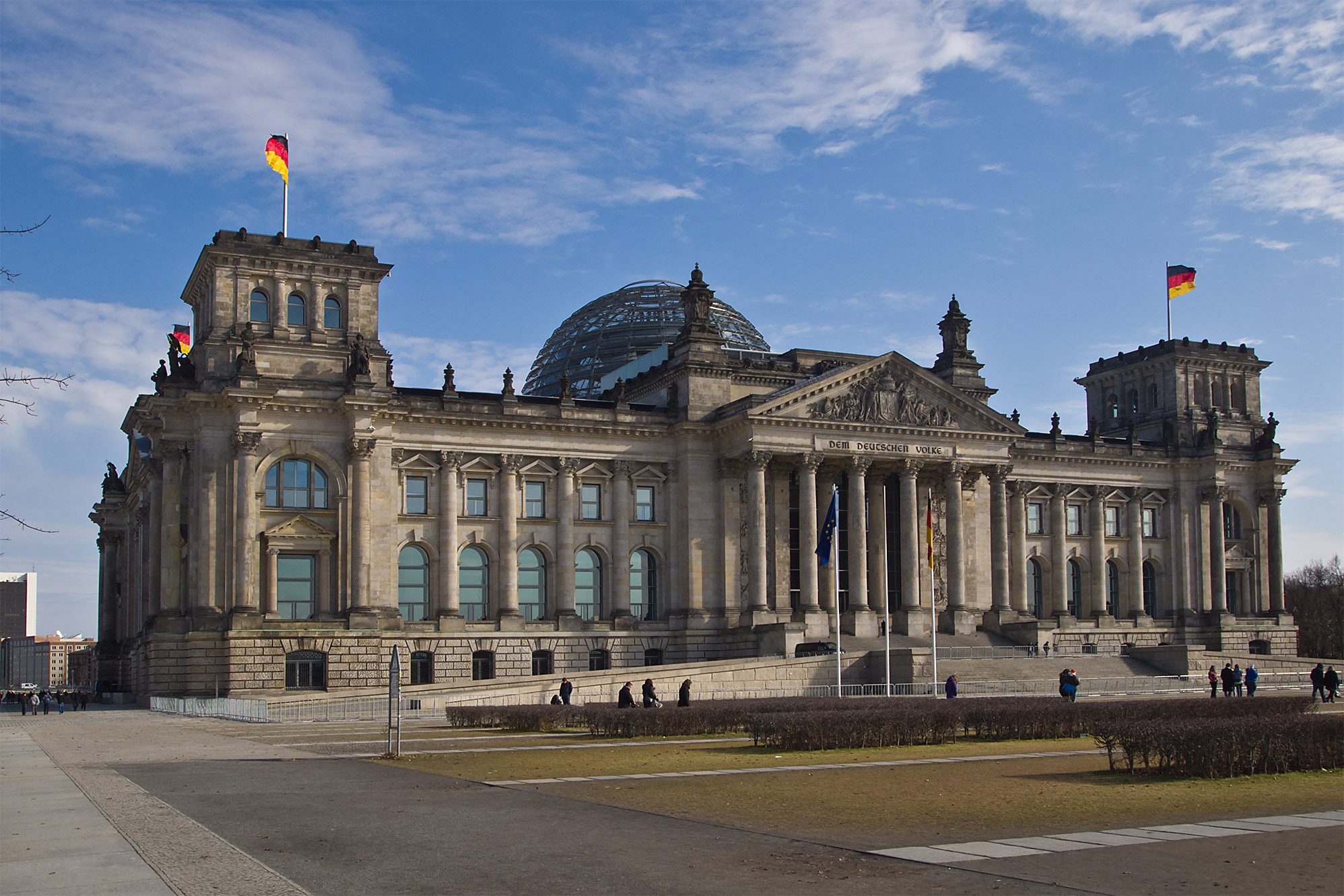
Reichstag Building & Dome Book weeks ahead, free, Norman Foster glass dome, 360° views
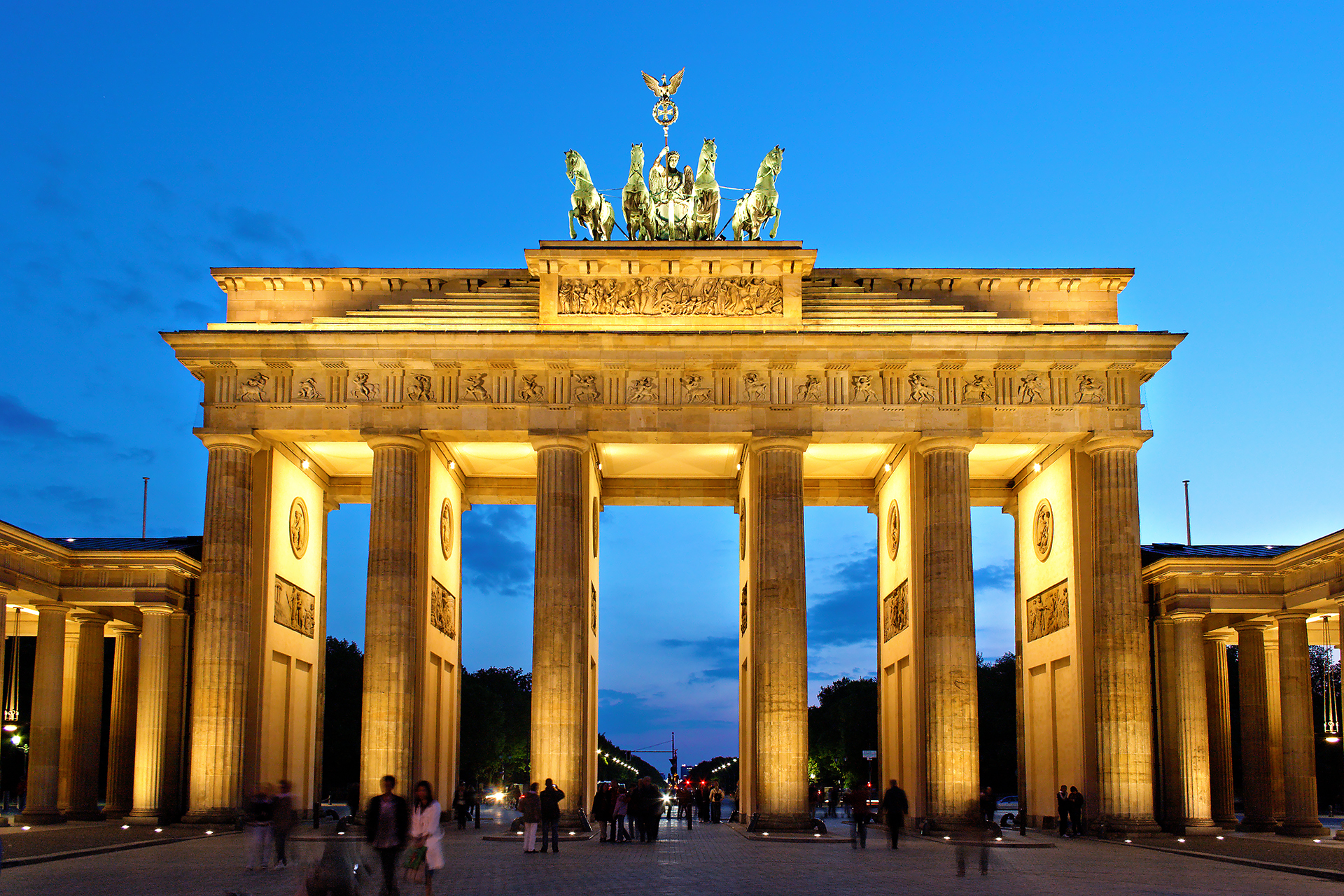
Brandenburg Gate Berlin's symbol, go early to avoid crowds
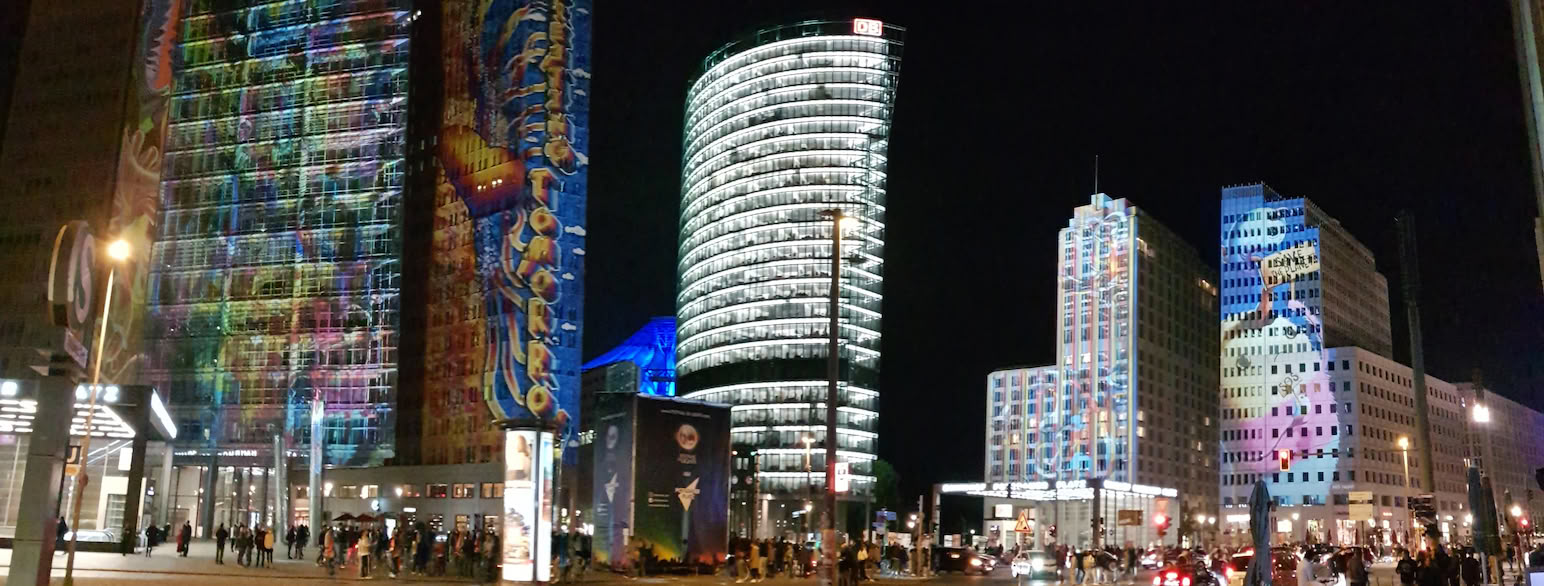
Potsdamer Platz Modern development on former Wall site, Sony Center
TV Tower (Fernsehturm) 368m tall, GDR-era, observation deck (€24.50)
Berlin Kaiser Wilhelm Memorial Church
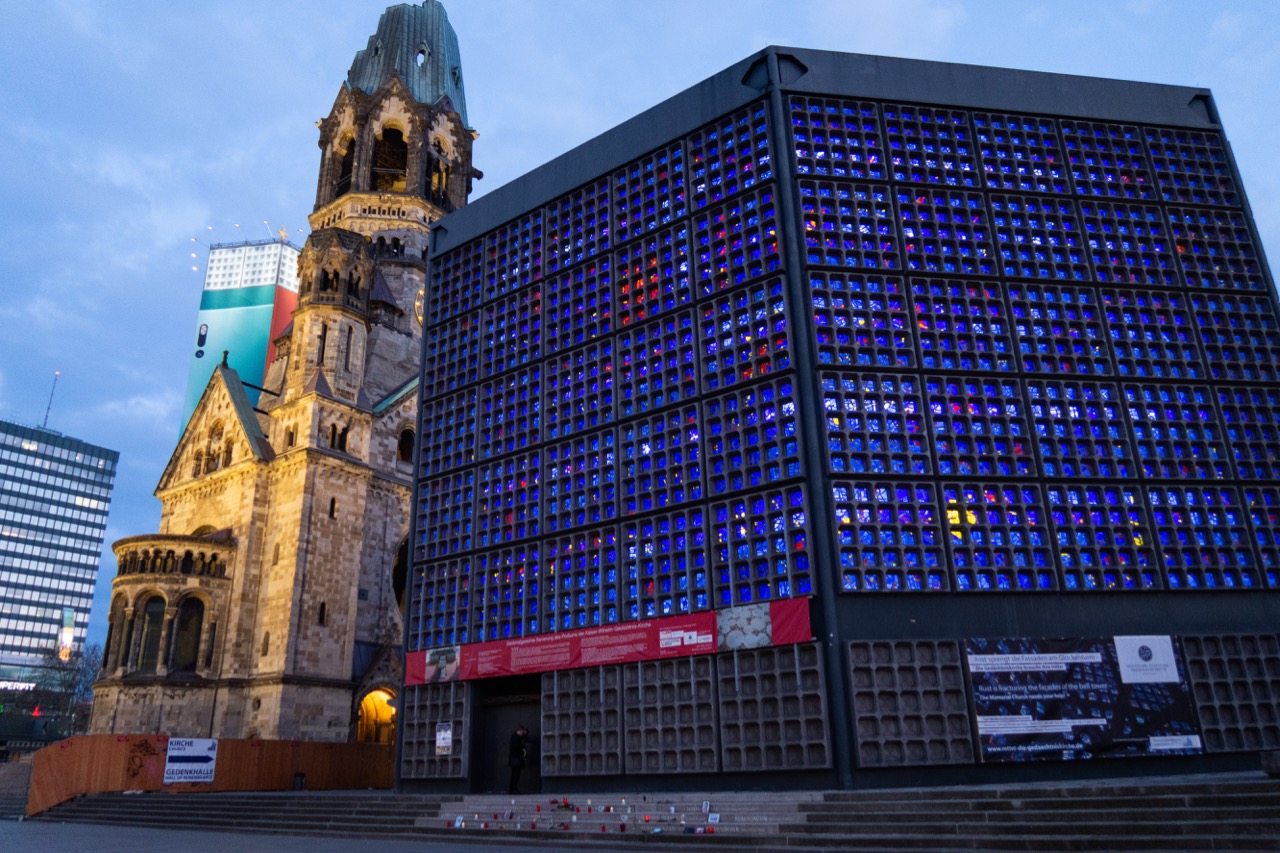
Kaiser Wilhelm Memorial Church Bombed church left as war memorial, modern glass addition
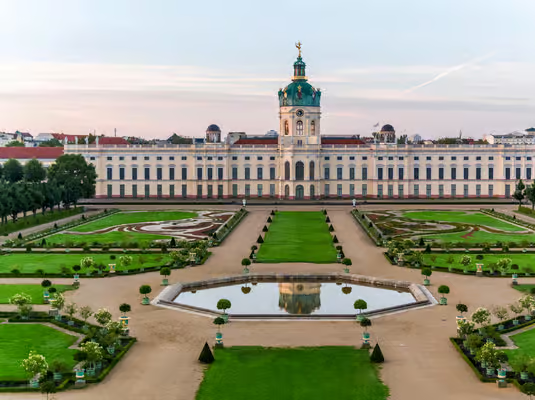
Charlottenburg Palace Largest palace in Berlin, baroque/rococo, gardens
Parks & Outdoor
Tiergarten Berlin's Central Park, Victory Column in center
Tempelhofer Feld Former airport turned park, bike/skate on runways, uniquely Berlin
Treptower Park Soviet War Memorial, along Spree River, peaceful
Grunewald Forest West Berlin forest, Teufelsberg (former NSA listening station)
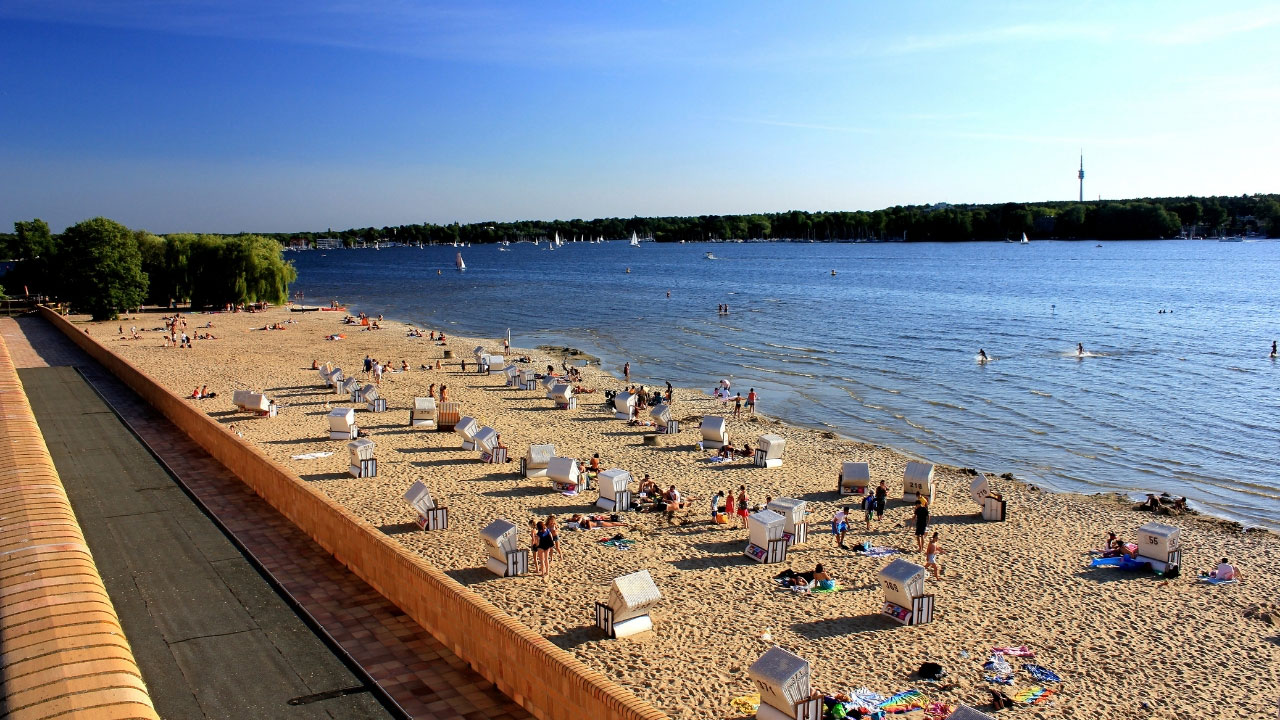
Wannsee Berlin's lake, beaches, swimming in summer
Park Safety: Beautiful during day. At night be cautious—light drug scene exists. Tiergarten safe on main paths, avoid isolated areas. Görlitzer Park has open drug dealing—dealers approach, just say "nein danke."
Universities
Humboldt University Historic, Unter den Linden, Einstein/Marx/Hegel taught here
Free University (Freie Universität) Dahlem, Philological Library worth seeing
Markets & Food
Markthalle Neun (Kreuzberg) Renovated 1890s market hall, Street Food Thursday
Turkish Market (Maybachufer) Tuesdays/Fridays, authentic Turkish produce
Winterfeldtplatz (Schöneberg) Saturday farmers market (where I shopped)
Mauerpark Flea Market Sundays, touristy but fun, Bearpit Karaoke
Nightlife
Berghain World's most famous techno club, selective door, Sunday morning parties, 12+ hours
Watergate Club on Spree River, Oberbaum Bridge views
Clärchens Ballhaus Historic ballroom, different music nightly
Philharmonie Berlin Philharmonic, world-class
Berlin-Only Experiences
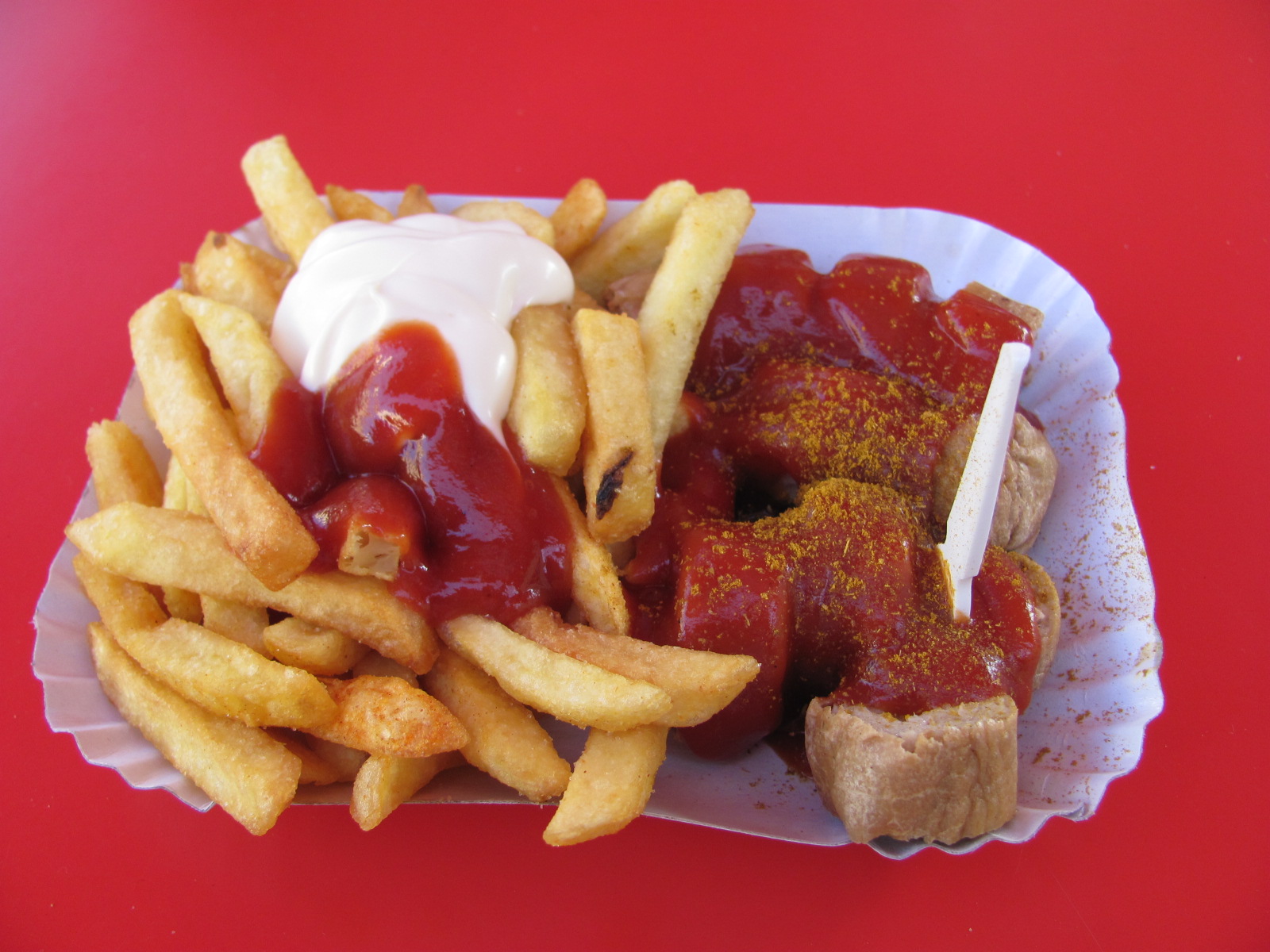
Currywurst Berlin invented it, try at Curry 36 or Konnopke's Imbiss
Döner Kebap Perfected in Berlin, now quintessentially Berlin, Mustafa's most famous
Spätkauf Culture Corner stores open late, buy beer at 11pm, hang outside drinking (legal)
Street Drinking Legal to drink alcohol in public, very Berlin
Techno Culture Clubs open Friday stay open Monday
Berlin-Only Souvenirs:
- Ampelmännchen (East German traffic light man) on everything
- Buddy Bears (colorful bear statues, Berlin's symbol)
- Berlin Wall pieces (supposedly real fragments)
- "Ich bin ein Berliner" items
- Trabant memorabilia (East German car)
Where to buy: Near Brandenburg Gate, Checkpoint Charlie, museum shops, KaDeWe
Day Trips
Potsdam 30 minutes by S-Bahn, Sanssouci Palace, charming town
Sachsenhausen Concentration Camp 45 minutes north, preserved camp, sobering, free tours
Safety – Real Talk from Living There
Berlin is generally safe, but it's a big city.
Safe Areas (Day & Night):
Charlottenburg, Wilmersdorf, Schöneberg (where I lived), Prenzlauer Berg, Mitte tourist areas
Be Aware / Caution at Night:
- Görlitzer Park (Kreuzberg) – Drug dealing (mostly weed), avoid at night
- Kottbusser Tor – Sketchy at night, drug scene
- Wedding – Some rough areas
- Neukölln parts – Some sketchy streets at night
- Alexanderplatz – Pickpockets, drunk people, watch belongings
- Parks at night – Main paths okay, isolated areas avoid
Common Issues:
Pickpockets: Alexanderplatz, Brandenburg Gate, Checkpoint Charlie, crowded U-Bahn
Ticket scams: Buy from machines or app only
Park dealers: Görlitzer Park dealers approach—politely decline "nein danke"
Tips:
Late U-Bahn generally safe – Populated cars, trust instincts
Street drinking legal – But stay aware
Parks after dark – Main paths okay, isolated areas no
Watch belongings – Pickpockets target tourists
Emergency: 112
For Americans: Berlin feels edgier than most US cities but actual crime rate is lower. "Dangerous" areas are mostly aesthetically rough rather than actually unsafe.
Berlin Food Scene
Must-Try Berlin Foods:
Currywurst ⭐⭐⭐ – Fried sausage, curry ketchup, Berlin invented it
- Curry 36 (Kreuzberg)
- Konnopke's Imbiss (Prenzlauer Berg, since 1930)
Döner Kebap ⭐⭐⭐ – Perfected in Berlin
- Mustafa's Gemüse Kebap (Kreuzberg, long lines, the original)
- Imren Grill (Kreuzberg)
- Rüyam (Schöneberg, near where I lived)
Schnitzel – German classic
- Leibhaftig (Kreuzberg)
Turkish Breakfast ⭐⭐⭐ – Berlin's Turkish community
- Café Mugrabi (Kreuzberg)
Vietnamese Food ⭐⭐ – Large community in former East
- Madame Ngo (Prenzlauer Berg)
- Monsieur Vuong (Mitte)
Budget Eating:
Bakeries – Brezel €1-2, Brötchen €0.50-1
Supermarkets – Edeka, REWE, Aldi, Lidl (cheap sandwiches)
Döner – €4-7 (filling)
Currywurst – €3-5
Spätkauf – Beer €1-2, snacks cheap
Mid-Range:
Burgermeister – €6-10
Katz Orange – Farm-to-table, €20-35
Splurge:
Nobelhart & Schmutzig – Michelin star, €185 tasting
Tim Raue – 2 Michelin stars, €150-250
Cafés:
Sit for hours, no pressure. Coffee €3-5, breakfast €6-10.
Bonanza Coffee (Kreuzberg), The Barn (Mitte/Prenzlauer Berg), Café Einstein (Schöneberg, near where I lived)
Berlin Costs
Daily Budget:
Budget (hostel, street food): €50-80
- Hostel: €20-35
- Food: €20-30
- Transit: €9.50
- Museum: €12
Mid-range (hotel, restaurants): €120-180
- Hotel: €80-120
- Meals: €40-60
- Museums: €20-30
Comfortable: €200-300+
What Things Cost:
Food: Coffee €3-5, Döner €5-7, Currywurst €3-5, Restaurant €12-20, Beer at bar €4-6, Beer at Späti €1-2
Transit: Single €3.20, Day pass €9.50, Weekly €40
Attractions: Museums €10-14, Reichstag free, TV Tower €24.50
Accommodation: Hostel €20-35, Budget hotel €60-90, Nice hotel €140-250
Budget Tips:
Buy beer at Späti – €1-2 vs €4-6 at bars
Bakery breakfast – €3-6 vs €12-18 at café
Day pass if 3+ trips – Breaks even
Museums free one day/month – Check schedules
Street food lunch – €5-7 vs restaurant €15+
When to Visit
Spring (April-May) – Best weather, outdoor cafés, parks blooming
Summer (June-August) – Warmest, beer gardens, festivals, BUT hot/humid (30°C+), no A/C
Fall (September-October) – Cool, fewer tourists, beautiful park colors
Winter (November-March) – Cold, gray, dark (sunset 4pm), depressing, BUT Christmas markets beautiful
Recommendation: April-June or September. Avoid July-August (too hot/crowded). December for Christmas markets if you don't mind cold/dark.
Festivals: May 1 (May Day protests, avoid Kreuzberg), Berlin Film Festival (February), Christopher Street Day (July), Festival of Lights (October)
That Electric Berlin Heartbeat
Berlin has a pace unlike other German cities. Fast, intense, relentless—maybe faster than London.
What Makes It Unique:
Speed: People walk fast, U-Bahn runs tight schedules, nightlife moves club to club, neighborhoods gentrify quickly, city never sits still
Intensity: History weighs on every corner—WWII, Holocaust, Cold War, division, reunification. Museums confront you. Memorials force reflection.
Contradictions: Wealthy West vs Communist East (still visible), techno clubs next to Holocaust memorials, graffiti next to luxury, party culture next to serious remembrance
Creativity: Artists flock here (cheaper than London/Paris), galleries everywhere, street art evolving, music scene legendary
24/7 Energy: Clubs open Friday stay open Monday, Spätis never close, U-Bahn runs 24/7 weekends
Grit: Not pretty like Munich. Rough edges—graffiti everywhere, punks, dive bars, authenticity over polish
The Feeling: You're in Berlin and you know it. Faster than Munich, more real than Paris, grittier than London, more creative, historically heavier. It gets in your blood. People move here and never leave. I understand why.
Quick Berlin Checklist
Must-Do:
- Master BVG system (U-Bahn, S-Bahn, Ring-Bahn, app)
- Holocaust Memorial (underground info center)
- Experience 3+ different neighborhoods
- Berlin Wall Memorial (Bernauer Straße)
- Book Reichstag dome (ahead!)
- Museum Island (at least one)
- Eat döner in Kreuzberg
- U-Bahn station architecture tour
- Brandenburg Gate (early morning)
- Berlin nightlife
Neighborhoods:
- Kreuzberg street art walk
- Prenzlauer Berg café culture
- Friedrichshain RAW-Gelände
- Charlottenburg (Ku'damm, Palace)
- Schöneberg Winterfeldtplatz (Saturday)
Food:
- Authentic döner
- Currywurst
- Turkish breakfast
- Berlin café (sit for hours)
- Spätkauf beer experience
Berlin-Only:
- Buy Ampelmännchen souvenir
- Drink beer in public (legal!)
- Day trip to Potsdam
- U-Bahn photography
The Bottom Line
Berlin is not easy. It's not pretty. It's not relaxing. It's complicated, intense, historically heavy, socially layered, aesthetically rough, and relentlessly fast.
And it's addictive.
I lived there and didn't want to leave. Work forced me to move. Even now, Berlin calls. The energy is unmatched—that electric heartbeat where history and modernity collide, where every neighborhood has distinct personality, where U-Bahn stations are art galleries, where you can drink beer at 3am on Tuesday and no one judges, where memorials make you confront humanity's worst and best, where techno clubs run for days, where street art covers everything, where diversity is lived not performed.
The BVG system becomes second nature—you navigate by Ring-Bahn stations, you know which U-Bahn has the best stations, you can get from Kreuzberg to Charlottenburg without thinking. Every neighborhood reveals itself slowly—Kreuzberg's grit, Prenzlauer Berg's strollers, Friedrichshain's energy, Mitte's historical weight, Charlottenburg's elegance, Schöneberg's acceptance.
Parks are beautiful but you stay aware. Museums are world-class. Food is better than expected—Turkish immigrants made döner Berlin's specialty, currywurst is touristy but authentic, bakeries on every corner. Nightlife is legendary. History is inescapable.
My advice? Spend at least 4-5 days. Master the BVG app immediately. Visit Holocaust Memorial early—give it time. Experience three different neighborhoods. U-Bahn station photography tour. Eat döner multiple times. Walk Berlin Wall Memorial. Book Reichstag ahead. Visit Museum Island. Buy Ampelmännchen souvenirs. Drink Späti beer in a park. Stay out late. Let Berlin show you its contradictions—beautiful and ugly, historical and modern, serious and playful.
Berlin won't be everyone's favorite German city. It's too complicated. But it might get under your skin like it did mine. That fast, electric, intense, historically heavy, creatively alive, never-stopping heartbeat.
The city that refused to be defined by its darkest moments, rebuilt itself twice, and now pulses with energy unlike anywhere else.
Essential Apps
BVG FahrInfo Plus – Transit, tickets, essential
Jelbi – Alternative transit app
Google Maps – Works perfectly
Citymapper – Good transit option
Lieferando – Food delivery
DeepL – Better than Google Translate for German
Ready for Berlin? Download the BVG app first. Book Reichstag/Pergamon ahead. Prepare for that electric heartbeat. The city doesn't wait. Bis bald! 🇩🇪