

You step off the train at Amsterdam Centraal and it hits you immediately: the smell of stroopwafels, the sound of bicycle bells ringing like a symphony, the sight of narrow canal houses leaning at impossible angles. There are more bikes than people here—over 880,000 bicycles in a city of 850,000 residents. A tram glides past. Someone on a bike carrying another person, a dog, and groceries sails by effortlessly.
This is not the Netherlands of windmills and tulip fields (well, not entirely).
Amsterdam is effortlessly cool. It's unapologetically liberal. It's a city where 17th-century canal houses stand next to cutting-edge museums, where Rembrandt and Van Gogh share space with street art and coffeeshops, where centuries-old traditions blend seamlessly with radical progressiveness.
I've spent time here, and Amsterdam never stops charming you. It's impossibly photogenic—those UNESCO canal rings reflecting gabled houses. It's culturally rich—some of the world's best art museums are here. It's deliciously contradictory—traditional Dutch values meet some of Europe's most liberal policies. You'll cycle everywhere (even if you haven't been on a bike in years), eat raw herring from a street cart, marvel at Vermeer's technique up close, and maybe end up at a brown café nursing a local beer until midnight.
Here's everything you need to know.
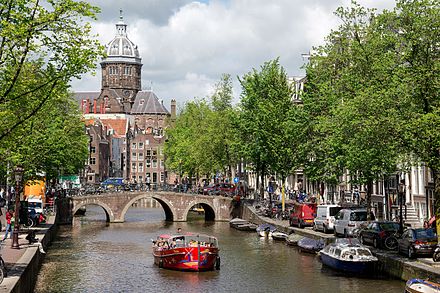
The Amsterdam Moments That'll Stay With You
Cycling Along the Canals at Golden Hour The late afternoon sun catches the water just right. You're on a bike (of course), weaving through other cyclists like you've done this your whole life. The canal houses glow orange and pink. Boats drift by. This is Amsterdam at its most magical—and you're part of it.
Standing in Front of The Night Watch You've seen prints of Rembrandt's masterpiece a million times. But nothing prepares you for seeing it in person at the Rijksmuseum. It's massive—12 feet tall. The detail is staggering. The drama is palpable. You realize why people travel across the world for this.
Eating Stroopwafels Fresh Off the Griddle Forget the pre-packaged ones. Get them warm from a market stall or street vendor. Two thin waffle cookies with caramel syrup between them, served hot. They're sweet, they're messy, they're absolutely perfect with Dutch coffee.
Wandering the Jordaan District on a Sunday Morning The tourists haven't woken up yet. Locals are out getting fresh bread from bakeries. Cafés are filling with people reading newspapers over coffee. The canal-side streets are quiet and charming. This is the Amsterdam that locals know—and it's the best version.
The Anne Frank House You walk through the Secret Annex where Anne and her family hid. You see her actual diary behind glass. The weight of history is overwhelming. It's one of the most powerful museum experiences you'll ever have—sobering, essential, unforgettable.
The Cultural Heavyweights — World-Class Museums
Amsterdam has some of the best museums in Europe. The "Museum Quarter" alone has three world-famous institutions.
Rijksmuseum
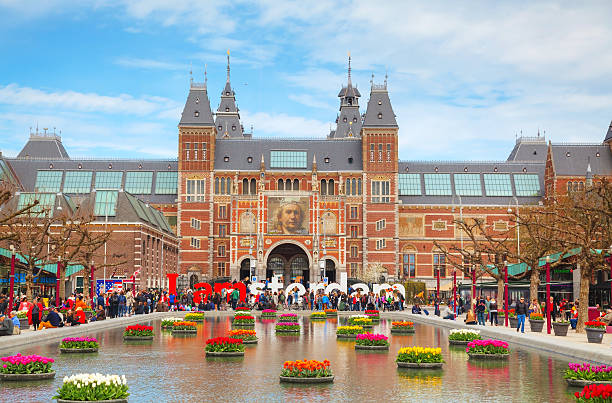
The national museum of the Netherlands. Dutch Golden Age paintings, Delftware, Vermeer, Rembrandt—this is where you understand Dutch art history.
What's here:
- The Night Watch by Rembrandt — The centerpiece. Recently restored, displayed in its own gallery
- The Milkmaid by Vermeer — Intimate, luminous, perfect
- Dutch Golden Age collection — Hundreds of paintings from the 1600s
- Delftware ceramics — The famous blue and white pottery
- Ship models — Netherlands was a maritime power
- Beautiful building — The museum itself is stunning architecture
The experience: You could easily spend 4 hours here. The collection is enormous. The highlights are world-class. The building is gorgeous—stained glass, grand halls, garden courtyards.
Pro tips:
Book tickets online in advance — Sells out daily
Go first thing (9am) — Fewer crowds
Photos allowed (without flash)
Get the audio guide — Essential for context
Cost: €22.50 | Skip-the-line tickets essential
Van Gogh Museum
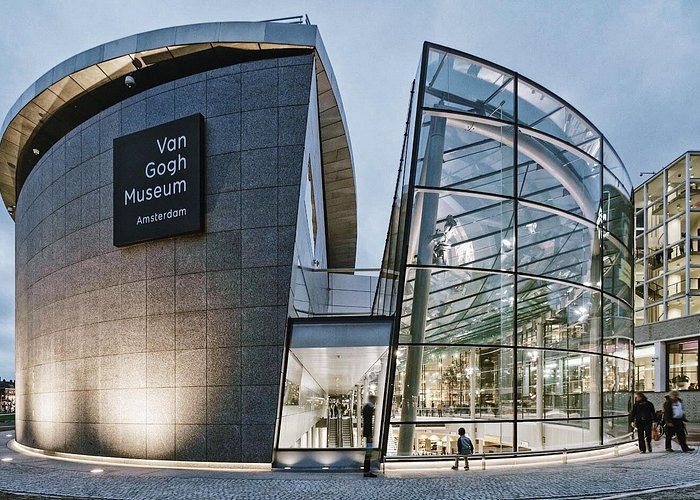
Right next to the Rijksmuseum. The largest collection of Van Gogh paintings and drawings in the world—over 200 paintings, 500 drawings, 750 letters.
What you'll see:
- Sunflowers — The iconic version
- The Bedroom — His room in Arles
- Self-portraits — Watch his style evolve
- Almond Blossom — Stunning, peaceful
- His letters — To his brother Theo, revealing his thoughts
Why it matters: Van Gogh lived a tortured life—mental illness, poverty, sold only one painting before his death at 37. Now his work is priceless. This museum tells that story beautifully.
The vibe: Always packed. Emotional. The audio guide is excellent—includes readings from his letters.
Pro tips:
Book weeks in advance — Sells out almost daily
Late afternoon slots less crowded
Audio guide is a must
No photos allowed inside
Cost: €22 | Advance booking required
Anne Frank House
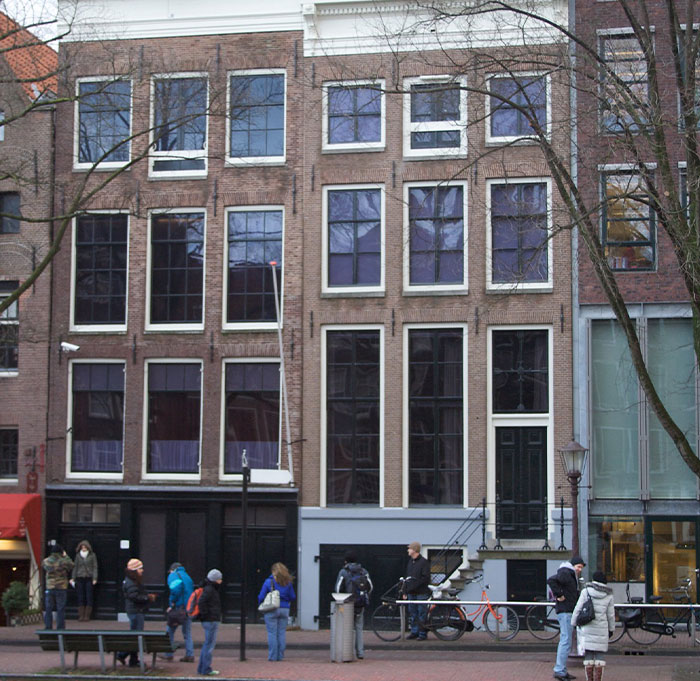
The Secret Annex where Anne Frank and her family hid from the Nazis for two years (1942-1944). Anne wrote her famous diary here. She died in Bergen-Belsen concentration camp at age 15, two months before liberation.
The experience: You walk through the actual rooms where they hid. The bookcase entrance is still there. The rooms are mostly empty (furniture removed after their arrest), which somehow makes it more powerful. Anne's original diary is displayed. The whole experience is deeply moving and essential.
Why you must go: This isn't just Dutch history—it's world history. Anne's diary is one of the most important documents of the Holocaust. Being in the space where she wrote it makes her story heartbreakingly real.
Pro tips:
Releases tickets 6 weeks in advance online — Gone in minutes
Check website at 10am CET on release days
No photos inside
Takes 60-90 minutes
Prepare emotionally — It's heavy
Cost: €16 | Extremely difficult to get tickets
Reality check: This is the hardest ticket to get in Amsterdam. Be ready to book exactly when tickets release or you won't get in.
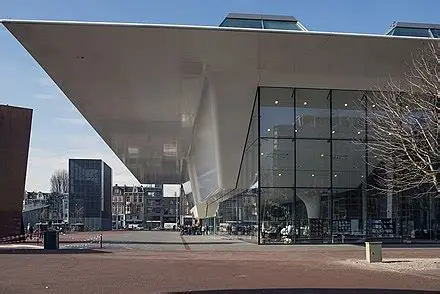
Stedelijk Museum (Modern Art)
Next to Van Gogh Museum. Modern and contemporary art—Mondrian, de Kooning, Picasso, Warhol, Lichtenstein.
The collection: Strong in modern Dutch art, plus big international names. The building itself is striking—classic museum with a weird modern "bathtub" addition (locals love it or hate it).
Worth it? If you love modern art, yes. If not, skip it—the other two museums are better.
Cost: €22.50
Living Like an Amsterdammer
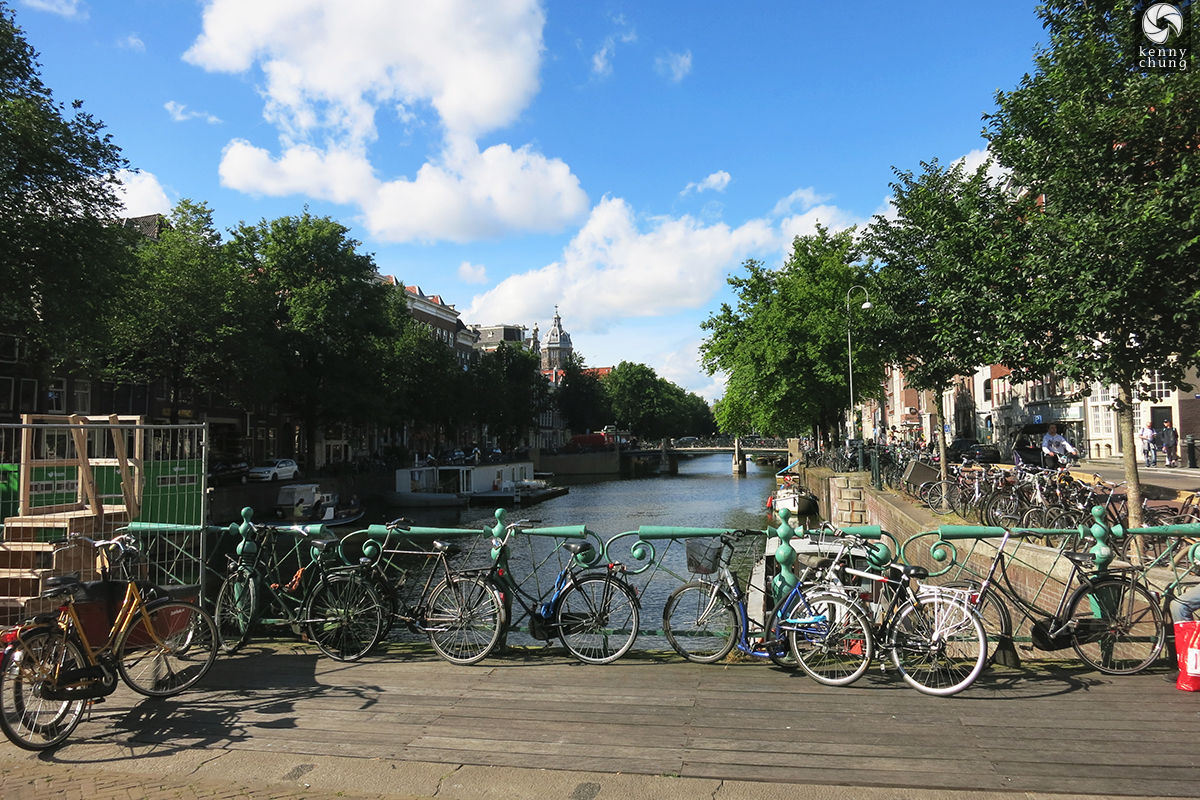
Amsterdam is one of the world's most bike-friendly cities. There are 500km of bike paths. Everyone cycles—businesspeople in suits, mothers with children, elderly people, teenagers. It's not exercise—it's transportation.
Bike Culture
The rules:
- Bike lanes are sacred — Don't walk in them
- Bikes have right of way over pedestrians
- Amsterdammers bike fast and with confidence
- Bike bells mean "move!" — Get out of the way
- Bike parking is chaotic — Just lock yours anywhere there are others
Renting a bike: Tons of rental shops near Centraal Station and around the city. Expect €10-15/day for a basic Dutch bike (upright, single speed, no gears, heavy).
Pro tips:
Rent for a full day minimum
Use two locks (bike theft is common)
Watch for trams — Their tracks are dangerous
Dress for rain — Weather changes constantly
Watch other cyclists — Learn by copying
Reality check: You will almost crash. Amsterdammers are aggressive cyclists. Just stay calm, be predictable, and don't stop suddenly in bike lanes.
The Canals — UNESCO World Heritage
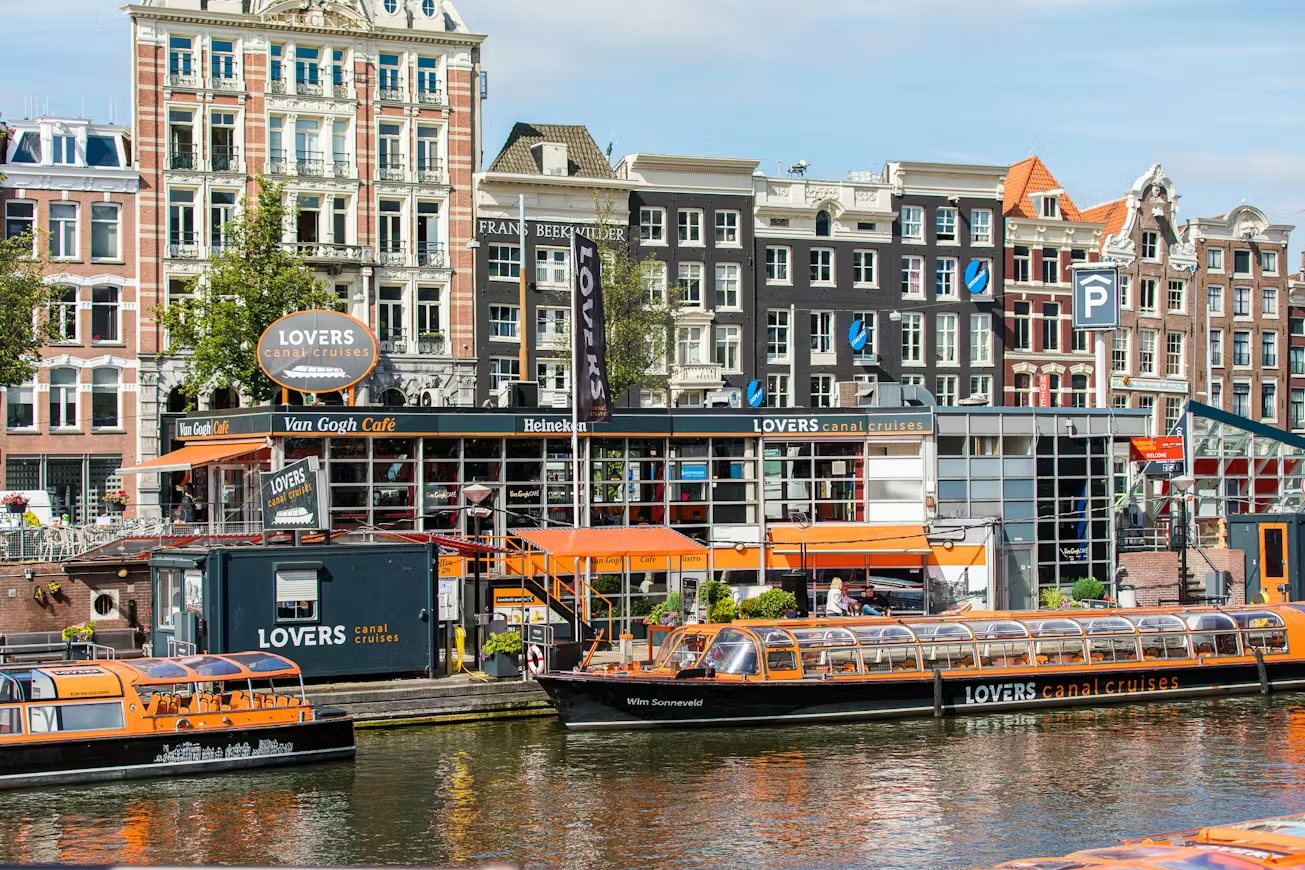
Amsterdam has 165 canals, 1,281 bridges, and 2,500 canal houses. The 17th-century canal ring (Grachtengordel) is a UNESCO site—and absolutely stunning.
The famous canals:
- Herengracht (Gentlemen's Canal) — Grandest houses
- Keizersgracht (Emperor's Canal) — Beautiful, wide
- Prinsengracht (Prince's Canal) — Anne Frank House is here
- Singel — Oldest canal, flower market is here
Canal cruises: Yes, they're touristy. Yes, they're worth it. Seeing the city from water level gives you perspective on the architecture, bridges, and houseboats.
Options:
- Classic hour-long cruise — €15-20, audio guide, covers main canals
- Evening cruise — Canals lit up at night, beautiful
- Pizza/cheese cruise — Touristy but fun
- Private small boat — More expensive but more intimate
My take: Do one cruise. The commentary is interesting, the views are beautiful, and it's a nice break from walking/cycling.
Dutch Food & Eating in Amsterdam
Dutch food gets unfairly dismissed. Yes, it's simple. No, it's not fancy. But it's hearty, comforting, and uniquely Dutch.
Stroopwafels

Thin waffle cookies with caramel syrup in the middle. Get them warm from market stalls or street vendors—completely different from pre-packaged ones.
Where: Albert Cuyp Market, any street market, or Van Wonderen Stroopwafels (expensive but theatrical—they dip them in toppings)
Raw Herring (Hollandse Nieuwe)
Sounds weird. Tastes amazing. Raw herring (technically it's cured in brine) served with chopped onions and pickles. You're supposed to hold it by the tail and eat it in a few bites.
Where: Street carts near Centraal Station, Nieuwmarkt
Cost: €3-5 per fish
Reality check: It's an acquired taste. Try it once. If you hate it, you'll have a story. If you love it, you'll crave it.
Bitterballen
Deep-fried balls with creamy beef ragout inside. Crispy outside, soft inside. Best eaten with mustard and beer.
Where: Every brown café (traditional Dutch pub) has them
Cost: €5-8 for 6
Poffertjes
Tiny fluffy pancakes dusted with powdered sugar and butter. Sweet, light, addictive.
Where: Street markets, pancake houses
Cost: €5-7
Dutch Cheese
Gouda, Edam, Leyden—Dutch cheese is world-class. Sample before buying.
Where: Albert Cuyp Market, cheese shops in Jordaan
Day Trip: Keukenhof Gardens (Spring Only)
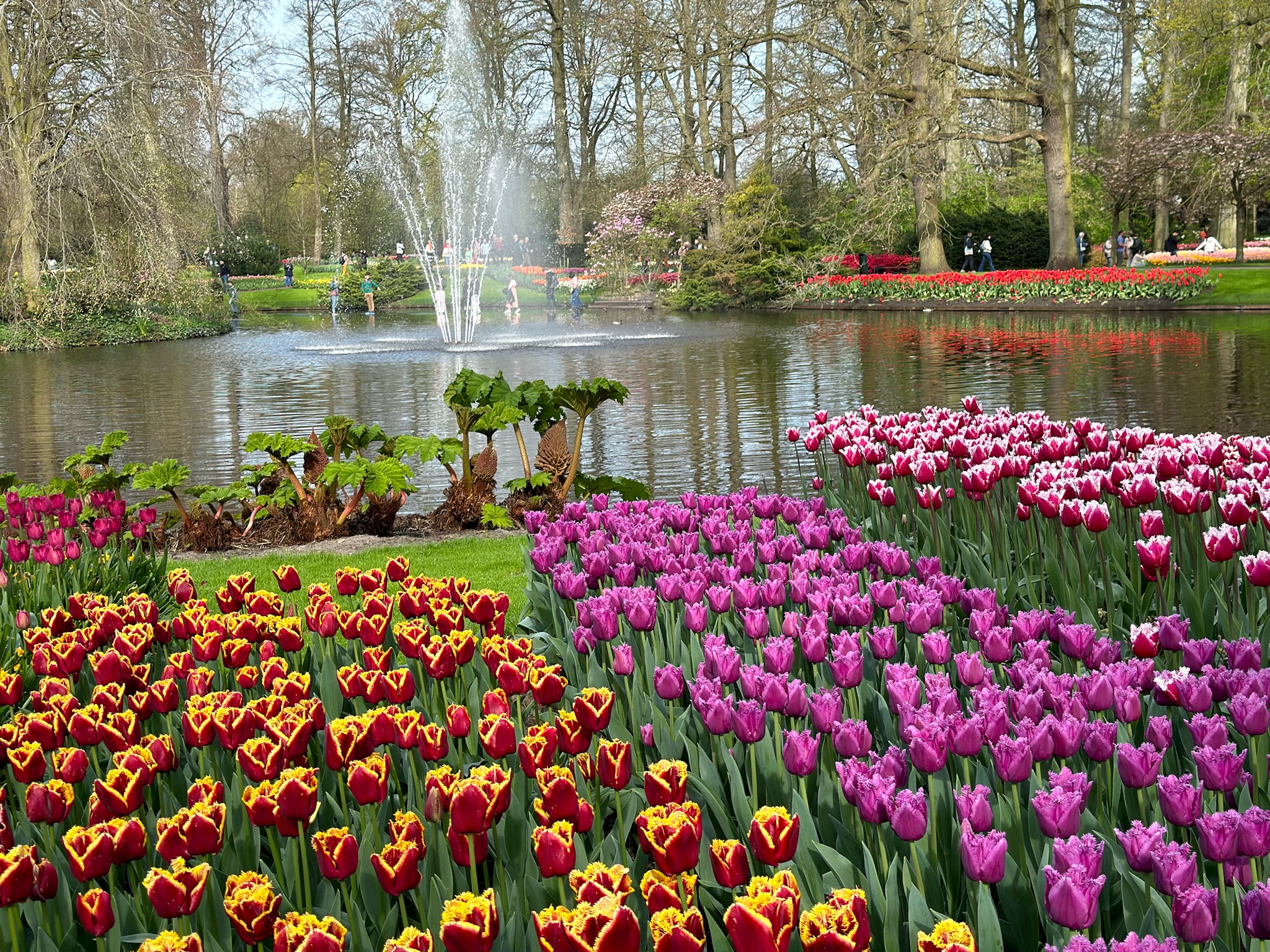
Open: Mid-March to mid-May only (check exact dates each year)
Distance: 40km from Amsterdam (about 1 hour)
The most famous tulip garden in the world. 7 million flowers bloom across 32 hectares. Tulips, daffodils, hyacinths in every color imaginable. It's stunning, surreal, and absolutely worth the trip if you're visiting in spring.
What to expect:
- Endless fields of tulips in bloom
- Themed gardens and pavilions
- Perfect Instagram photos
- VERY crowded (500,000+ visitors in 8 weeks)
Pro tips:
Buy tickets online in advance
Go early (opens at 8am) — Crowds arrive by 10am
Bring a good camera
Check weather forecast — Best on sunny days
Take Keukenhof Express bus from Amsterdam Centraal
Getting there:
- Bus from Amsterdam Centraal Station (€28 return including entry)
- Or drive and park (limited spaces)
Cost: €21.50 entry (bus combo €28)
Time needed: 3-4 hours at the gardens
Reality check: If you're visiting Amsterdam outside of March-May, Keukenhof is closed. Don't plan your entire trip around it without checking dates.
Where to Stay in Amsterdam
Jordaan — Charming, canal-side, local vibe, excellent cafés De Pijp — Trendy, young, great food scene, Albert Cuyp Market Museum Quarter — Near major museums, upscale, quieter Central/De Wallen — Convenient but touristy and loud Amsterdam Noord — Hip, cheaper, across the river, ferry access
Budget: €80-120/night (hostel or budget hotel) Mid-range: €150-250/night (boutique hotel or nice Airbnb) Luxury: €300+/night (canal house hotel)
Pro tip: Book far in advance. Amsterdam hotels are expensive and fill up fast.
Getting to Amsterdam
From Germany:
- ICE train from Frankfurt — 4 hours direct
- From Stuttgart via Mannheim — 6-7 hours
- From Ramstein — Train to Mannheim, then direct to Amsterdam
Within Netherlands:
- Trains connect everything
- OV-chipkaart (transport card) makes travel easy
Perfect Amsterdam Itinerary (2-3 Days)
Day 1: Museums & Canals
- Morning: Rijksmuseum (3 hours)
- Lunch: Stroopwafels at market
- Afternoon: Canal cruise
- Evening: Jordaan neighborhood dinner
Day 2: Anne Frank & Bikes
- Morning: Anne Frank House (book tickets!)
- Rent a bike
- Afternoon: Cycle along canals, explore Jordaan
- Evening: Brown café for bitterballen and beer
Day 3 (Spring): Keukenhof
- Early bus to Keukenhof Gardens
- Return by early afternoon
- Explore De Pijp neighborhood
- Albert Cuyp Market
Bonus Activities:
- Van Gogh Museum
- Red Light District walking tour
- Vondelpark picnic
- Windmills at Zaanse Schans
Budget Guide
Per day (budget): €80-100
- Hostel: €30-40
- Food: €30-40 (markets, street food, brown cafés)
- Museums: €20 (1 museum/day)
- Transport: Free (walk/bike)
Per day (mid-range): €150-200
- Hotel: €80-120
- Food: €50-70 (mix of casual and nicer restaurants)
- Museums: €40 (2 museums/day)
- Transport/activities: €20
Expensive:
- Museums (€20-25 each)
- Accommodation (higher than most European cities)
- Eating out (Amsterdam is pricey)
Cheap:
- Biking (€10-15/day rental)
- Stroopwafels, herring, market food
- Canal walking (free!)
Amsterdam is special. It's beautiful, weird, historical, progressive, charming, and unforgettable. You'll cycle more than you expected. You'll eat things you never thought you'd try. You'll stand in front of paintings you've seen in textbooks and realize they're even better in person.
And you'll leave wanting to come back.
Questions? Email us: european.living.live@gmail.com
Last updated: February 2026