
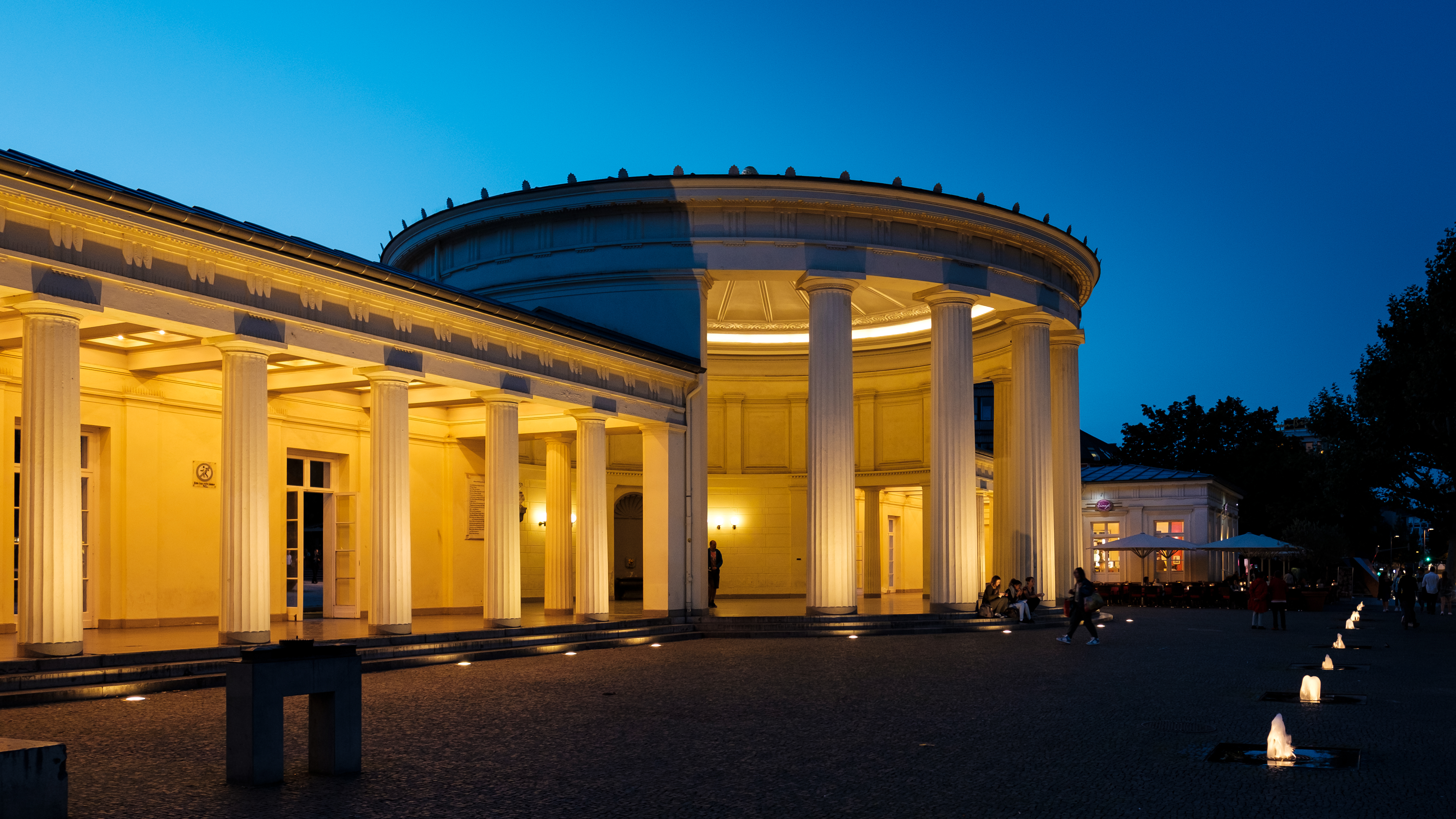
You step into Aachen's old town and immediately feel its unique character. Students fill outdoor cafés—RWTH Aachen is one of Europe's top universities. The smell of fresh Printen (gingerbread cookies) drifts from bakeries. The cathedral's dome rises above medieval buildings—Charlemagne built that in the 8th century. You sip coffee in the market square while locals go about their day. And here's the kicker: walk 20 minutes in any direction and you're in Belgium or Netherlands. This is where three countries meet.
This is not Berlin's edge or Munich's grandeur.
Aachen is thermal spa heaven (hot springs since Roman times, soak in 2,000-year-old waters). It's three-country unique (Germany, Belgium, Netherlands borders meet here). It's Printen paradise (Aachen's signature gingerbread, 300+ years of tradition). It's Christmas magic (one of Germany's best Christmas markets). It's cozy small-city charm (compact old town, students, cafés, livable). And it's affordable—you can experience history, relax in thermal baths, eat well, and explore three countries without big-city prices.
I've spent time here, and Aachen is one of Germany's most underrated gems. It's not trying to compete with major cities. It's just beautiful, historic, relaxing, and happens to have one of Europe's most important cathedrals plus the geographic quirk of three-country borders.
Here's everything you need to know.
The Aachen Moments That'll Stay With You
Standing in Three Countries at Once You're at the Dreiländereck—the point where Germany, Belgium, and Netherlands meet. There's a stone marker. A labyrinth you walk through that crosses all three borders. You take photos with one foot in each country. It's a geographic novelty that makes Aachen uniquely fun. Where else can you have breakfast in Germany, lunch in Belgium, and coffee in Netherlands—all within 30 minutes?
Soaking in Carolus Thermen in Winter You're in thermal spa waters that have flowed for 2,000 years. Outside it's cold—maybe snowing. But the water is perfectly hot (32-34°C), naturally heated, mineral-rich. You float, relax, let centuries of spa tradition work their magic. This is peak Aachen—therapeutic, historic, incredibly relaxing.
Printen with Hot Chocolate at Christmas Market The market fills Aachen's old town. You're eating warm Printen (Aachen's spiced gingerbread) with hot chocolate, standing in the shadow of Charlemagne's cathedral. Snow falls. Lights twinkle. Glühwein vendors call out. This is cozy German Christmas perfection—one of Germany's oldest and best markets.
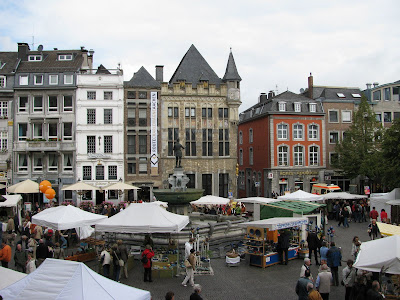
Coffee at Market Square on a Sunny Day You're sitting outside a café in the Markt. The Gothic town hall rises behind you. Students bike past. Church bells ring. Someone's buying fresh Printen from a bakery. The pace is slow, the vibe is charming. This is small-city Germany at its most livable—no rush, just pleasant daily life.
Walking to Belgium for Lunch You literally walk 20 minutes from Aachen center and cross into Belgium. Maybe you grab Belgian fries and beer. Then walk back to Germany. This border fluidity defines Aachen's character—international, connected, European in the truest sense.
🇧🇪🇳🇱 Three-Country Point – The Geographic Quirk
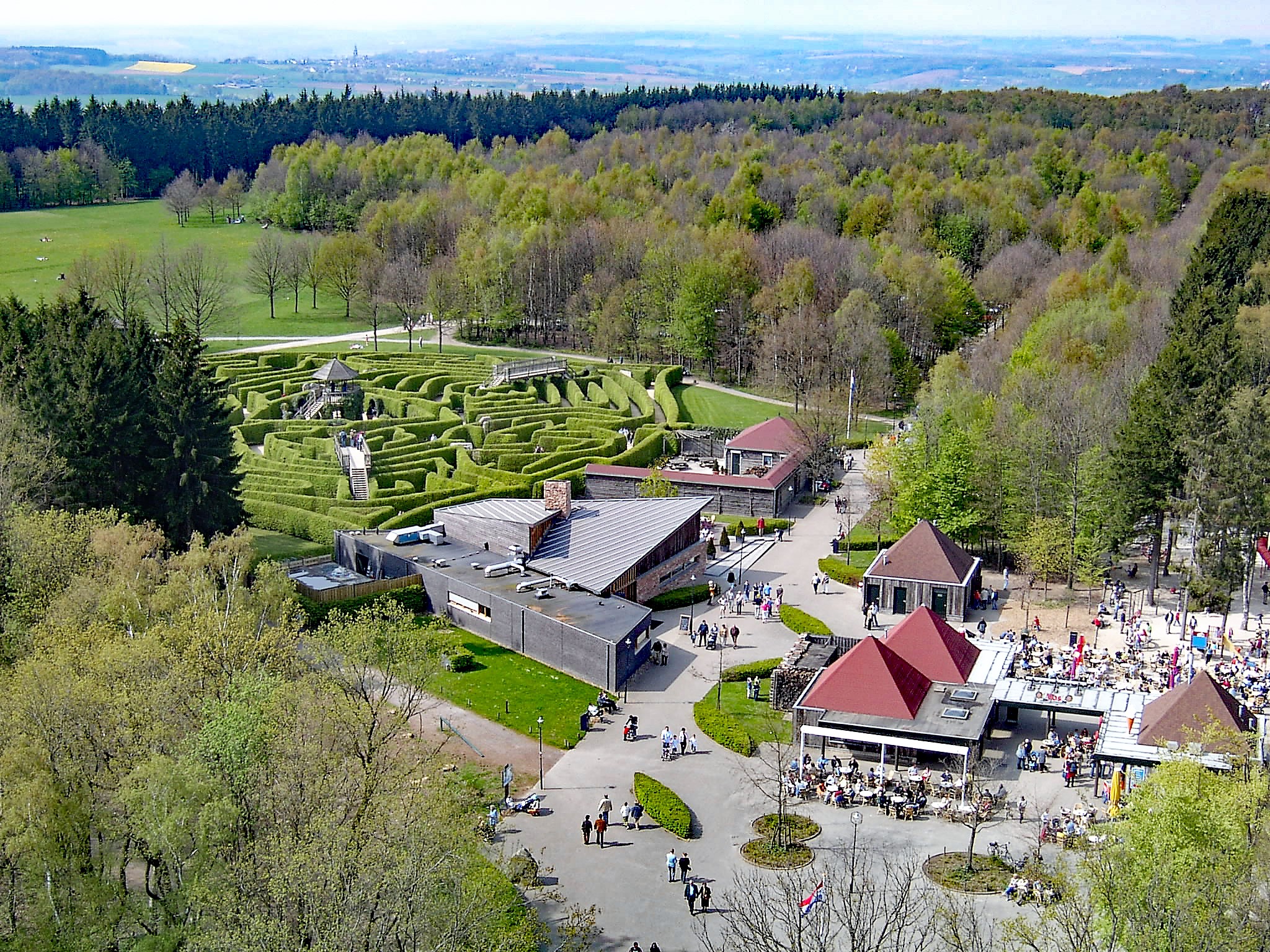
The Dreiländereck—where Germany, Belgium, Netherlands meet. About 10km from Aachen city center.
What's There:
Stone marker showing the three borders meeting
Labyrinth – Walking path that crosses between all three countries. You literally walk from Germany to Belgium to Netherlands in seconds.
Tower – Climb for views (tower is in Netherlands)
Café – Have coffee while standing in three countries
The experience: It's a novelty, sure. But it's genuinely fun. You take photos, walk the labyrinth, buy snacks from three different countries (Belgium has better chocolate, Netherlands has stroopwafels, Germany has... well, you're already there).
How to Get There:
- Bus 14 from Aachen center (30 minutes)
- Bike – Good cycling path, scenic ride
- Walk – About 2 hours from center (doable if you like hiking)
Cost: Free to visit
Pro tips:
Bring passport for photo with three-country marker
Rent a bike – Most scenic way to go
Try snacks from all three countries at the café
Wear comfortable shoes – Walking the labyrinth and area
Worth it? If you love geographic quirks and want a fun half-day adventure, yes. If you're just passing through Aachen quickly, the novelty alone might not justify the trip. But it's genuinely cool to stand in three countries at once.
Thermal Spa Culture – 2,000 Years of Relaxation
Carolus Thermen
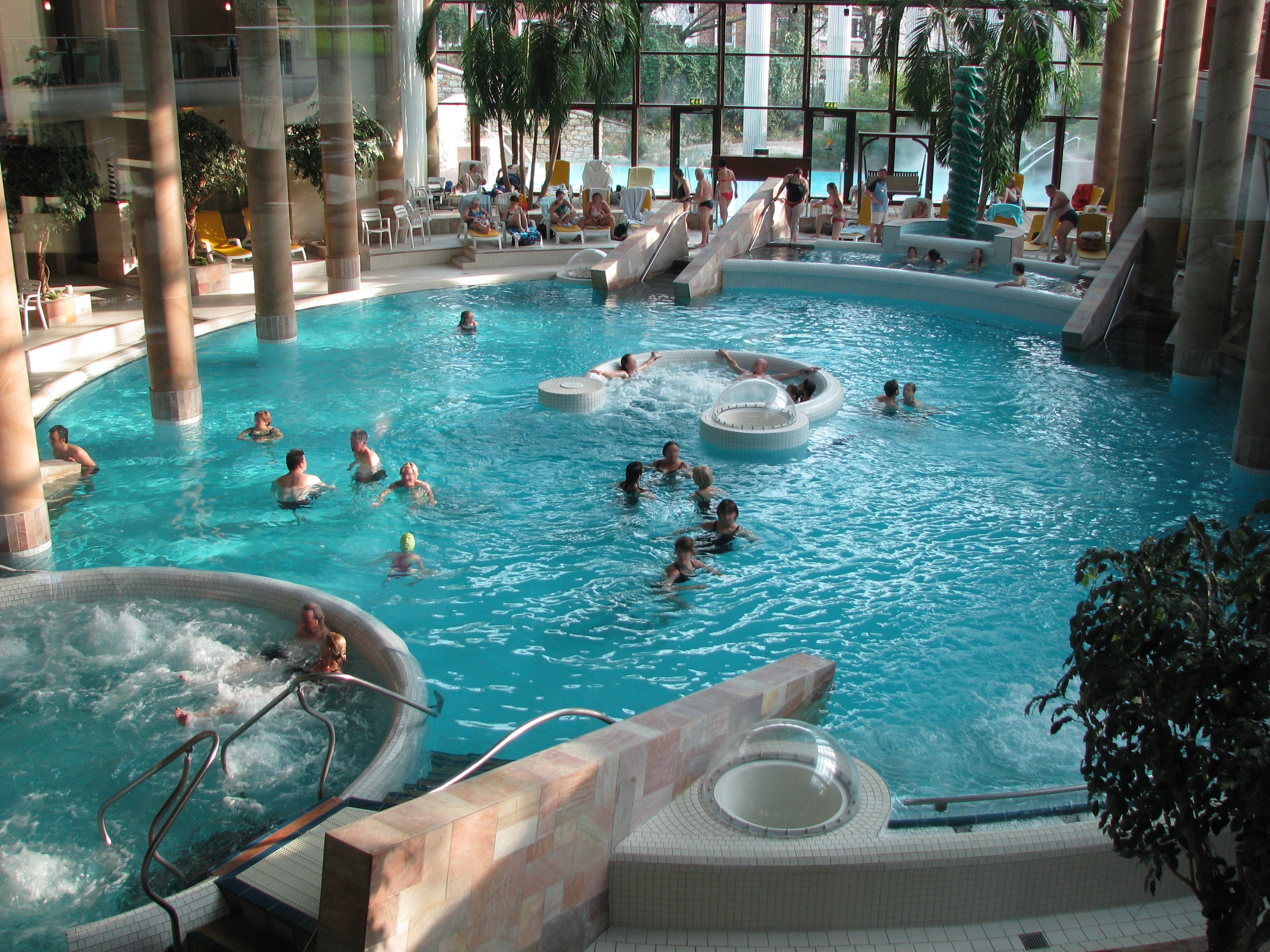
Modern thermal spa using Aachen's natural hot springs. Multiple indoor and outdoor pools (26-34°C), saunas, steam rooms, relaxation areas.
Why it matters: Aachen's thermal waters are naturally heated by geothermal activity, mineral-rich, genuinely therapeutic. Romans bathed here 2,000 years ago. Charlemagne built his palace here partly because of these hot springs. In 18th-19th centuries, Aachen was Europe's fashionable spa town—Casanova, Handel, Peter the Great all visited.
The experience: Relaxing, therapeutic, not fancy. More health-focused than luxury. Germans take spa culture seriously—expect quiet zones, nudity in saunas (textile-free areas), efficient locker systems.
What to expect:
- Thermal pools – Indoor and outdoor, different temperatures
- Sauna area – Multiple saunas and steam rooms (optional, often nude)
- Relaxation areas – Heated loungers, quiet zones
- Bring: Swimsuit (required in pools), towel, flip-flops (can rent but expensive)
Cost: €18 for 2 hours, €22 for 3 hours
Time: Budget 2-3 hours minimum
Pro tips:
Go mid-afternoon weekday – Fewer crowds
Winter is magical – Hot water + cold air + steam
Swimsuit required in pools – Saunas may be nude (optional)
Rent locker with chip bracelet – Secure and easy
Worth it? Absolutely. This is a uniquely Aachen experience—relaxing in waters that have flowed for millennia. Budget €20-25 and 2-3 hours. You'll leave feeling amazing.
Printen – Aachen's Signature Cookie
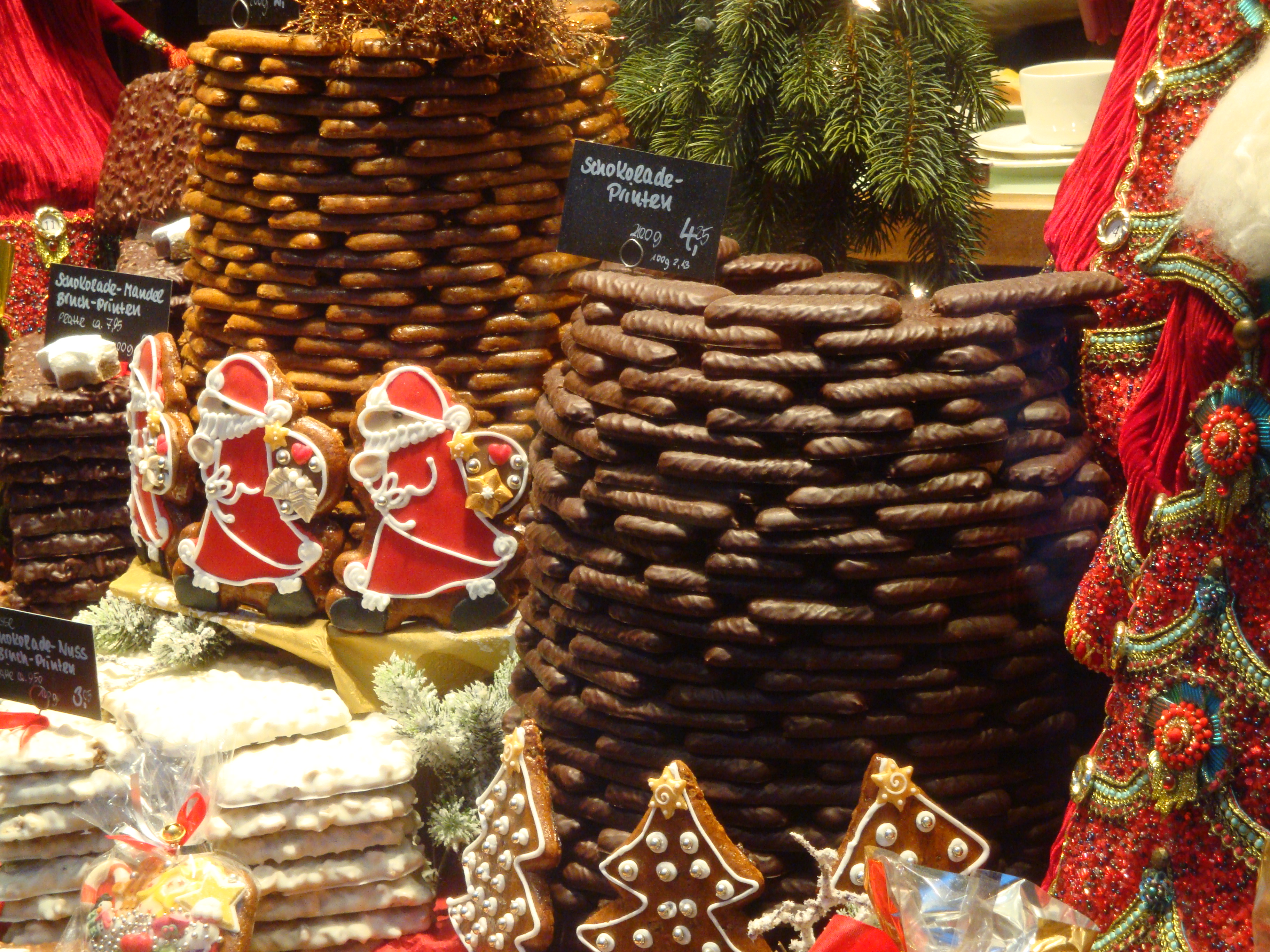
Aachen's most famous food. Spiced gingerbread cookies with honey, nuts, and spices (cinnamon, clove, cardamom, anise). Similar to Lebkuchen but harder, crunchier, uniquely Aachen.
The Tradition:
Made here for 300+ years. Originally expensive (imported spices costly). Now available year-round but especially popular at Christmas.
Types:
Soft Printen – Chewy, more gingerbread-like texture
Hard Printen – Traditional, crunchy, keeps for months
Chocolate-covered – Modern version, popular with tourists
Nut Printen – With almonds or hazelnuts
Where to Buy:
Nobis Printen – Most famous, traditional recipes, beautiful shop
Leo van den Daele – Historic café in gorgeous old building, serves Printen with coffee, Instagram-worthy interior
Klein Café – Bakery-café, fresh Printen, local favorite
Supermarkets – Cheaper packaged versions (not as good as fresh)
Cost: €2-5 depending on size and type
Pro tips:
Buy fresh from bakeries – Way better than packaged tourist versions
Have with coffee – Traditional pairing
Make great gifts – Keep for months, uniquely Aachen
Leo van den Daele – Beautiful café for photos and Printen experience
Reality check: Printen are an acquired taste. They're not soft American-style cookies. They're hard, spiced, honey-based. Some people love them, some find them too hard. Try a small one first before buying a box.
Aachen Christmas Market – One of Germany's Best
If you're visiting November-December, Aachen's Christmas market is spectacular—one of Germany's oldest and best.
What makes it special:
- Location – Fills the old town, centered on Markt square, cathedral as backdrop
- Traditional – Authentic German market, not overly commercialized
- Scale – Multiple areas throughout old town
- Food – Glühwein, Reibekuchen (potato pancakes), bratwurst, Printen
- Atmosphere – Cozy, festive, charming
When: Late November through December 23rd usually
Cost: Free to enter (just pay for food/drinks)
What to eat/drink:
- Glühwein – Hot mulled wine, €3-4 per mug (mug deposit refundable)
- Reibekuchen – Potato pancakes with applesauce
- Printen – Fresh and warm
- Bratwurst – Grilled sausages
- Gebrannte Mandeln – Roasted almonds
Pro tips:
Go multiple times – Evening is most atmospheric with lights
Collect mugs – Each year has unique design
Best photos at dusk – Lights on, still some daylight
Dress warm – December in Aachen is cold!
The Historic Heart – Old Town Charm
Aachen Market Square (Markt)
The heart of Aachen. Cafés with outdoor seating, the Gothic town hall, locals going about their day.
What's here:
- Rathaus (Town Hall) – Gothic building, can tour inside (€6)
- Cafés and restaurants – Perfect for people-watching
- Christmas market (December)
- Events – Concerts, festivals throughout year
The vibe: Relaxed, student-influenced (RWTH brings 30,000+ students), locals chatting over coffee
Best time: Sunny afternoon, grab a coffee, watch the world go by
Pontstrasse
Street full of international restaurants, cafés, bars. Student district.
Why visit: Cheap eats, diverse food (Turkish, Asian, Italian, German), student energy, evening bar scene
Good for: Lunch or dinner on a budget (€8-12 meals)
Traditional Aachen Food
Sauerbraten
Marinated beef roast. Regional specialty. Tangy, tender, served with red cabbage and dumplings.
Where: Traditional German restaurants like Am Knipp, Postwagen
Reibekuchen
Potato pancakes. Crispy, delicious, served with applesauce or herb quark.
Where: Christmas market, street stalls, traditional restaurants
Cost: €4-6
Local Beer
Degraa Pils – Local Aachen brewery, decent lager
Where: Most bars and restaurants carry it
Getting Around Aachen
Aachen is tiny and walkable. Old town attractions within 10-15 minutes of each other on foot.
Public Transit:
Buses and trams cover city. Mostly needed for reaching Three-Country Point or outskirts.
Tickets:
- Single: €3
- Day ticket: €7
- Group day: €13 (up to 5 people)
Reality: You likely won't need transit much unless going to Dreiländereck or Carolus Thermen (both bus-accessible).
Walking:
Best way to see Aachen. Compact old town, everything close, pleasant to walk.
Biking:
Good cycling infrastructure. Bike rental available. Great for reaching Belgium or Netherlands.
Aachen on a Budget
Aachen is very affordable compared to larger German cities.
Budget tips:
Student cafés on Pontstrasse – Cheap meals (€8-12)
Bakeries for breakfast – €3-5
Thermal spa worth the splurge – €18-22, therapeutic
Buy Printen from bakeries not tourist shops
Walk everywhere – No transit needed in center
What things cost:
- Bus ticket: €3
- Coffee: €2.50-4
- Beer: €3-5
- Printen: €2-5
- Thermal spa: €18-22
- Restaurant meal: €10-15
- Christmas market Glühwein: €3-4
Budget: €50-70/day (hostel, cheap eats, thermal spa) or €90-120/day (mid-range hotel, restaurants)
When to Visit Aachen
Spring (April-May) – Beautiful weather, outdoor cafés open, students energize city
Summer (June-August) – Warmest, students on break (quieter), good cycling weather
Fall (September-October) – Comfortable temps, university back (lively), autumn colors
Winter (November-March) – Christmas Market! (one of Germany's best), cozy café season, thermal baths extra nice when cold, Printen season
Recommendation: December for Christmas market, or May-June for weather and outdoor café season.
Historic Sites & Rainy Day Options
Aachen has important historic sites—save these for when you have extra time or it's raining.
Aachen Cathedral
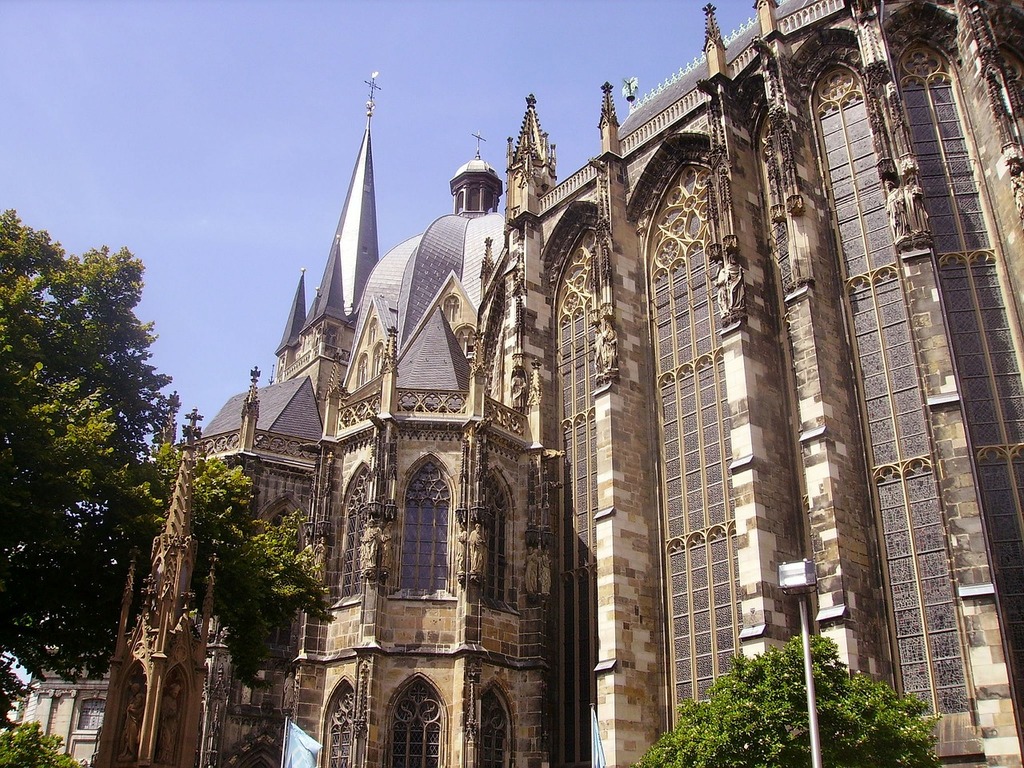
Charlemagne built this starting in 796 AD. He was crowned Holy Roman Emperor here in 800. He's buried here. For 600 years (936-1531), German kings were crowned in this cathedral. UNESCO World Heritage Site.
What's special: The octagonal Palatine Chapel is uniquely Byzantine-influenced. Charlemagne's throne is upstairs (guided tour only to see it). The cathedral is the birthplace of the Holy Roman Empire.
Visiting:
- Cathedral free to enter
- Guided tours €6 – Required to see throne, worth it
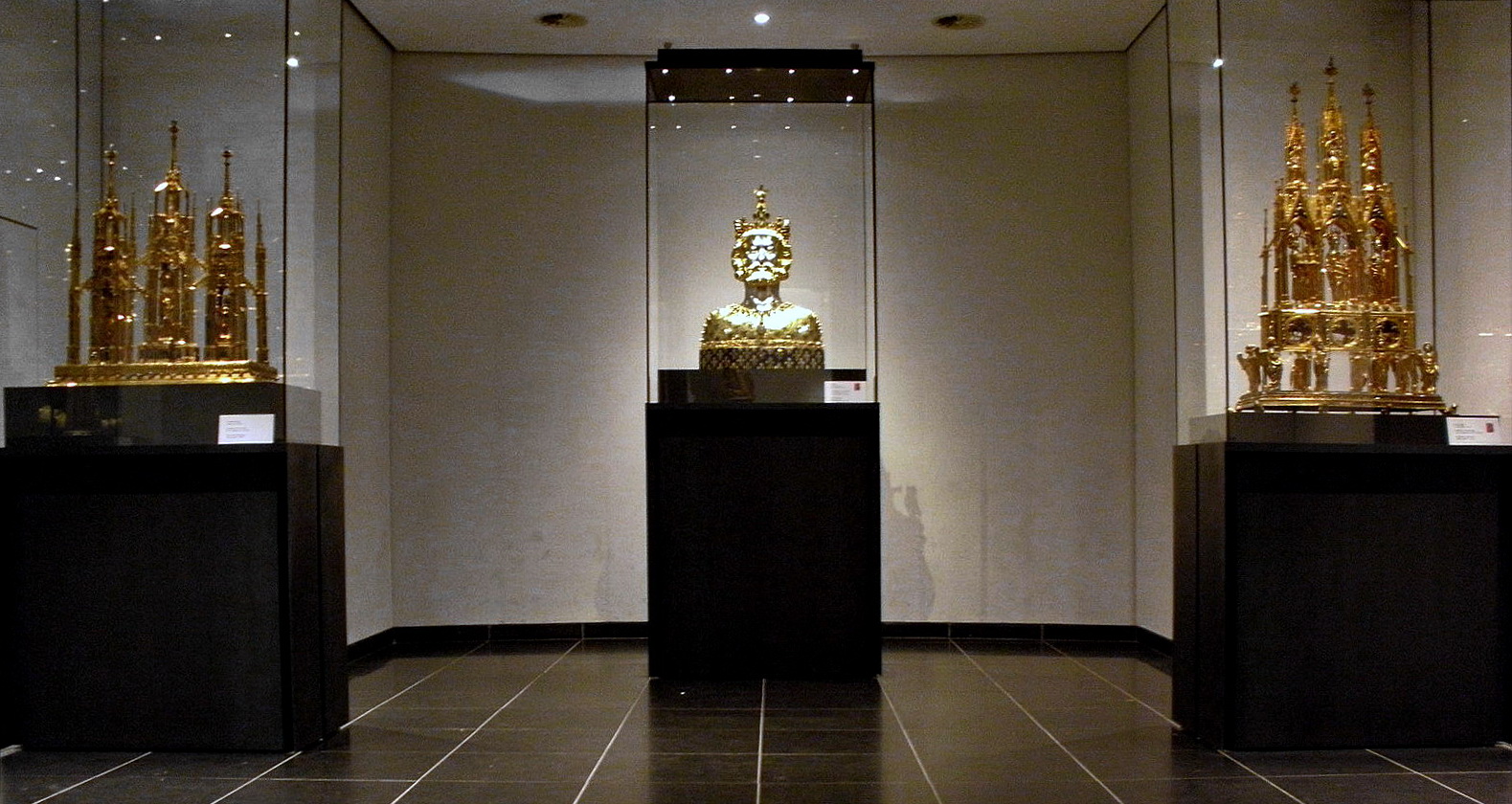
- Treasury Museum €6 – Medieval artifacts, impressive
Time: 1-2 hours including treasury
Town Hall (Rathaus)
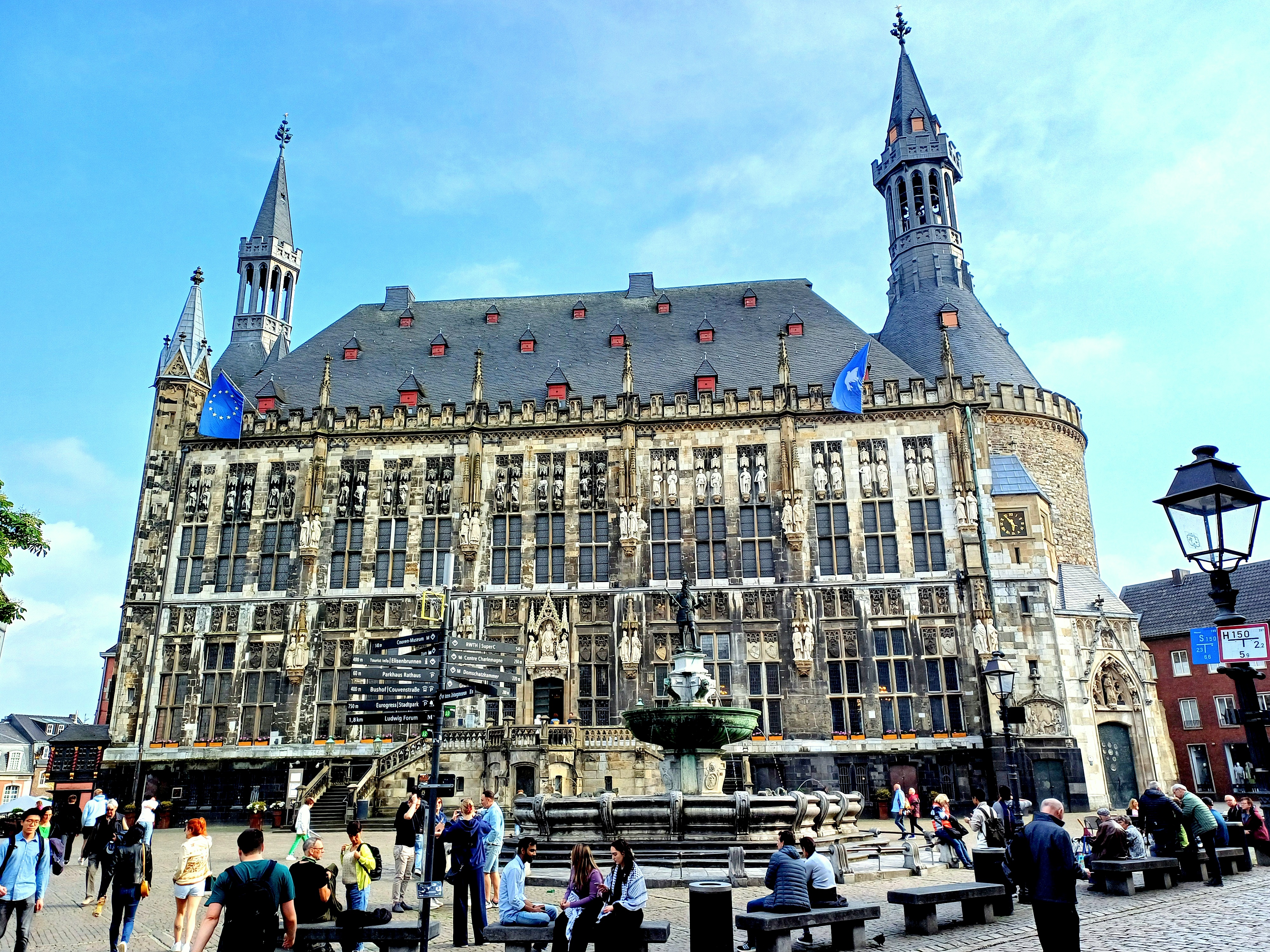
Built on foundations of Charlemagne's palace. Gothic architecture, Coronation Hall with frescoes.
Cost: €6 | Time: 30-45 minutes
Worth it: If you love medieval history, yes. Otherwise optional.
The Bottom Line on Aachen
Aachen isn't competing with Berlin or Munich. It's a small, historic, comfortable city that happens to sit where three countries meet and has thermal waters that have flowed for 2,000 years.
This is where you soak in Roman-era thermal baths, eat Printen cookies that have been made for 300+ years, walk to Belgium for lunch, drink coffee in a charming market square, experience one of Germany's best Christmas markets, and visit the cathedral where Charlemagne is buried and German kings were crowned.
My advice? Spend 2-3 days. Soak in Carolus Thermen (budget time and €20, you'll love it). Visit Three-Country Point for the novelty. Try fresh Printen from Leo van den Daele. Wander the old town. Have coffee at the Markt. If here in December, the Christmas market is unmissable. Walk to Belgium or bike to Netherlands just because you can. Let Aachen's cozy, international, historic charm work its magic.
This city won't overwhelm you like major capitals. It'll relax you, charm you, and remind you that sometimes the best travel experiences come from places that aren't trying too hard.
Quick Aachen Checklist
Must-Do:
- Carolus Thermen (thermal spa)
- Try fresh Printen cookies
- Three-Country Point (Dreiländereck)
- Coffee at Market Square
- Walk to Belgium or Netherlands
- Christmas Market (December only)
- Student cafés on Pontstrasse
If You Have Time:
- Aachen Cathedral + guided tour
- Town Hall (Rathaus)
- Leo van den Daele café (Printen + photos)
- Bike to Netherlands
- Explore student neighborhoods
Don't Miss:
- Thermal spa – Uniquely Aachen, therapeutic, relaxing
- Christmas Market – If visiting December
Ready for Aachen? Bring swimsuit for thermal baths, comfortable shoes for border-crossing, and appetite for Printen. This city will relax and charm you. Bis bald! 🇩🇪